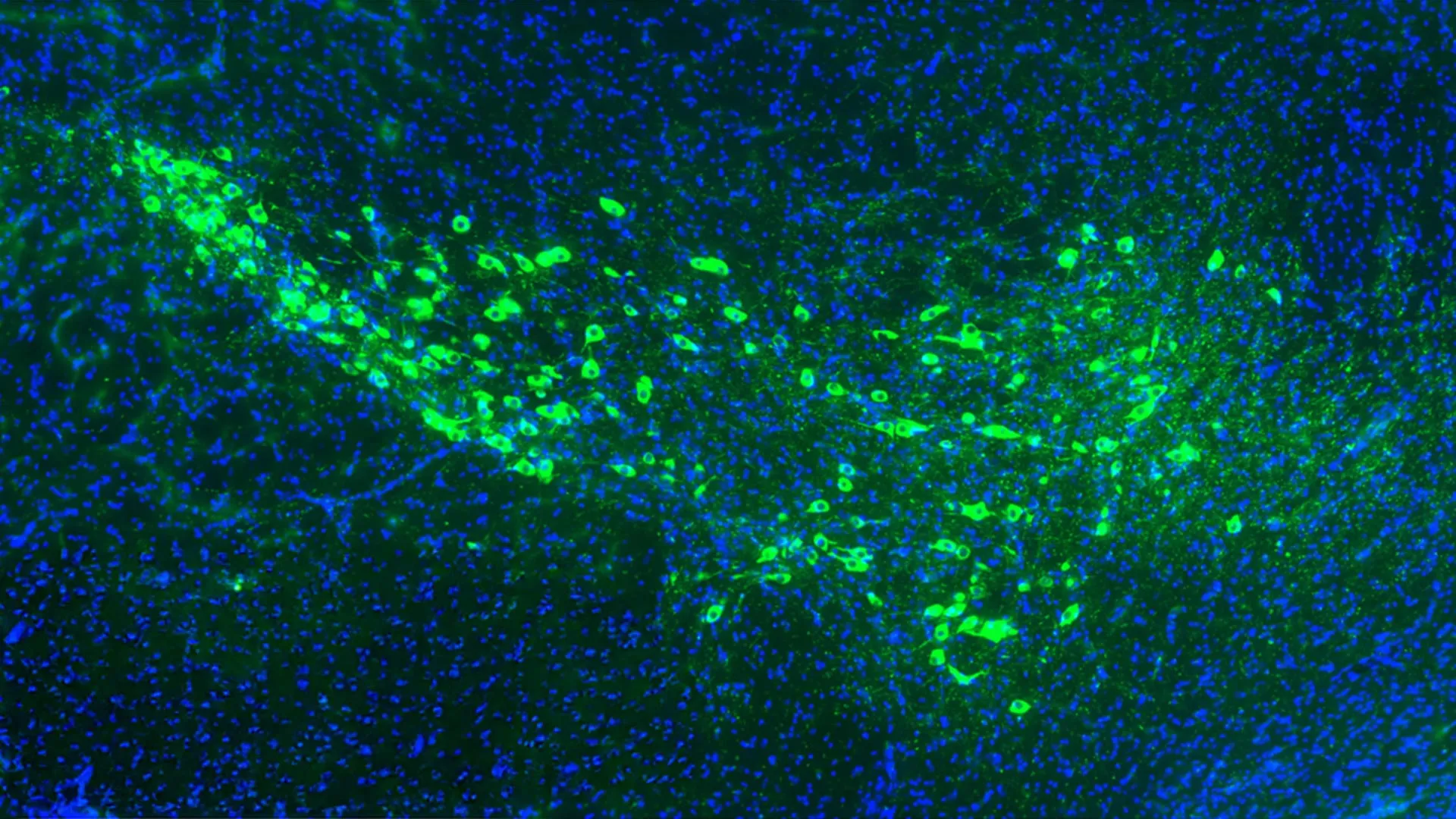
Researchers at the Perelman School of Medicine at the University of Pennsylvania have identified a brain immune protein that may play a major role in the progression of Parkinson's disease (PD). Their findings, published in Neuron, suggest that blocking this protein with monoclonal antibodies could eventually lead to treatments that slow the disease in its earliest stages.
The protein, known as glycoprotein nonmetastatic melanoma B (GPNMB), appears to help harmful Parkinson's-related damage spread from one brain cell to another. Scientists say targeting it may offer a new strategy for slowing the worsening of the disease over time.
"Many patients with Parkinson's disease are diagnosed in the early stages, when symptoms are relatively mild, but there is currently no treatment that slows the progression," said lead author, Alice Chen-Plotkin, MD, Parker Family Professor of Neurology. "These early results are a promising step towards developing this type of treatment."
How Parkinson's Disease Spreads in the Brain
Parkinson's disease affects more than one million Americans, and approximately 90,000 people in the United States are diagnosed each year. Although researchers still do not fully understand what causes the disease, scientists have known for years that it gradually spreads through the brain in stages.