Parkinson's disease may spread through the brain with the help of two proteins found on the surface of motor neurons, according to new research from Yale School of Medicine (YSM). The discovery could open the door to treatments designed to slow or even stop the disease instead of only managing its symptoms.
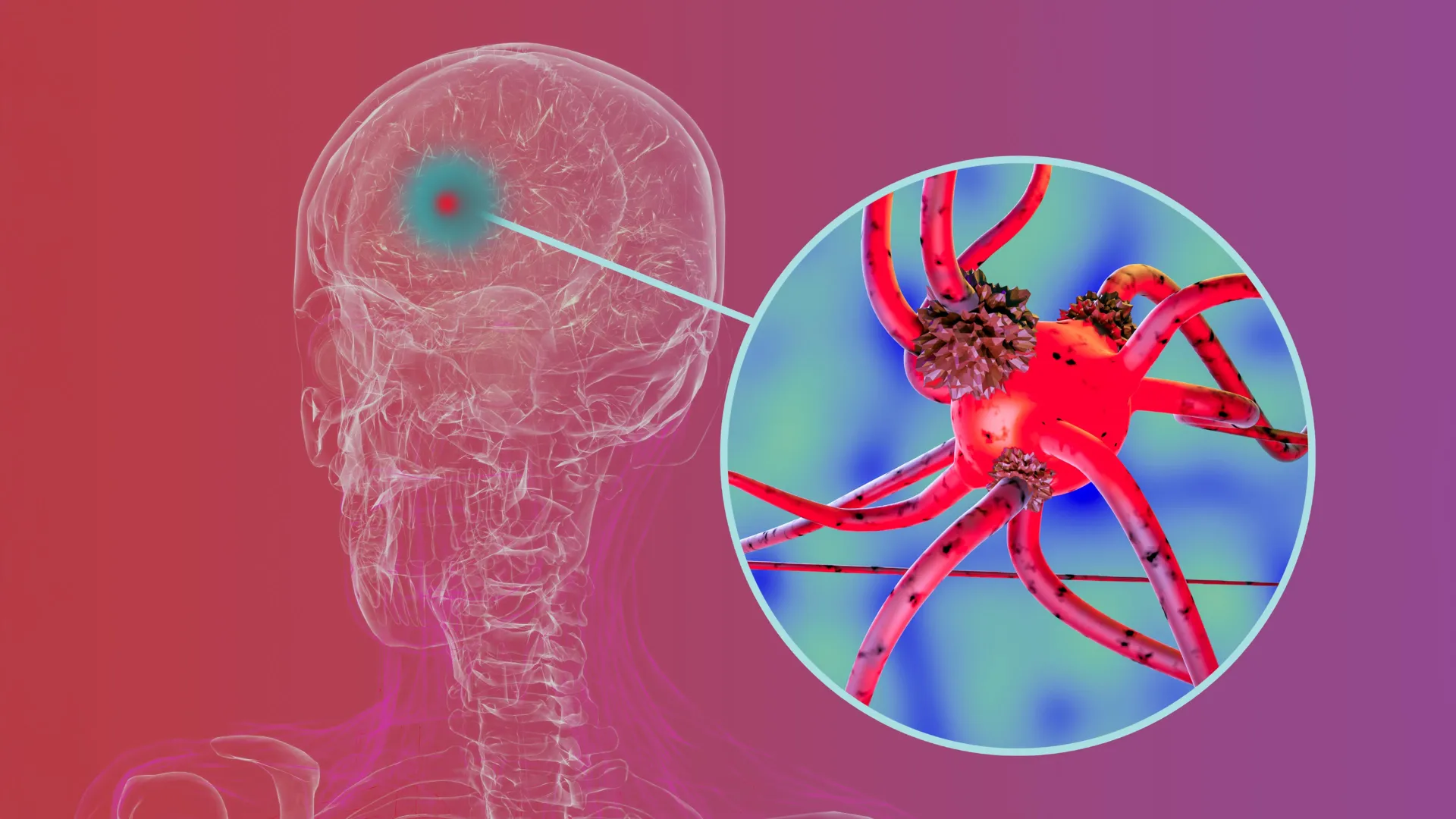
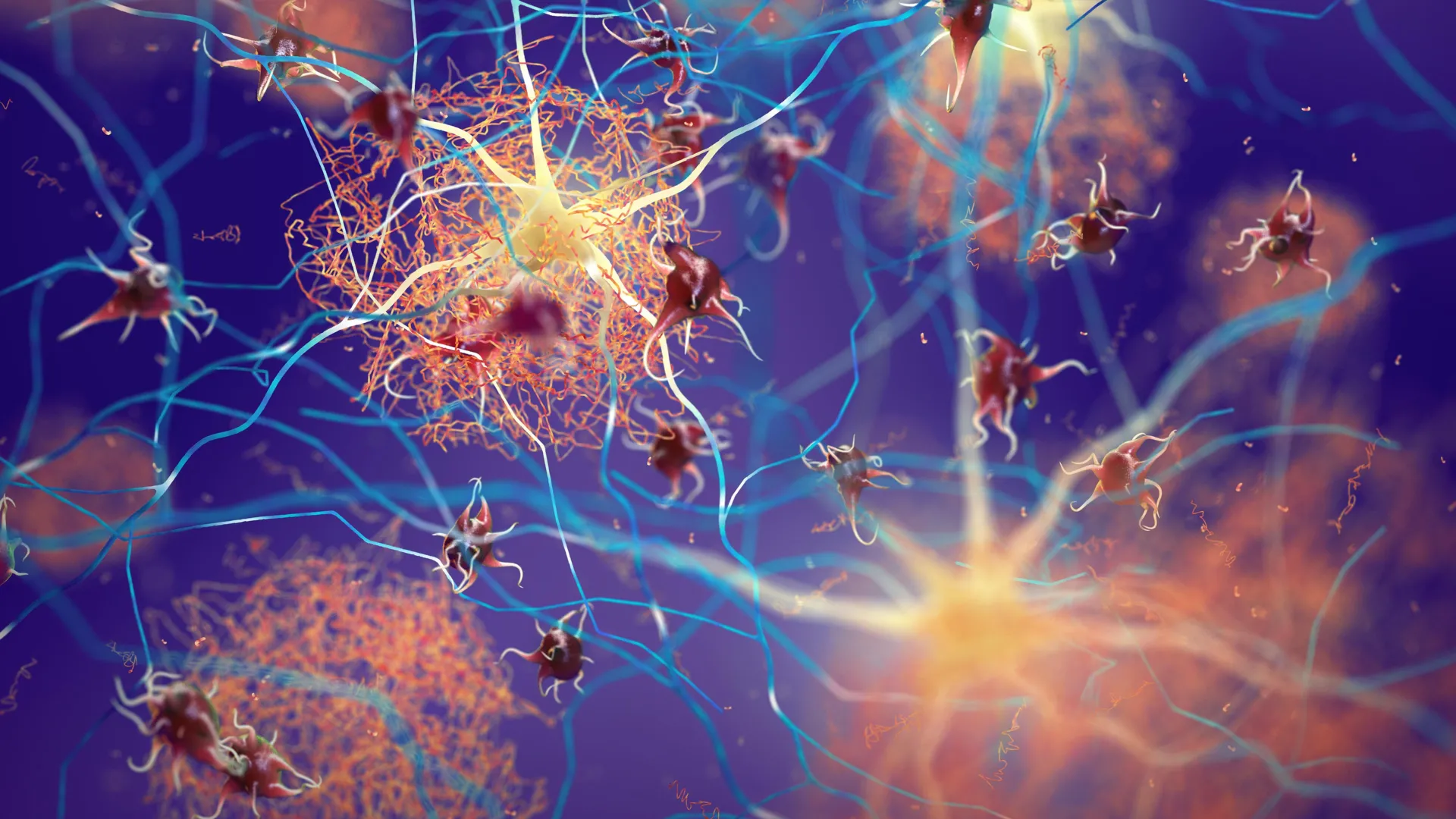
Parkinson's disease is a progressive neurological disorder in which brain cells gradually become damaged and die. A key feature of the disease is the buildup of a misfolded protein called α-synuclein. As this toxic protein moves from one neuron to another, it contributes to the worsening of symptoms over time.
Until now, scientists have not fully understood how α-synuclein enters healthy neurons after escaping from dying ones. A new study published in Nature Communications points to two membrane proteins, mGluR4 and NPDC1, as critical transporters that help carry the misfolded protein into healthy brain cells.
A New Clue to Parkinson's Disease Progression
Senior author Stephen Strittmatter, MD, PhD, Vincent Coates Professor of Neurology and chair of the Department of Neuroscience at YSM, says the findings could lead to more effective ways to combat Parkinson's disease.