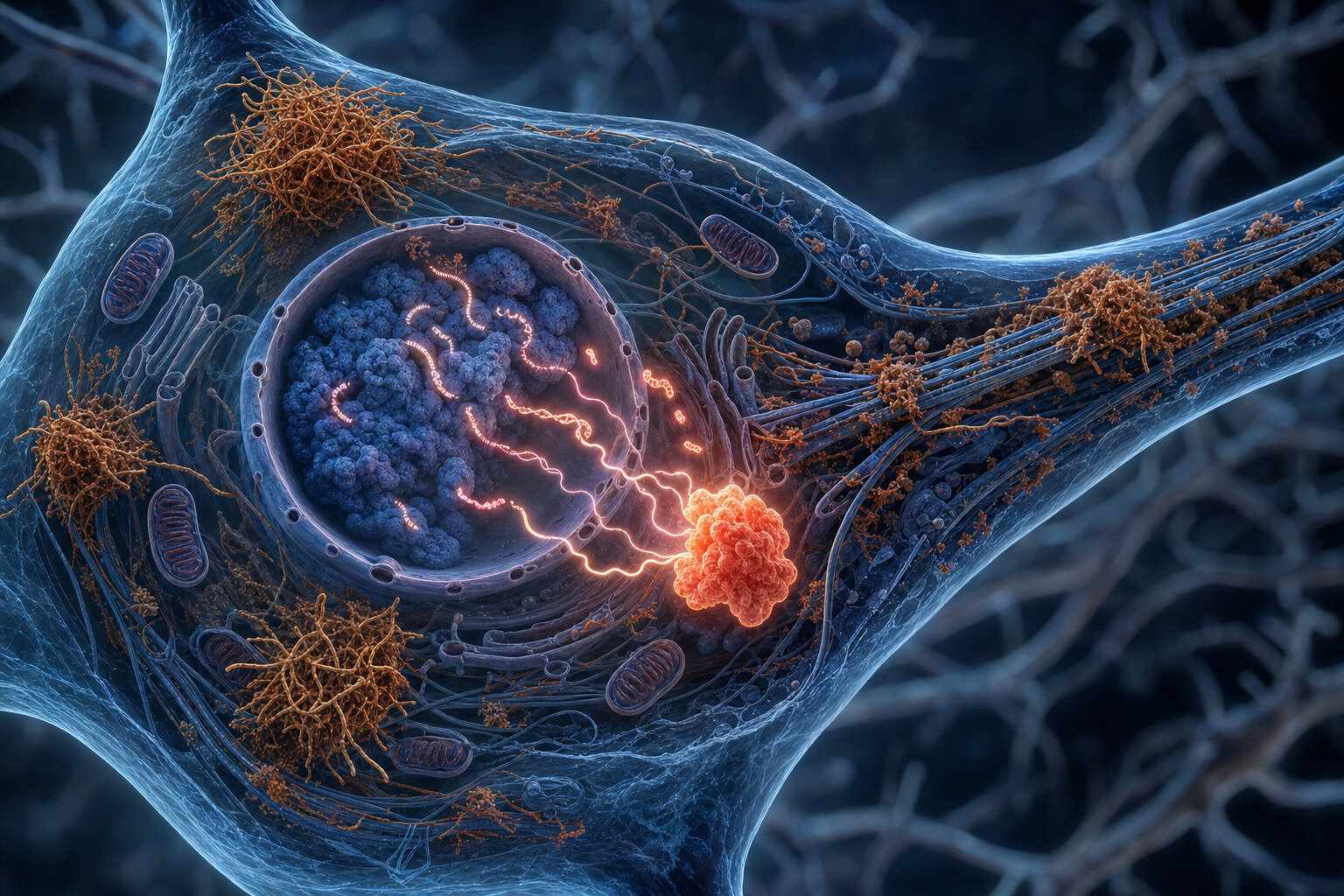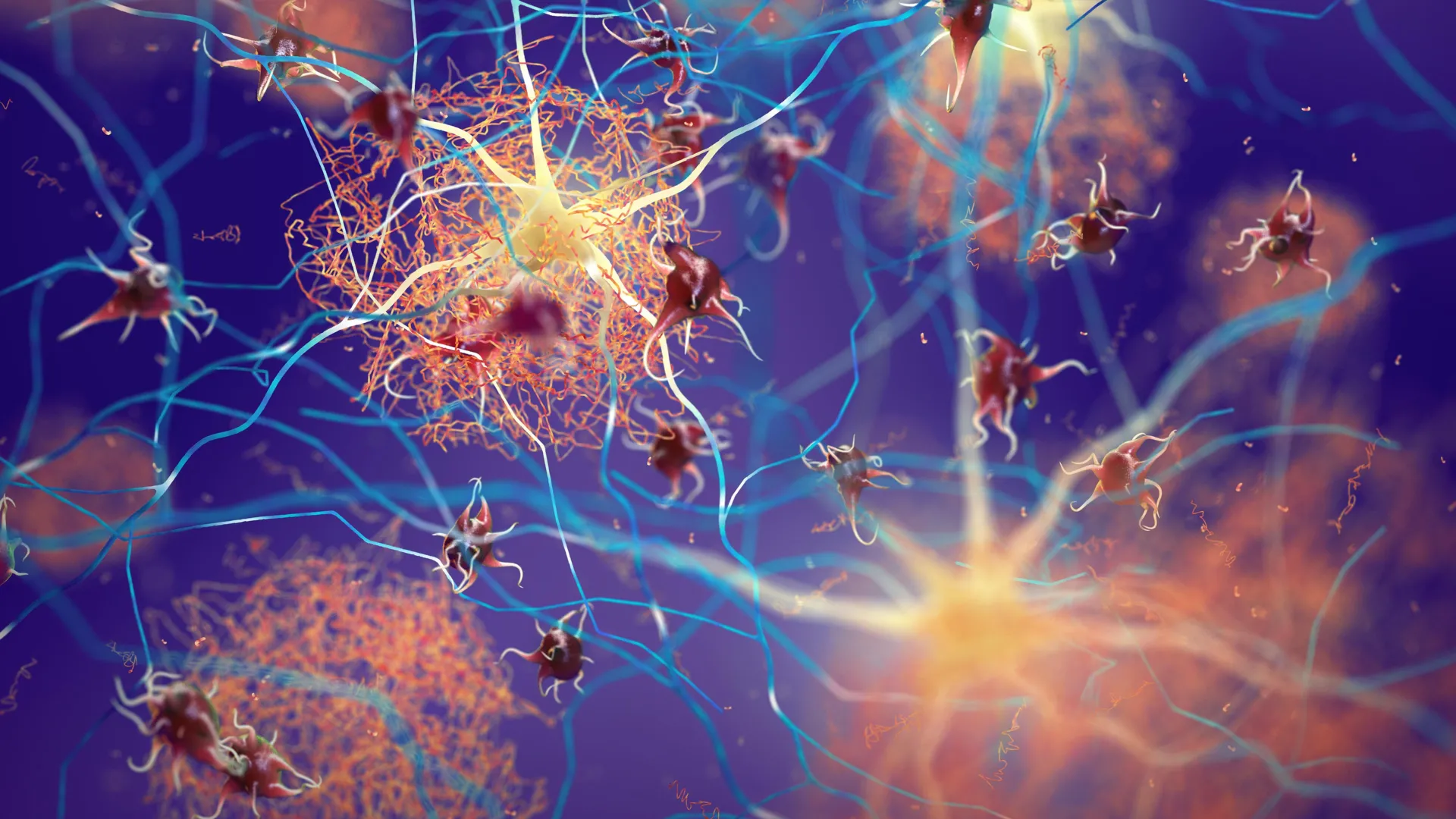
Scientists at Baylor College of Medicine have identified a potential new approach for tackling Alzheimer's and Parkinson's diseases. Both conditions are associated with the buildup of harmful clumps formed by the proteins Tau and alpha synuclein in the brain.
In a study published in Nature Communications, the researchers found that tubulin, a protein that serves as the building block of microtubules, may help prevent these toxic accumulations. Microtubules act as the cell's internal 'railway tracks,' helping transport materials and maintain structure. According to the findings, tubulin can keep Tau and alpha synuclein from forming damaging aggregates and instead encourage them to perform their normal functions inside healthy neurons.
Toxic Protein Clumps and Brain Disease
"Tau and alpha synuclein are well known for their roles in neurodegenerative diseases like Alzheimer's and Parkinson's. In these conditions, these proteins can misfold, stick together and form harmful aggregates that damage neurons and contribute to memory loss, movement problems and other symptoms," said first author Dr. Lathan Lucas, postdoctoral associate of biochemistry and molecular pharmacology in Dr. Allan Ferreon's lab.