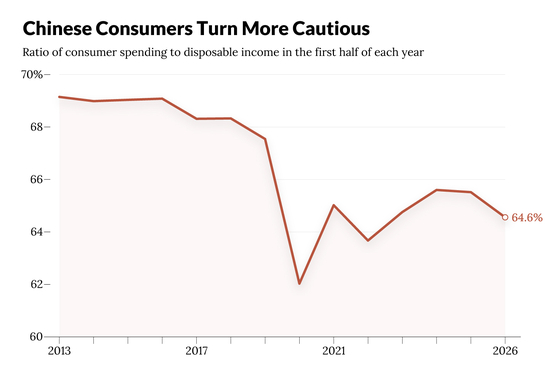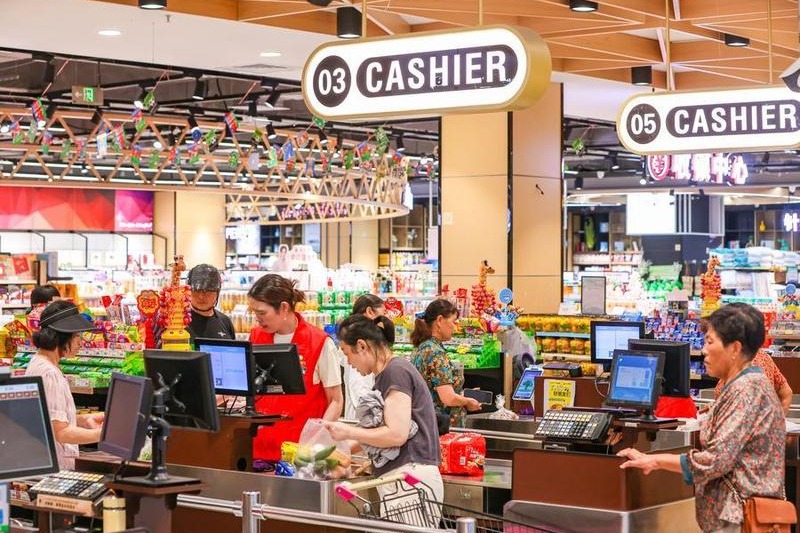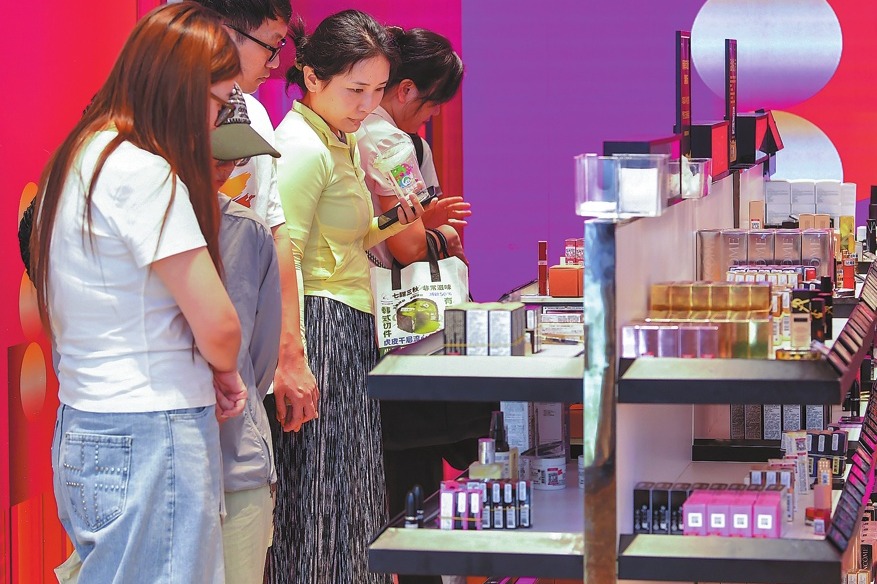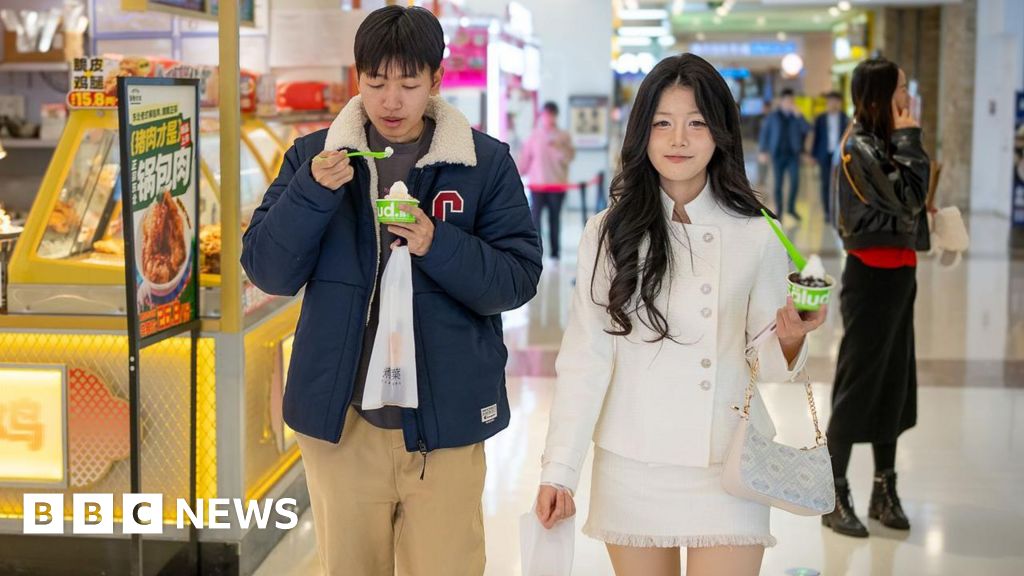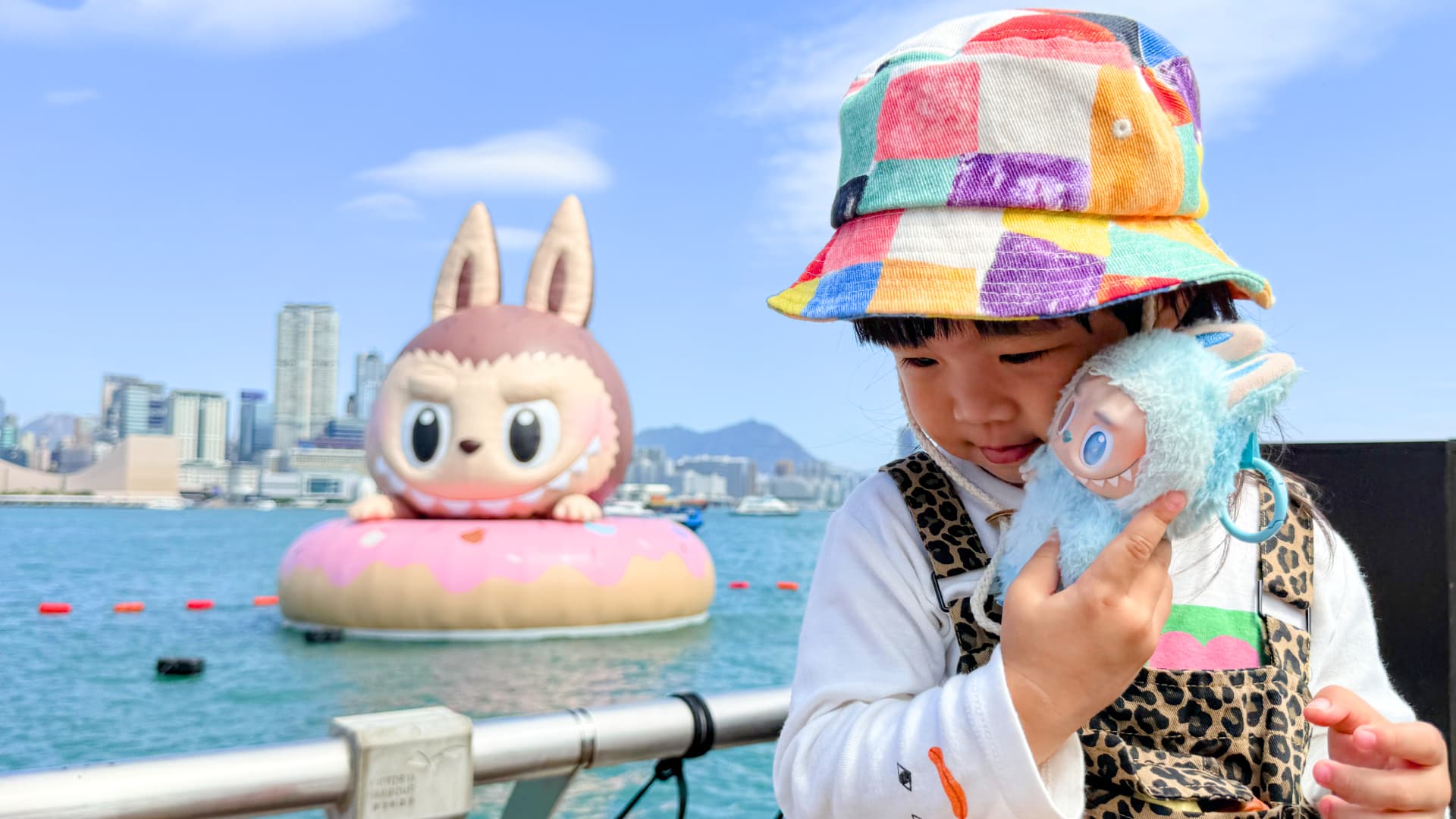
Young people in China are increasingly investing in feel-good experiences and products, reflecting a broader trend of seeking “emotional value” amid growing anxieties about the future. This shift towards emotional consumption includes services like companion hiking and cosplaying, as young consumers prioritize emotional satisfaction over practical utility. The trend coincides with a decline in consumer confidence, which fell to 89 points in April 2026, down from 90 in March, despite a reported GDP growth of 5% in the first quarter of 2026.
This consumer behavior may be indicative of broader economic challenges. The market for feel-good products is projected to exceed 4.5 trillion yuan ($662 billion) by 2029, with 60% of young consumers willing to pay a premium for emotional satisfaction. Key factors contributing to this shift include urban stress, loneliness, and the increasing cost of traditional milestones such as housing and marriage. As a result, there is a potential impact on China’s economic growth and consumer spending patterns, which could influence GDP projections.
Markets have taken note of these developments, reflecting a sentiment that China’s economic growth may not meet previous high expectations. Currently, the pricing for China’s 2026 GDP growth suggests a likelihood of it being between 4.0% and 5.0%, with a significant 80% probability. This is lower than some earlier projections that anticipated growth rates above 5%.