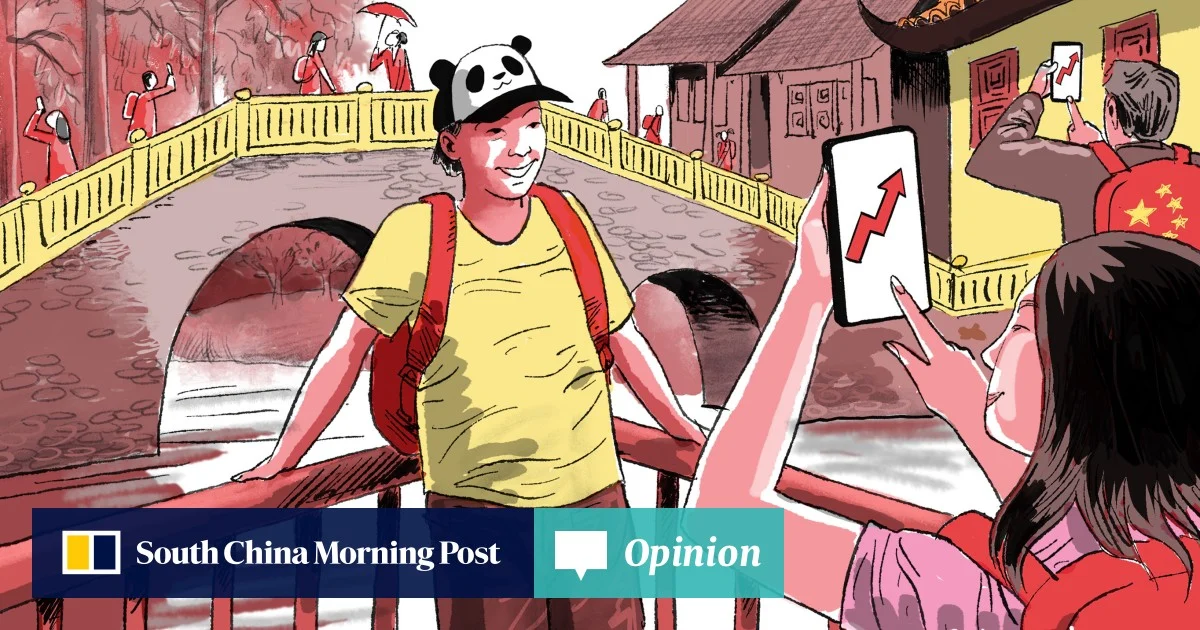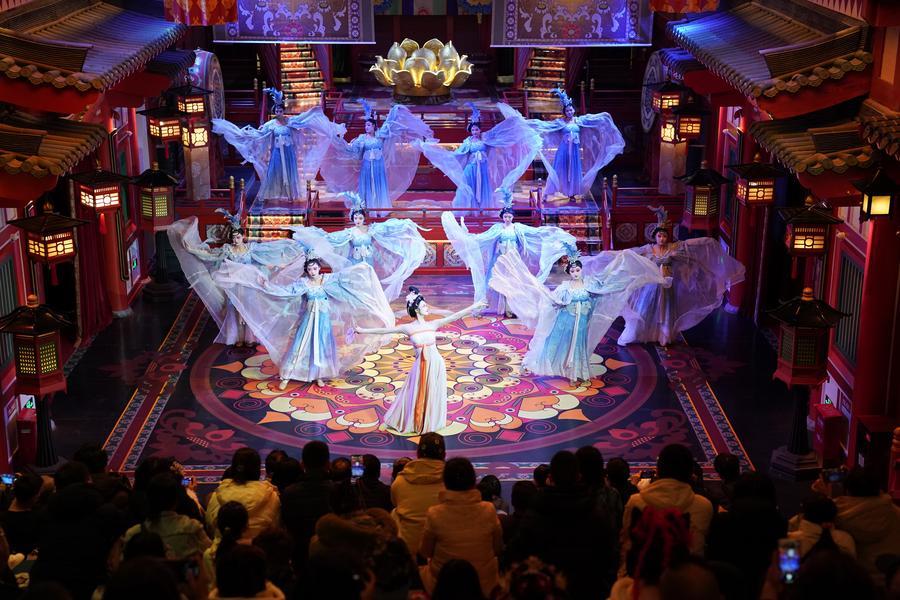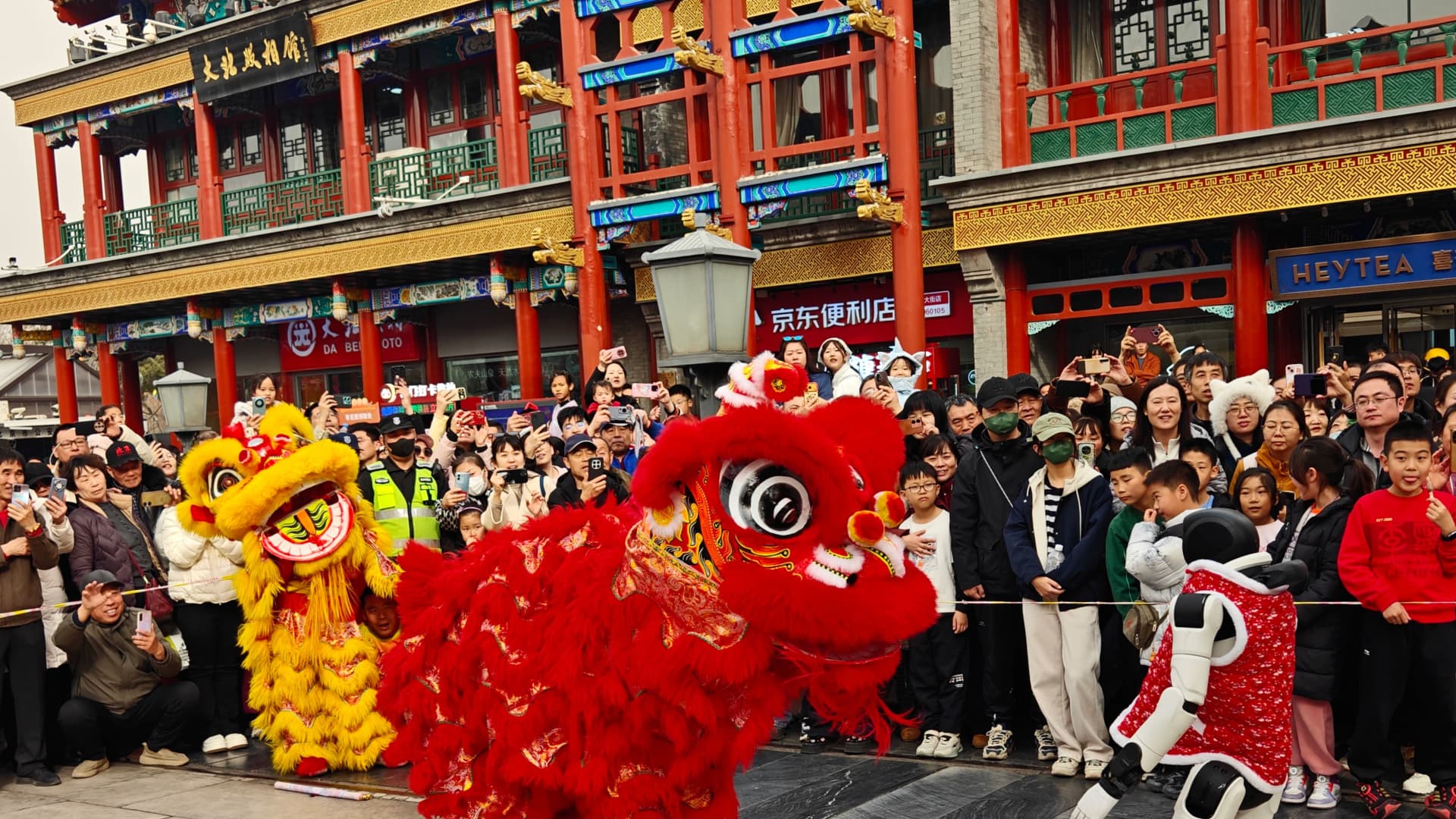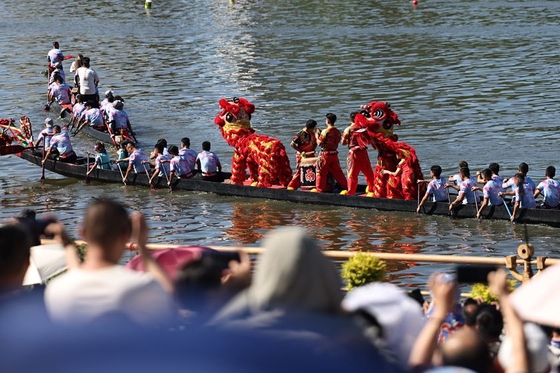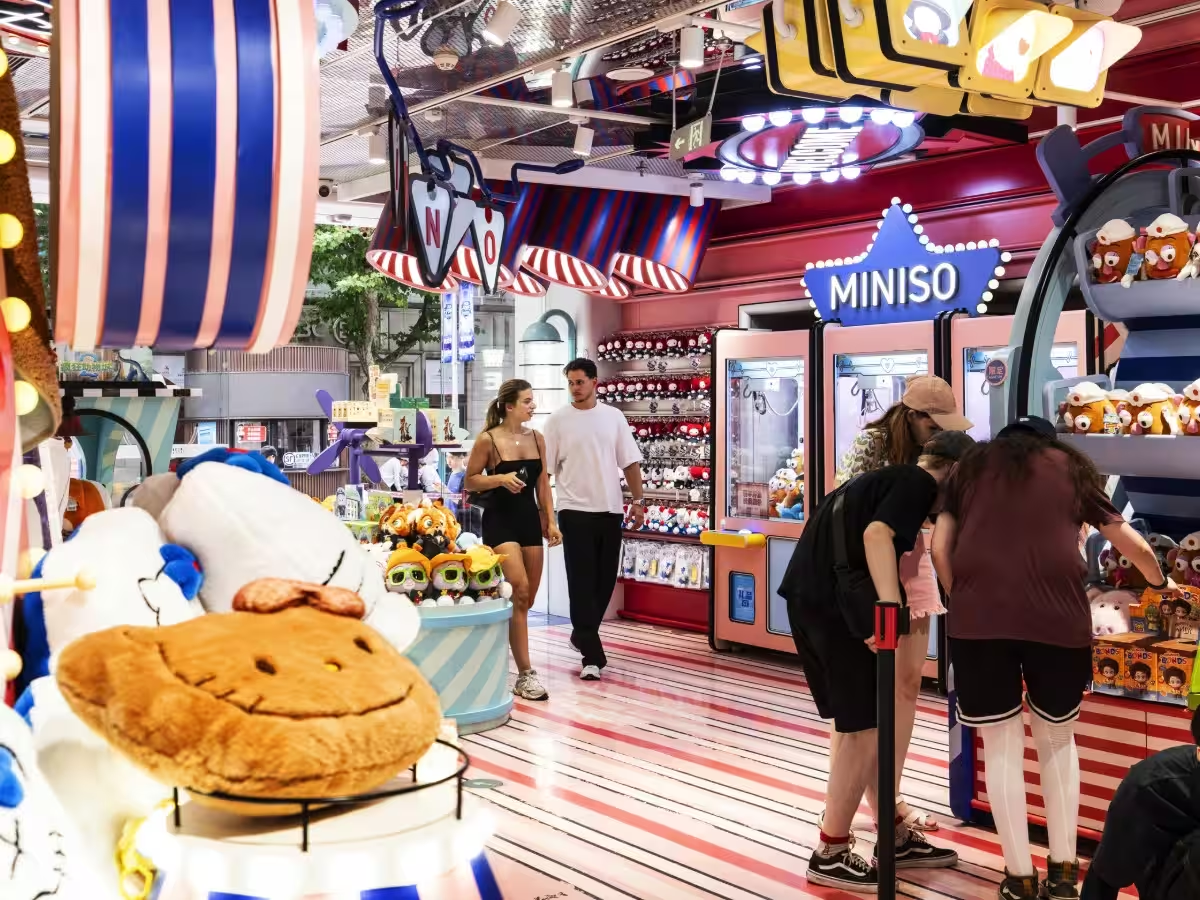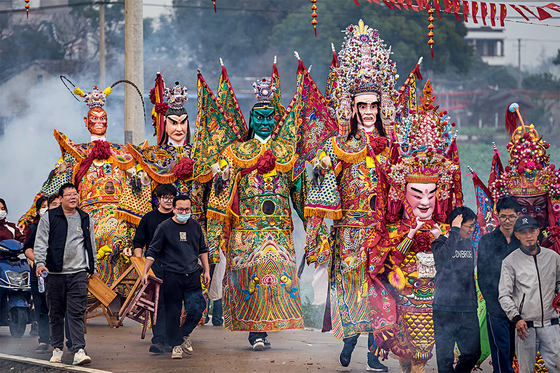
1. There has been a major shift in the preferences of Chinese travelers, who now seek immersive experiences rather than merely sightseeing. This trend was clearly demonstrated during the Lunar New Year holiday, where interest in “intangible cultural heritage” and “folk customs” soared, with keyword searches up 34% and 30% respectively on Meituan. The holiday set domestic travel records with 596 million trips and 803.5 billion yuan ($116 billion) spent on tourism. Cities with folk attractions, such as the fish lantern parade in Huangshan and Yingge folk dances in Shantou and Chaozhou, saw tourist bookings rise by 32%, 36%, and 31% year-on-year, respectively. Other experience-focused destinations, like Jingdezhen and Quanzhou, also recorded significant booking increases thanks to unique hands-on cultural experiences [para. 1][para. 2][para. 3][para. 4].2. This strong demand for tourism experiences is being fueled by favorable government policies, social media’s viral power, and evolving consumer tastes. Huang Yunxuan from Jones Lang LaSalle points out that China’s policymakers are increasingly supporting the “experience economy” as a way to boost domestic consumption. Minister of Culture and Tourism Sun Yeli emphasized that modern tourists are willing to deeply engage with local culture, whether that means attending shows, joining the hype over trending toys, or traveling to visit viral cities. Immersive and emotionally engaging tourism offerings are expected to be the most successful. Premier Li Qiang also identified cultural tourism as a key sector to stimulate spending and enhance service consumption [para. 5][para. 6][para. 7][para. 8].3. However, this boom brings challenges, such as managing fluctuating demand between peak and off-peak seasons and curbing the rise of copycat attractions. Policymakers and local stakeholders are working to transform cultural and sports events into valuable tourism products, despite operational difficulties and competition. Local governments and businesses are in a race to monetize culture, with issues arising over economic sustainability and differentiation [para. 9][para. 10].4. Striking, interactive cultural events like fireworks and lantern parades have become major draws: Liuyang’s fireworks boosted hotel bookings by 130%, and folk parades in Pingyao lifted occupancy by 47%. In Shantou, the Yingge dance sparked an 80% jump in hotel bookings. New immersive packages allow visitors to directly participate in these traditions, such as makeup, photography, and guided performances. Huangshan also shifted from scenery-based to experience-based tourism, seeing a 27.2% increase in winter visitors. Foreign tourists echo this trend, looking for authentic Chinese cultural experiences, including brocade weaving and traditional medicine [para. 11][para. 12][para. 13][para. 14][para. 15].5. For destinations, operational excellence is vital. Zhou Haitao, CEO of Wenlv, explains that cultural heritage must be transformed into marketable products through strong design and management. The Kaifeng theme park, for example, updates its Song Dynasty martial arts performances regularly and has leveraged viral livestreaming events to attract a record 24.5 million visitors in 2025, a 146.9% increase from the previous year, generating 1.3 billion yuan in revenue—seven times its 2023 turnover—and revitalizing broader regional tourism [para. 16][para. 17][para. 18].6. Grassroots sports have also contributed to tourism growth. Jiangsu’s Football City League (Suchao) propelled the province’s non-local tourism spending to 660 billion yuan in 2025, the highest nationwide. Inspired by Suchao’s success—rooted in local identity and economic strength—other regions are launching similar leagues, but experts caution that copying formats without leveraging unique local culture often fails [para. 19][para. 20][para. 21].7. Destinations are also struggling with the consequences of surging experiential tourism, particularly intense price fluctuations between peak and off-peak seasons. In Shantou, hotel prices can spike from 300–500 yuan to almost 2,000 yuan during holidays, highlighting a shortage of affordable accommodation. Experts stress the need for product diversification and continuous year-round attractions, warning that mere replication leads to market homogenization and limited national appeal. Only 10% of cities manage to attract a nationwide audience, typically those with universally resonant food or culture. Sustainable success, experts agree, comes from creating truly distinctive and emotionally engaging visitor experiences rooted in local tradition, supported by modern operations [para. 22][para. 23][para. 24][para. 25][para. 26][para. 27][para. 28].AI generated, for reference only
In Depth: China Looks to ‘Experience Economy’ for a Consumption Lift
Record-breaking Lunar New Year data reveal a structural pivot as travelers prioritize local traditions and immersive attractions over traditional sightseeing, sparking hopes for a new engine for domestic consumption
661 words~3 min read