28-year-old Rebecca Zhou, born in China’s Sichuan province, owns an assortment of Moomin merchandise — bags, mugs, and figurines featuring the white hippo-looking cartoon character from Finland — that she has accumulated over the years.
By her own admission, many of these purchases may seem “childish”, but “it is [just] nice to treat yourself to something fun, even if it is not the most value-for-money,” Zhou said.
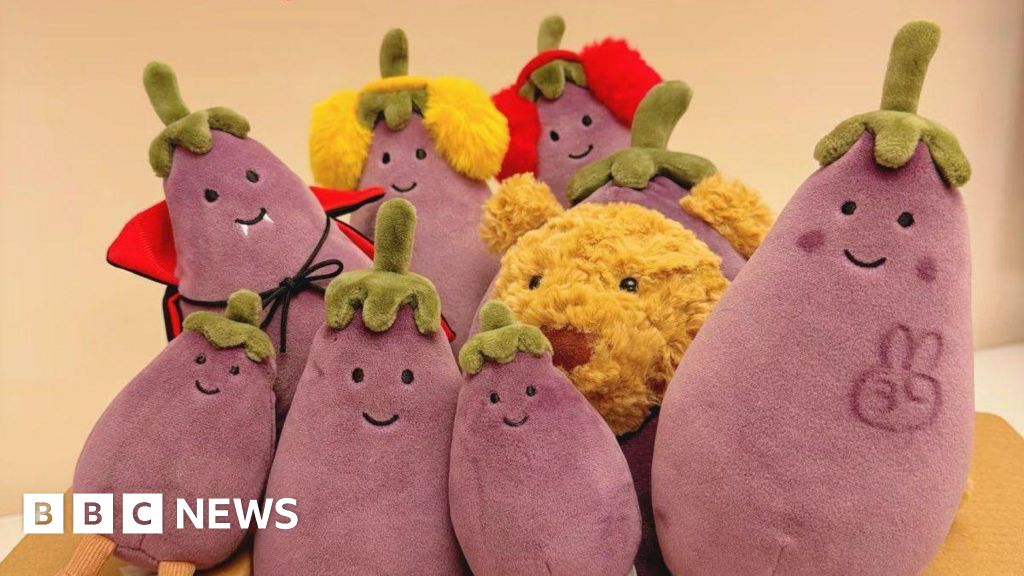
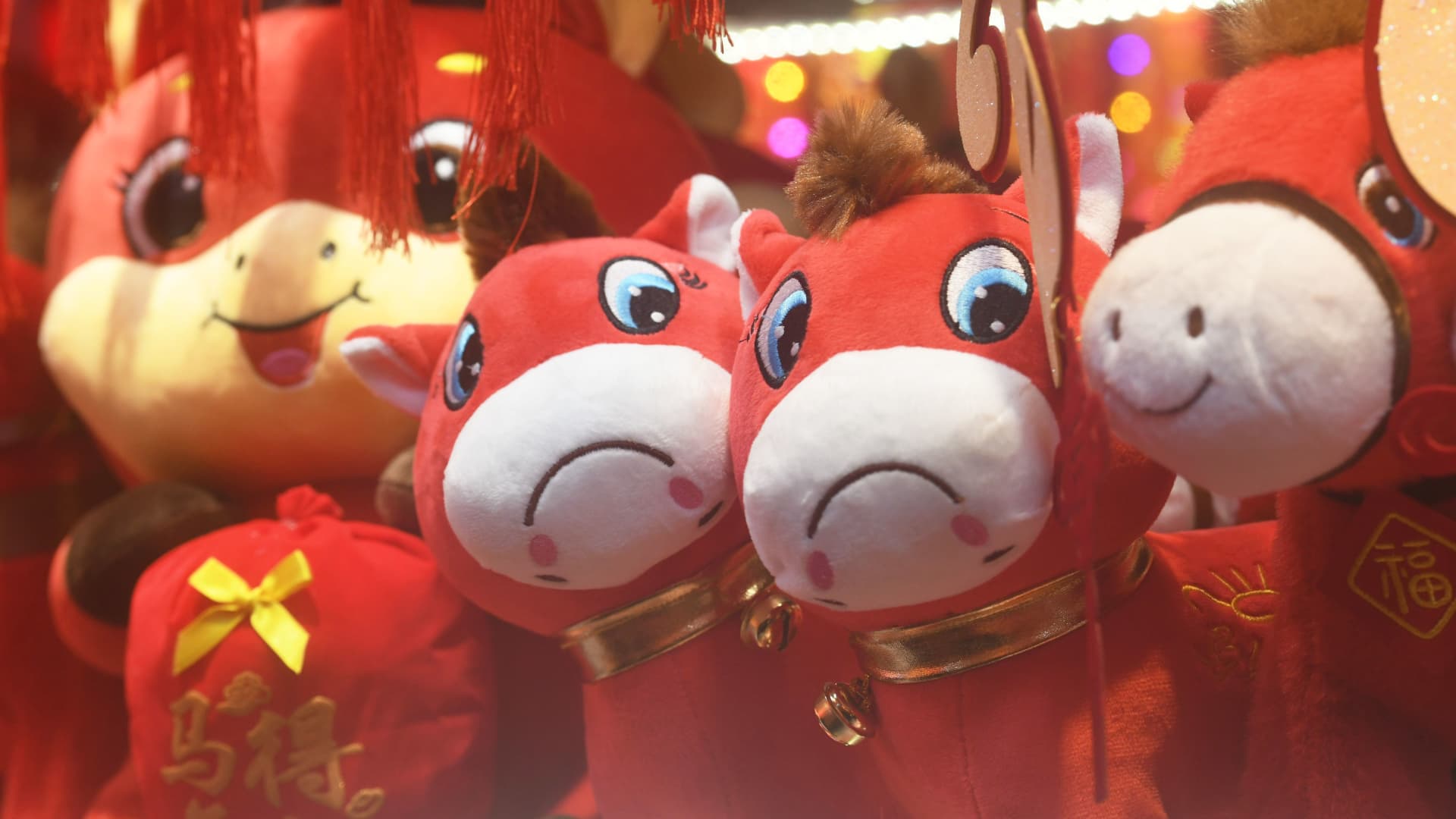
Zhou is not alone. Data from analysts and official sources show that Chinese consumers are increasingly spending on goods and experiences chosen for their emotional resonance over practical value — everything from theme parks to jewelry.
But what may once have been a fairly unsurprising consumer impulse is now being taken seriously by China’s business leaders and policymakers.
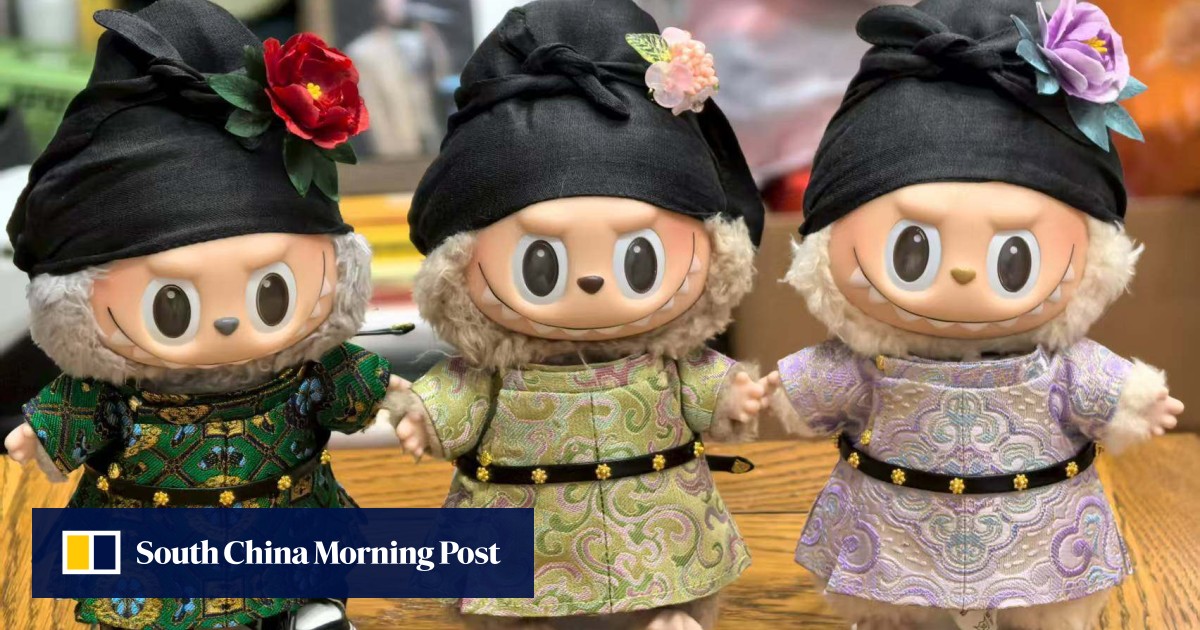
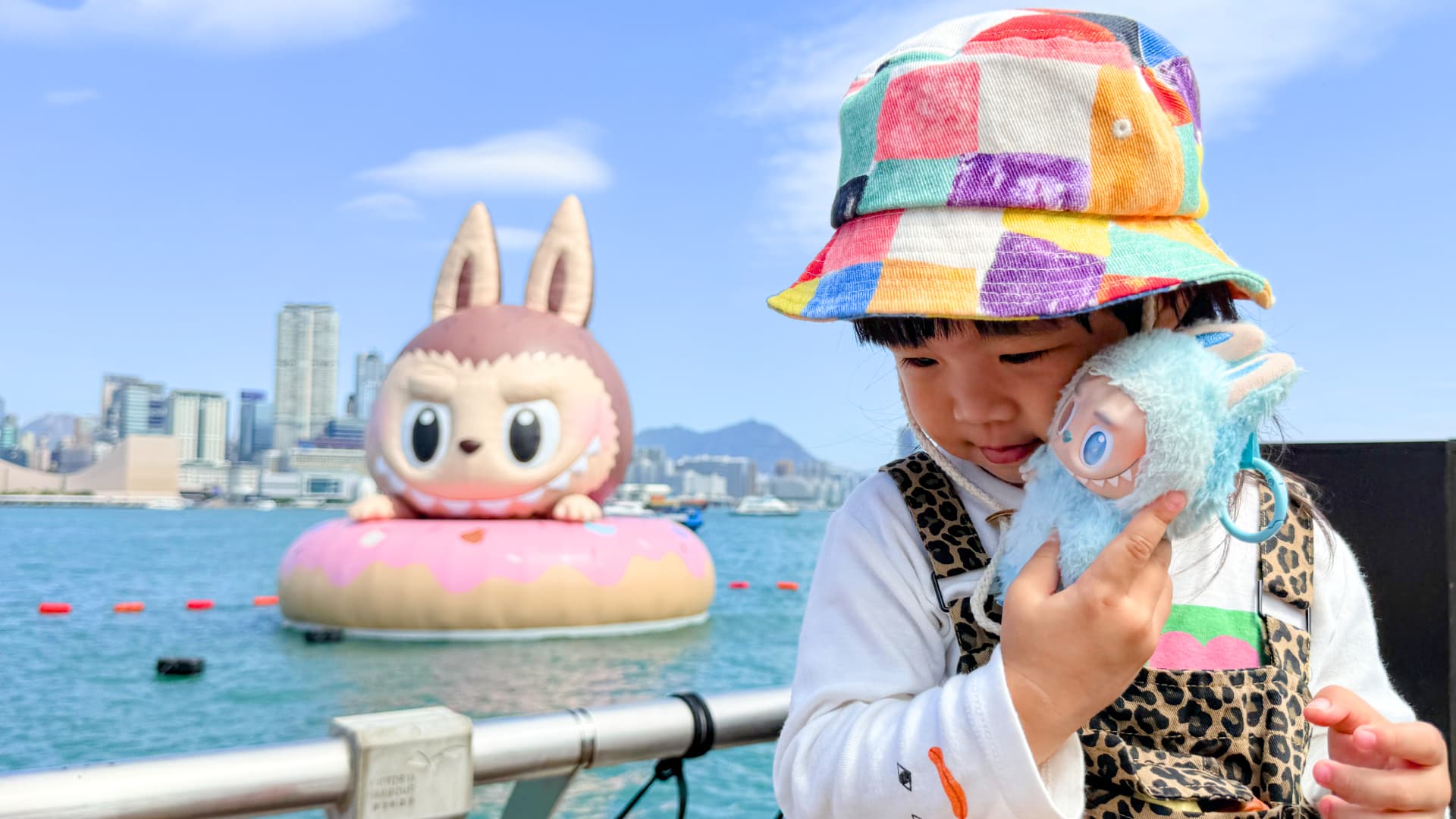
China’s “emotional economy” first entered into public discourse in 2024, after a craze over Pop Mart