T
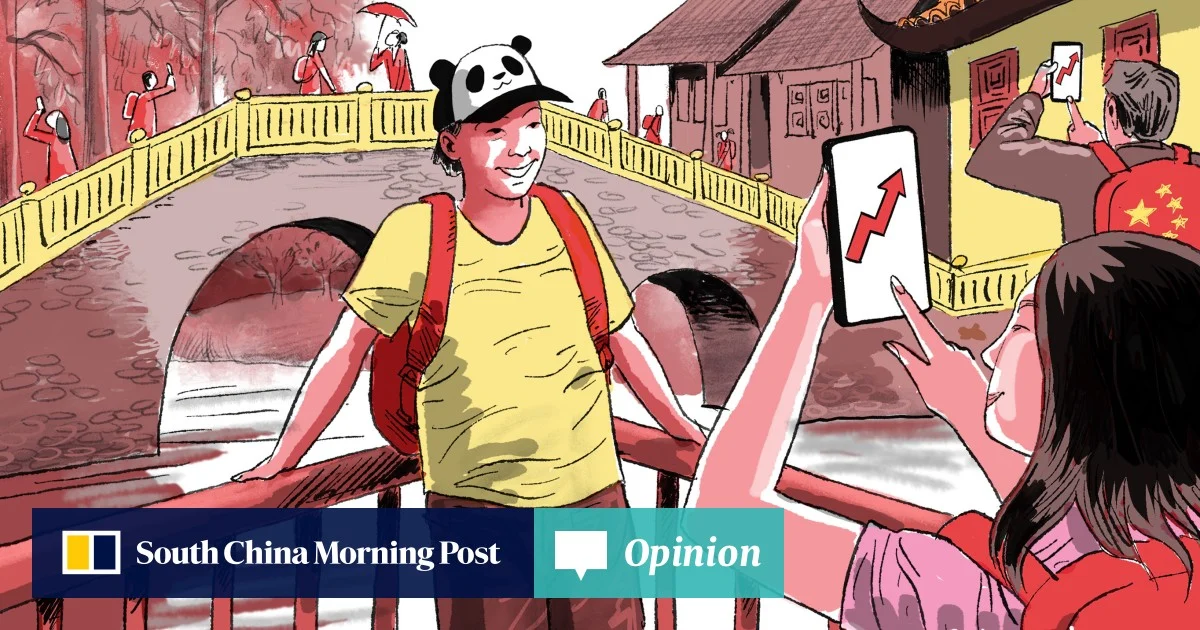
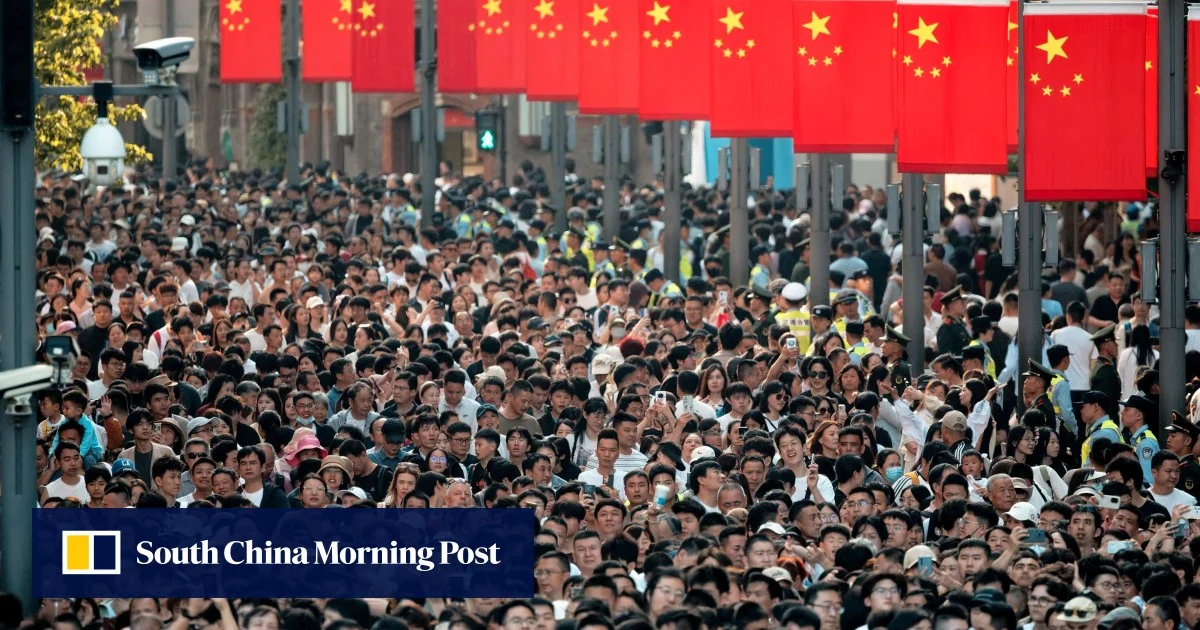
he Chinese National Day holiday period around October 1 is approaching. These holidays are one of only two major week-long breaks in China, alongside the Lunar New Year. Everyone is getting ready. Those who can afford it will travel to Japan – which has become more accessible to Chinese travelers thanks to a weak yen – or to Southeast Asia. Meanwhile, more modest workers will simply return to their home provinces to visit family for a few days. But for many young urbanites and families, a new destination has gained popularity: nature and the great outdoors.
Some will lace up hiking boots to explore sacred mountains or the Tibetan Plateau. Others will pitch tents, often at sites that are already fully equipped. Later, they will go skiing on Mount Changbai, near the North Korean border, or hit the slopes in Xinjiang. What unites them is a desire to get outdoors and seek wide-open spaces, which has become particularly clear after the pandemic years and the harsh lockdowns endured in densely populated cities like Shanghai.
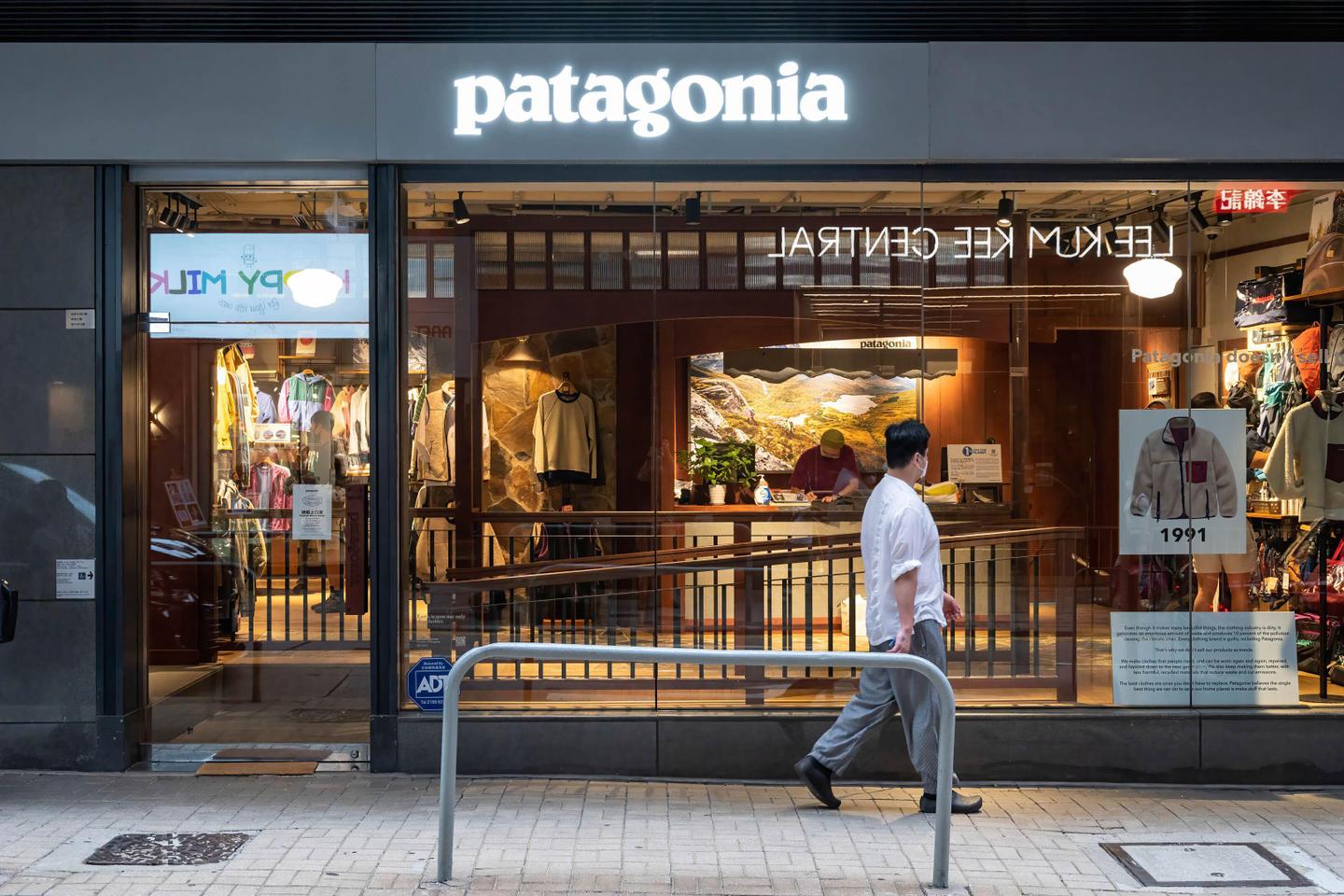
This recent trend has not been lost on either the government or businesses; both have pinned considerable hopes on it. Beijing hopes that the booming outdoor economy will help stimulate sluggish consumer spending, since the consumer price index – which fell by 0.4% year-on-year in August – showed that China's economy has struggled to emerge from deflation.