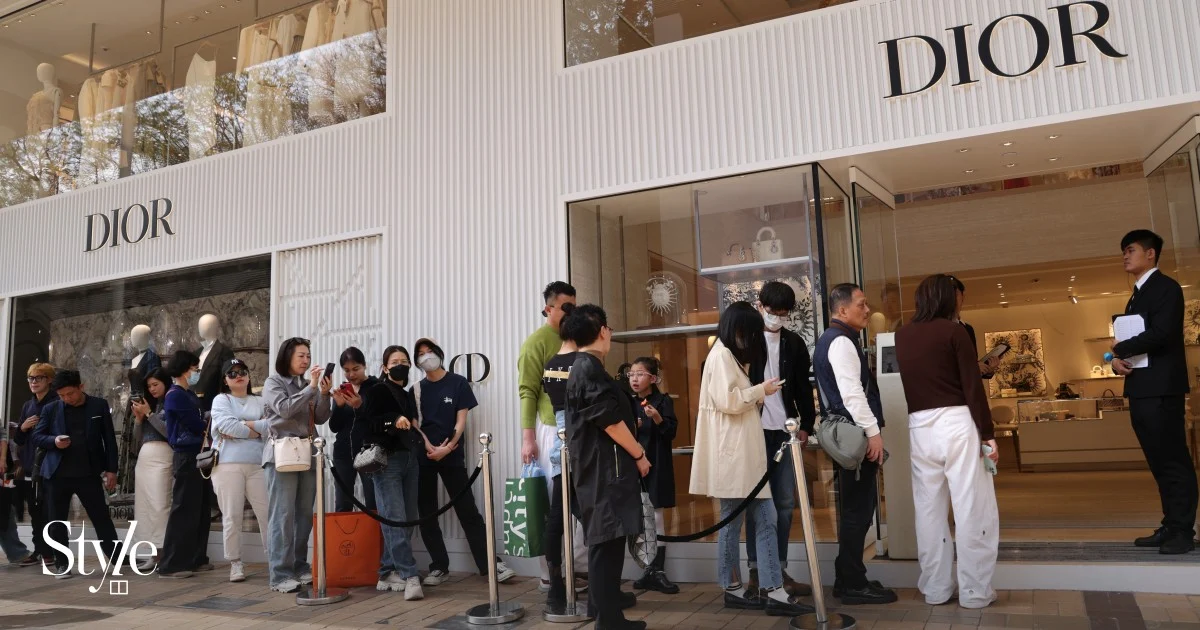
Zirui Yang has been obsessed with shopping since junior high. “Clothes, shoes and accessories — and they always had to be branded,” the 22-year-old said student. “It started with Nike and Adidas, then moved on to Gucci and Balenciaga.”
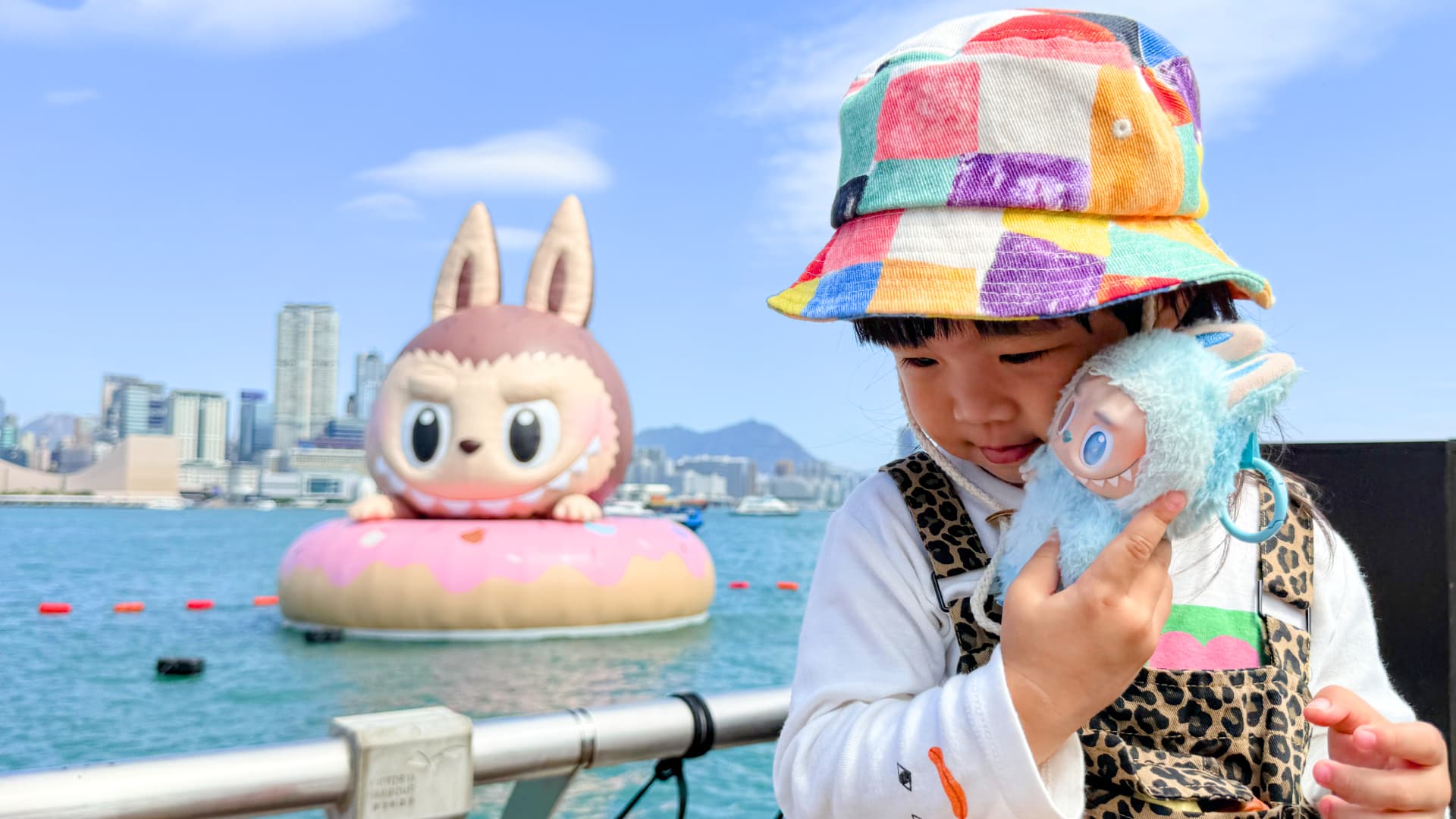
But since starting college in 2022, his retail therapy has been less about big brands and more about purchases with “emotional value, like small accessories, plush toys, fragrances and travel,” said Yang, who lives in Nanjing, eastern China. “I like ritual, novelty and things that have a unique identity.”
So much for the logo-mania that, for years, defined China’s Gen Z and millennial shoppers. Yet, against a backdrop of job insecurity and sluggish post-Covid economic recovery, the country’s new luxury shoppers are nonetheless self-soothing in a familiar way: through consumption.
Young city-dwellers are spending more on “lucky” accessories, crystals and Zen-inspired fashion and fragrances in an apparent bid for emotional release, however temporary. They are also forking out on ostensibly spiritual experiences: weekends at Sichuan’s Buddhist site Mount Emei, restorative wellness retreats and frequent visits to the many temples that dot the country.
The economy of “xuanxue,” or spiritual mysticism, has boomed in recent years, with a range of price points. And it’s changing the face of retail. On popular Chinese social media app Xiaohongshu, the hashtag #xuanxue has been viewed over 5 billion times to date.