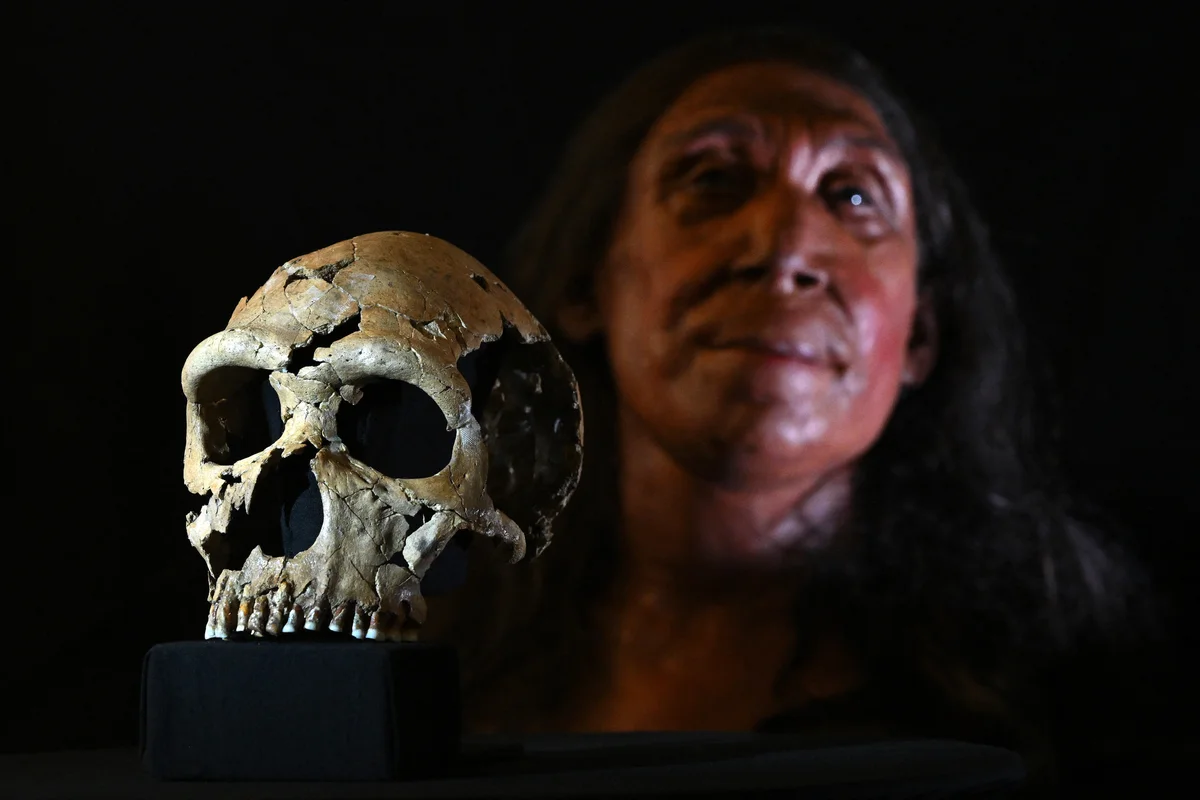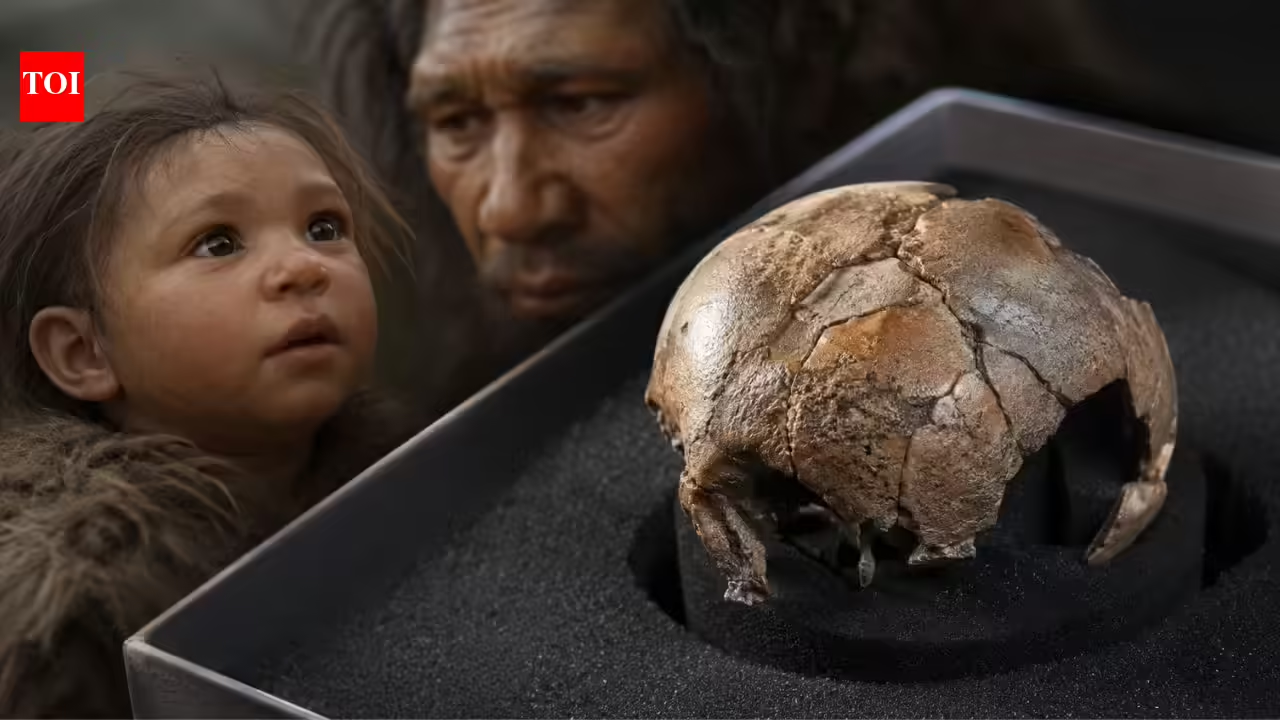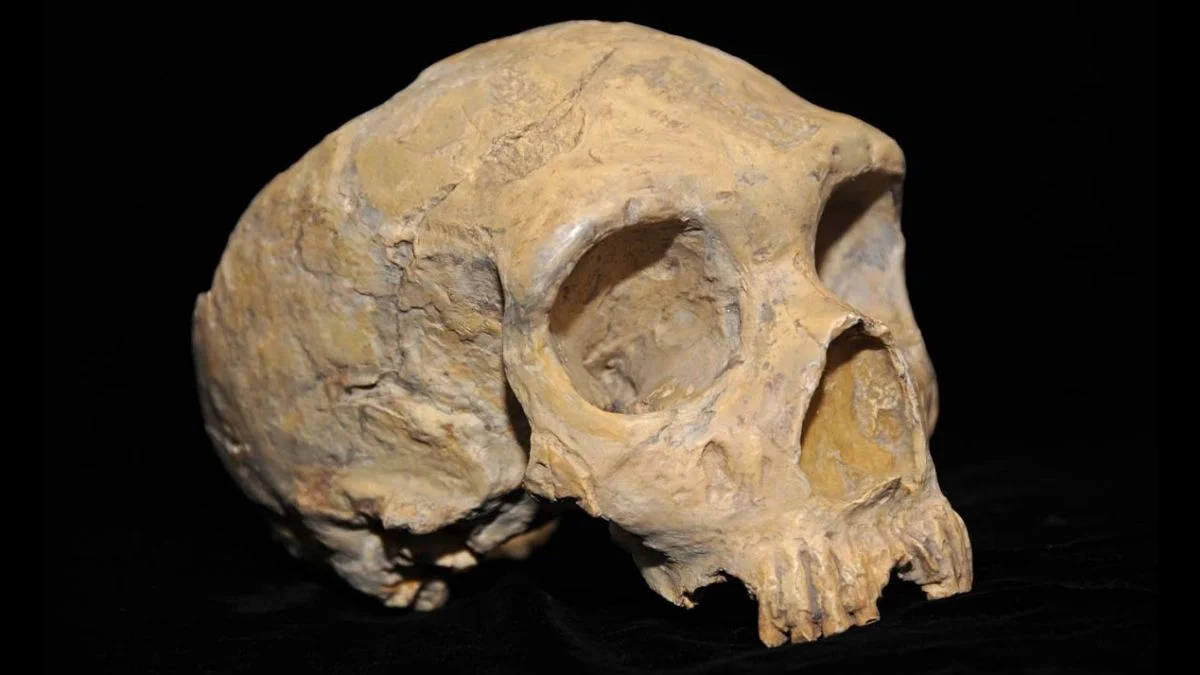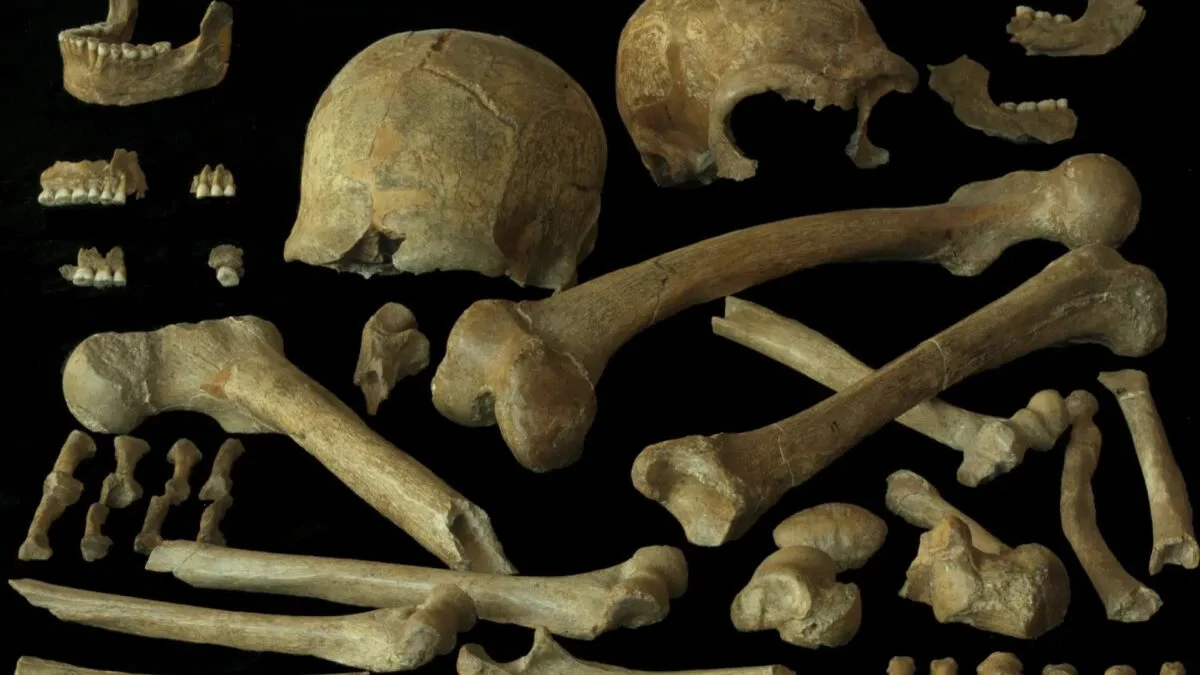
It turns out interbreeding wasn't the reason that a group of Neanderthals in Western Europe died out, according to a new study in Nature.
It was previously thought that Neanderthal populations died out because mating between close relatives caused genetic ill-health. Researchers have found evidence in other, earlier groups of interbreeding significant enough to cause low genetic diversity – similar to some endangered species today.
But that doesn't seem to have been the case for one particular population. Scientists studied DNA from 27 individuals who lived in the Meuse Basin, spanning Belgium and France, between 40,000 and 49,000 years ago – shortly before Neanderthals disappeared entirely.
Their analysis found almost no mating between close relatives, even up to the third-degree level (the relatedness of first cousins, sharing about 12.5 per cent of their DNA).
“This population in Belgium and France does not seem to be dying out, even though we know that they will die out in the end,” said study author Dr Benjamin Peter, a computational geneticist at the Max Planck Institute for Evolutionary Anthropology, Germany.