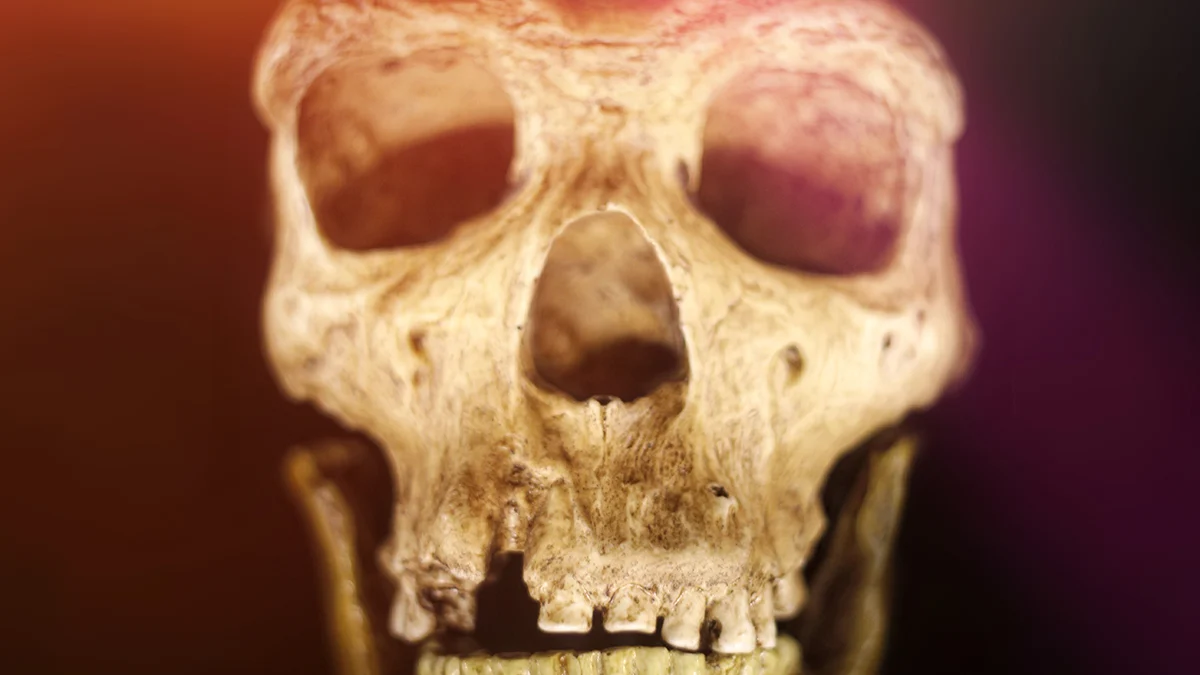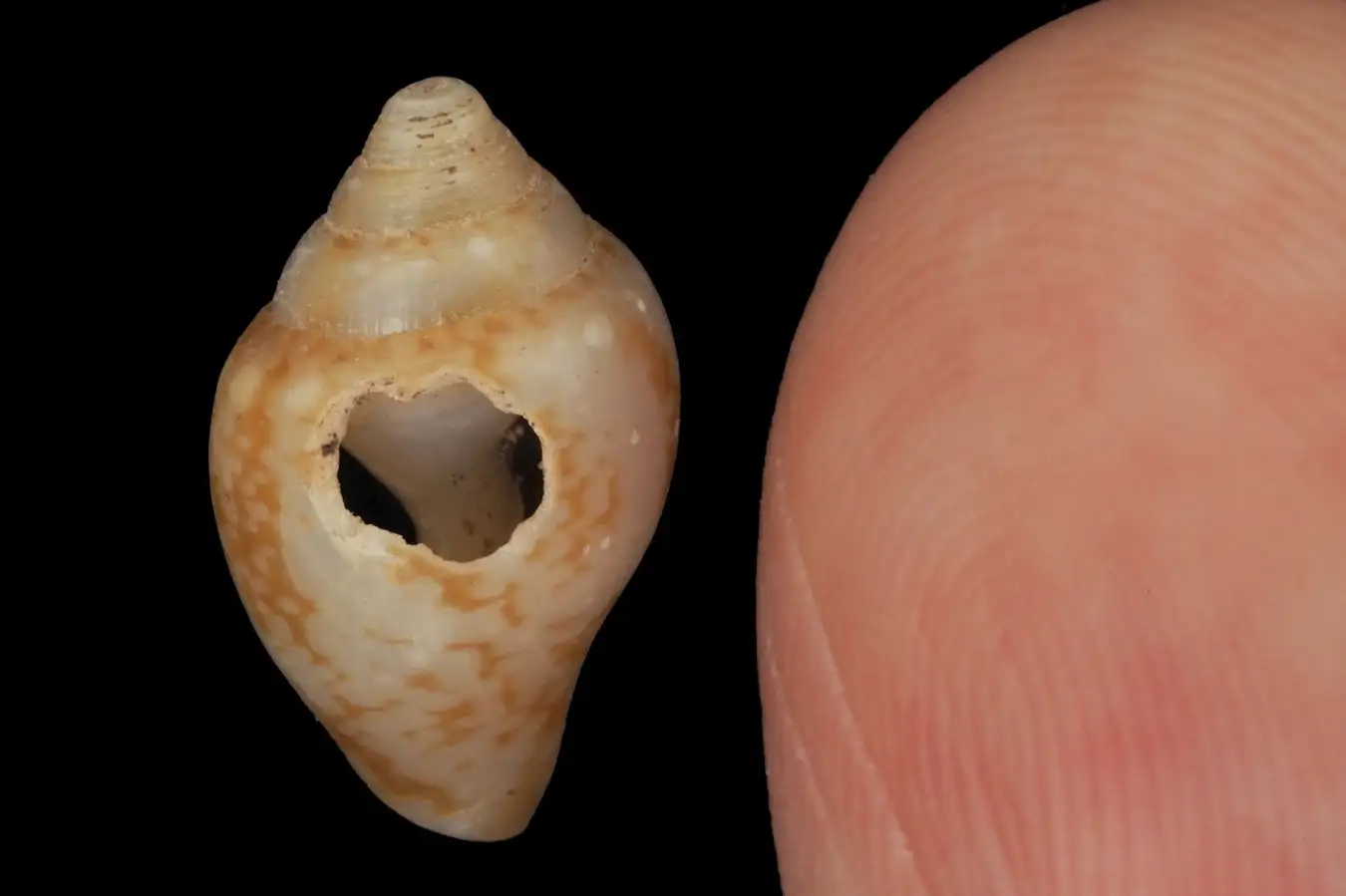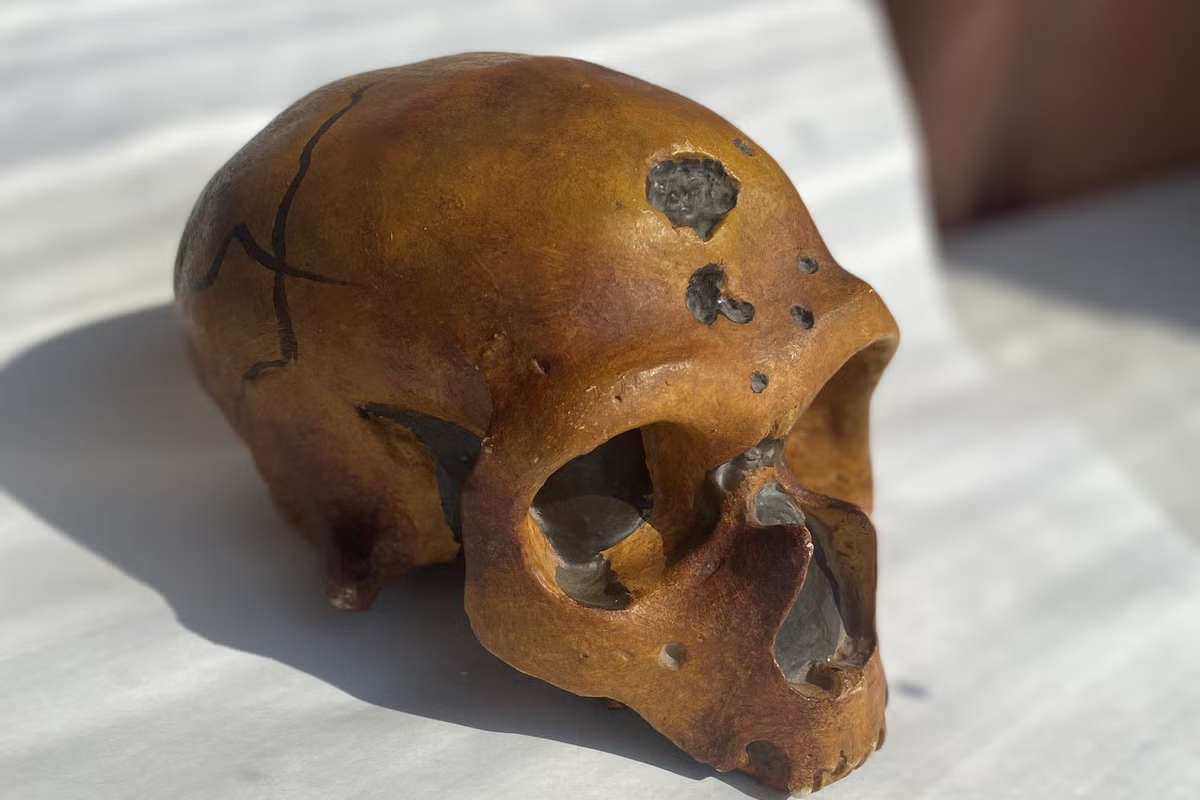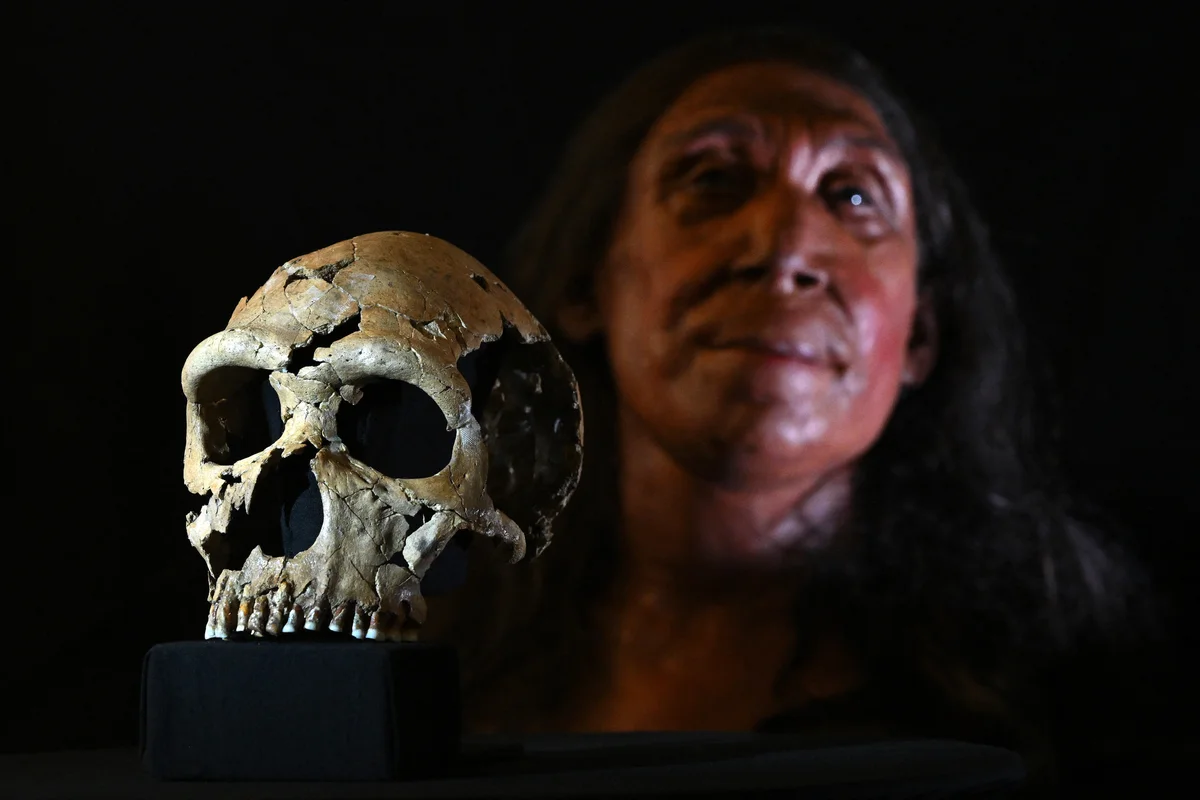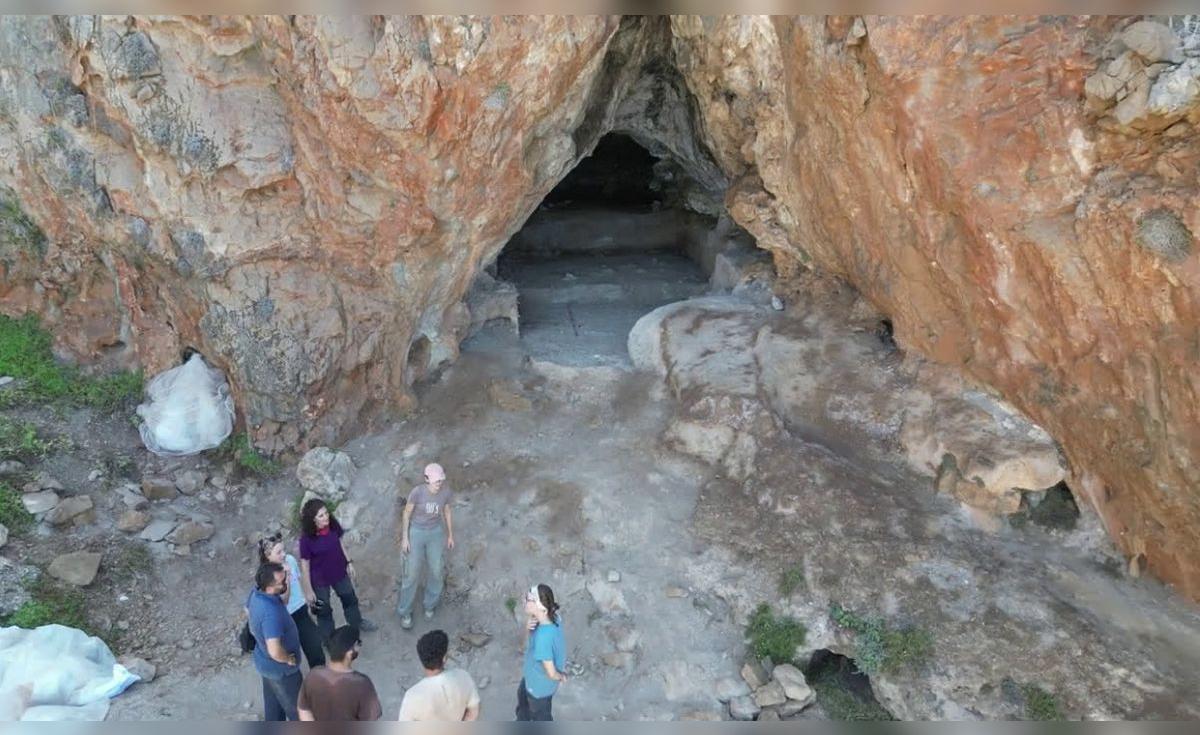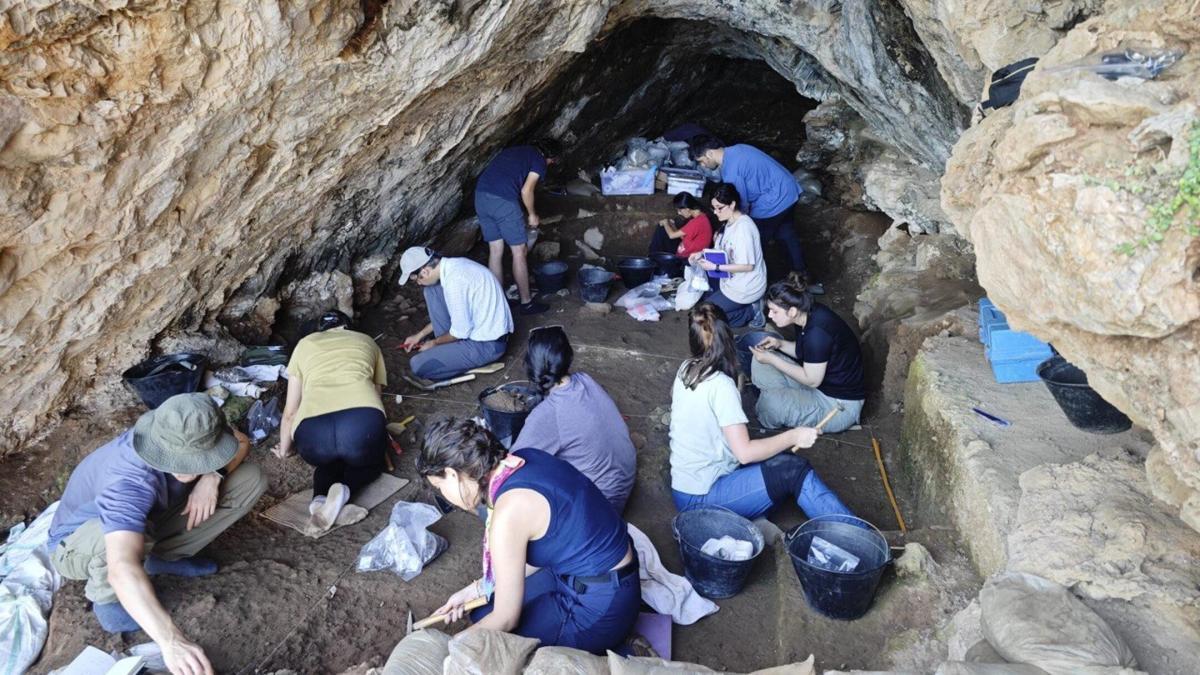
Most people alive today possess a small amount of Neanderthal DNA—a biological relic from tens of thousands of years ago, when Homo sapiens coexisted with our closest evolutionary cousins. A new study suggests their lives were even more intertwined than experts thought. The findings, published Monday in the journal Proceedings of the National Academy of Sciences, show that Neanderthals and H. sapiens may have shared a common culture for more than 20,000 years. The evidence comes from Üçağızlı II Cave in southern Türkiye, which harbored human fossils, animal and plant remains, stone tools, and other objects that suggest individuals from both species not only occupied the cave simultaneously but also shared technologies, survival strategies, and the use of decorative or non-practical objects. “Our findings indicate a deep level of cultural interaction,” co-author Naoki Morimoto, a paleoanthropologist at Kyoto University, said in a statement. “These two distinct but closely related human groups were not just adapting to the same environment: They were probably sharing symbolic preferences.”
Not so different after all Morimoto was part of an international team of researchers who spent five years meticulously excavating Üçağızlı II Cave in search of human fossils dating back to the Out of Africa migrations. Between 70,000 and 50,000 years ago, H. sapiens expanded beyond Africa in a series of wave-like migrations, spreading through the Middle East into Europe, Asia, Australia, and eventually the Americas.