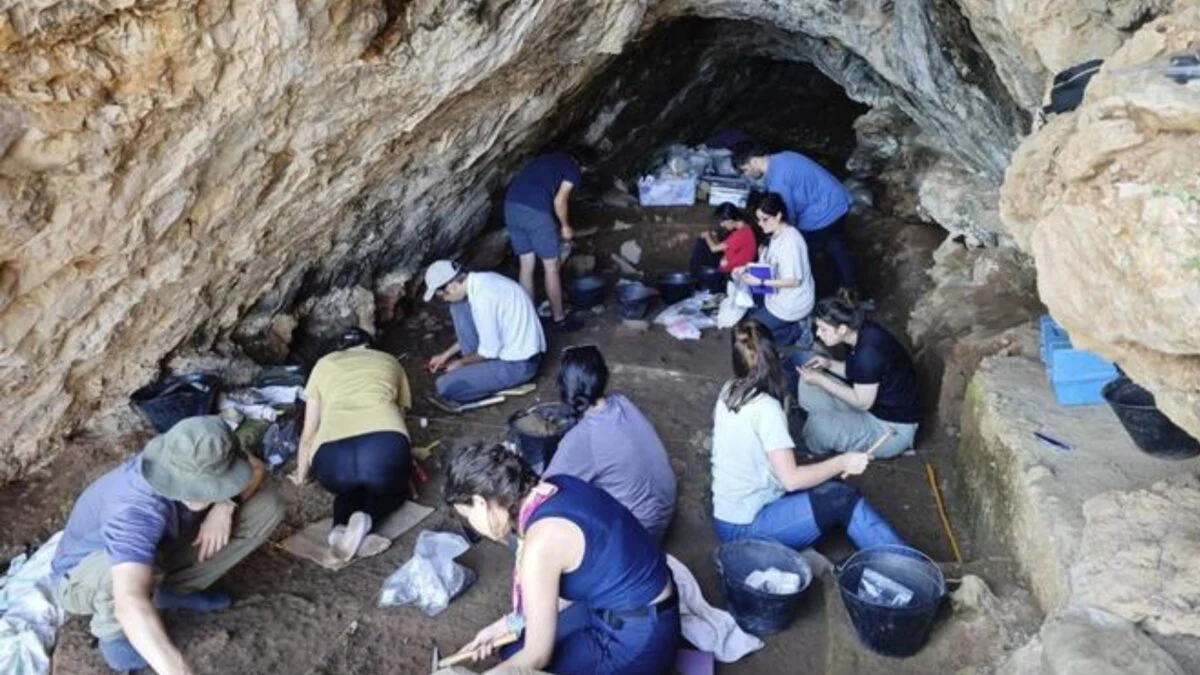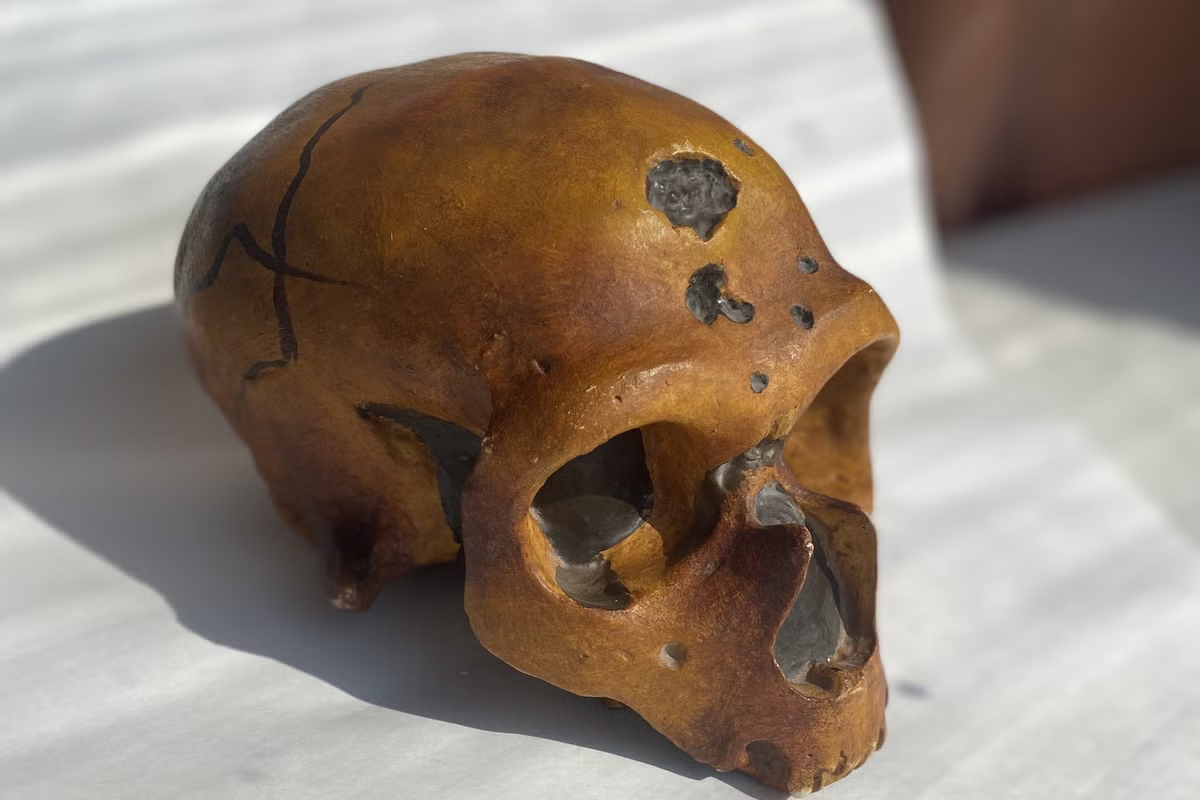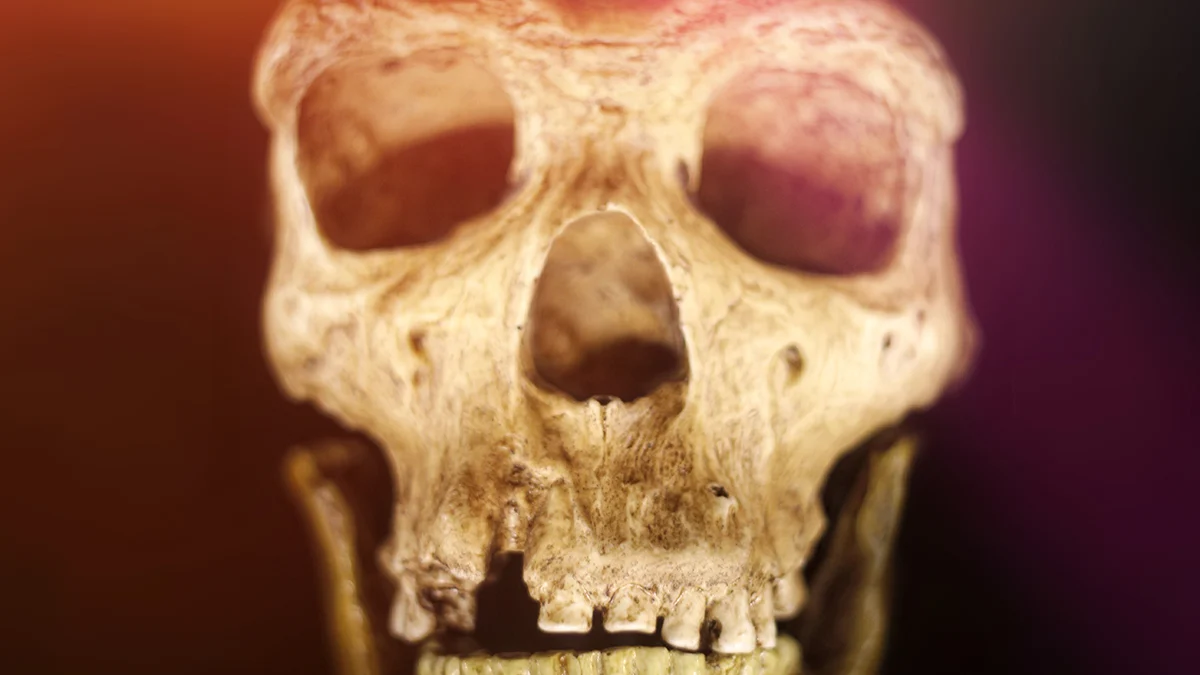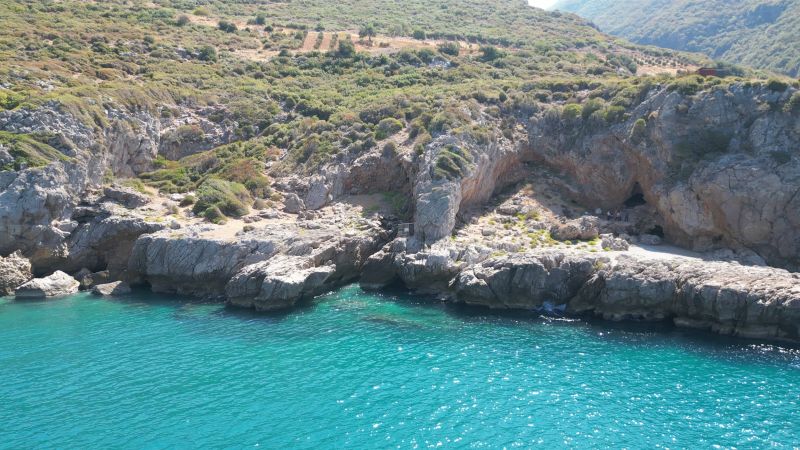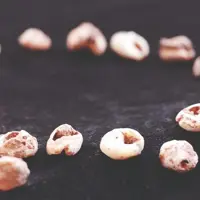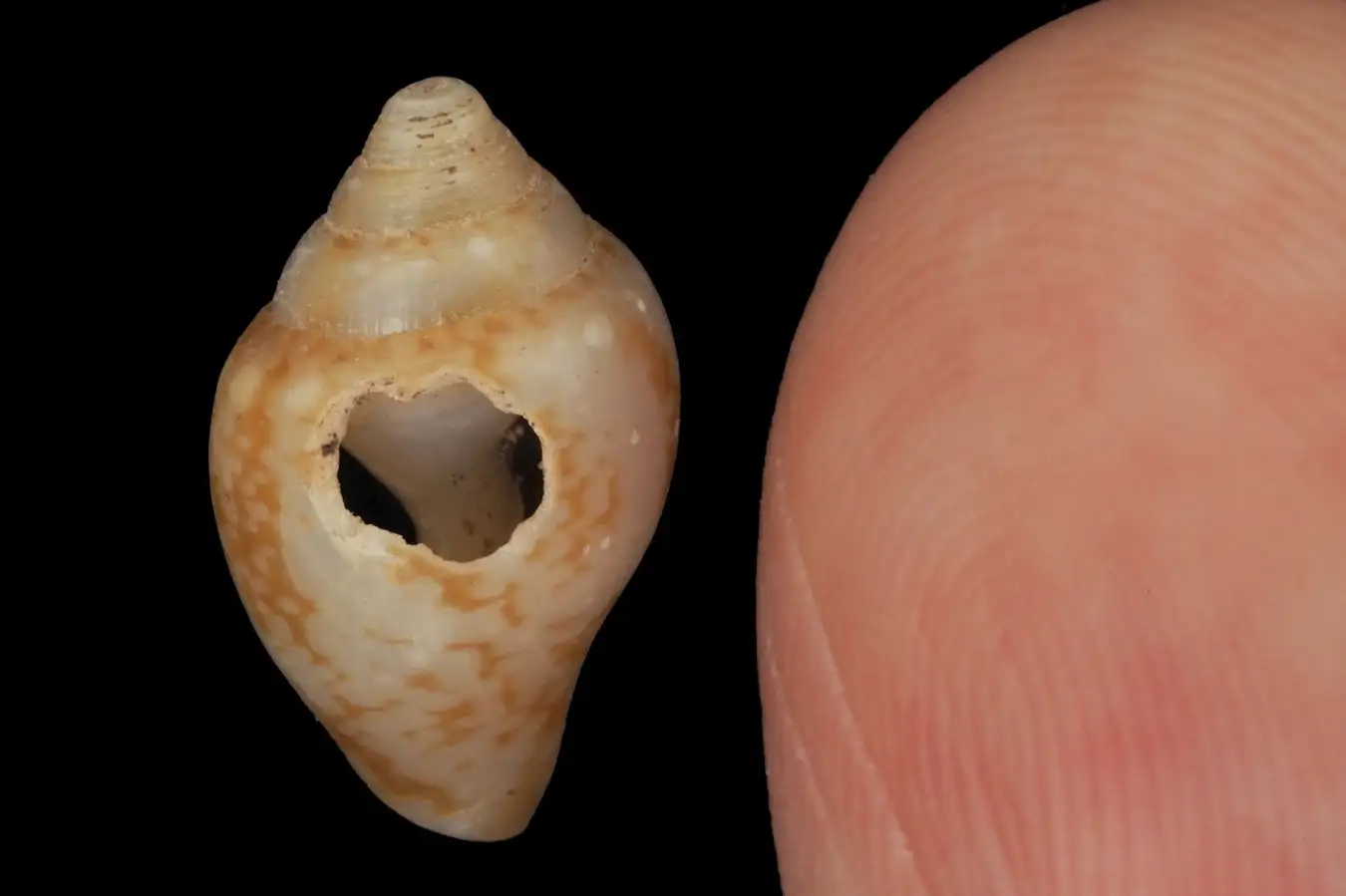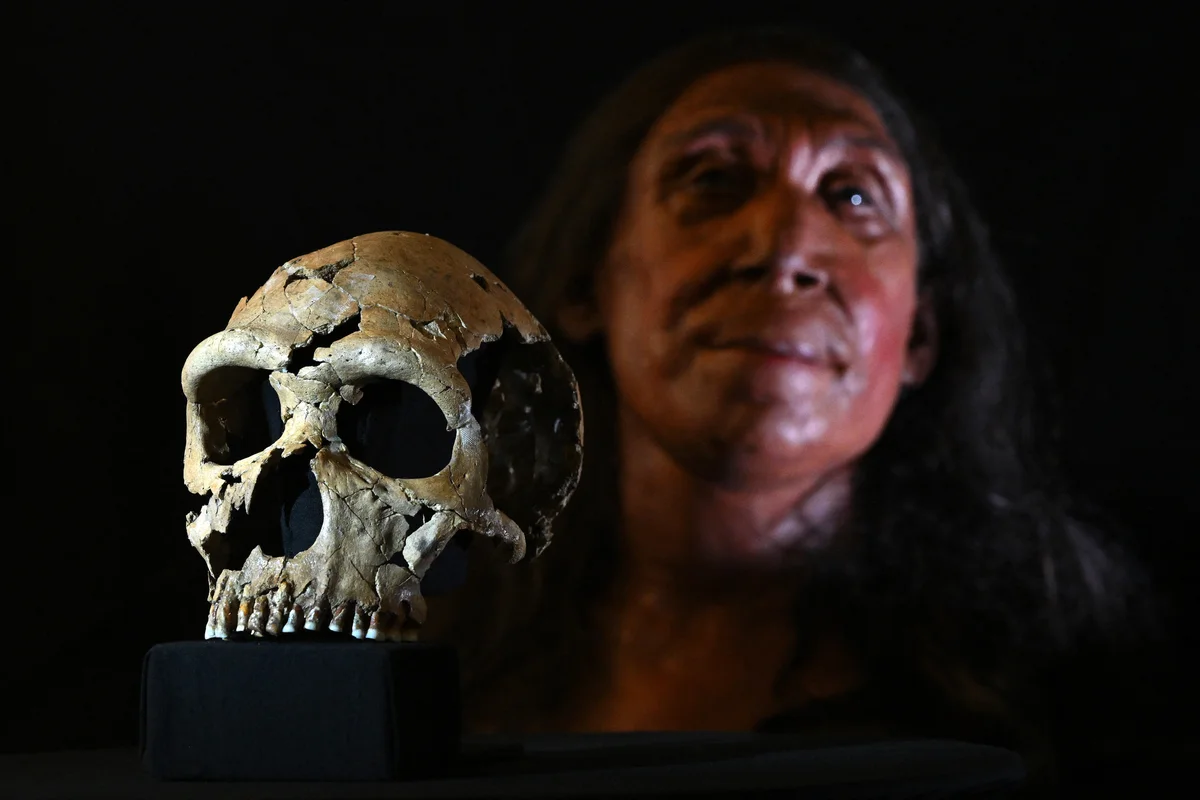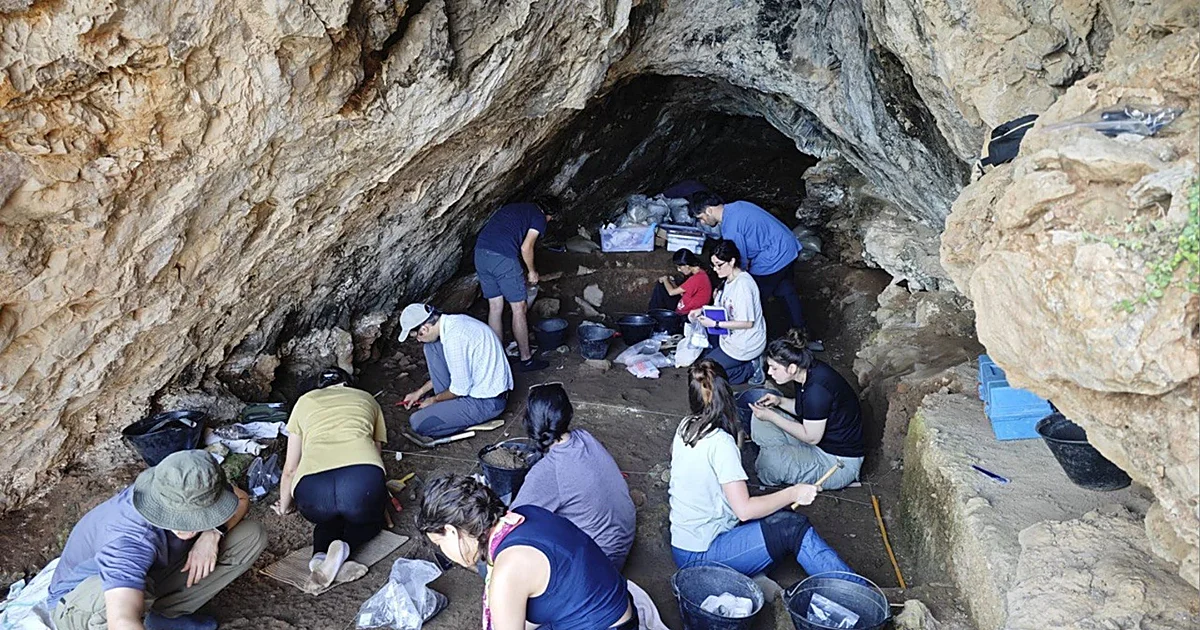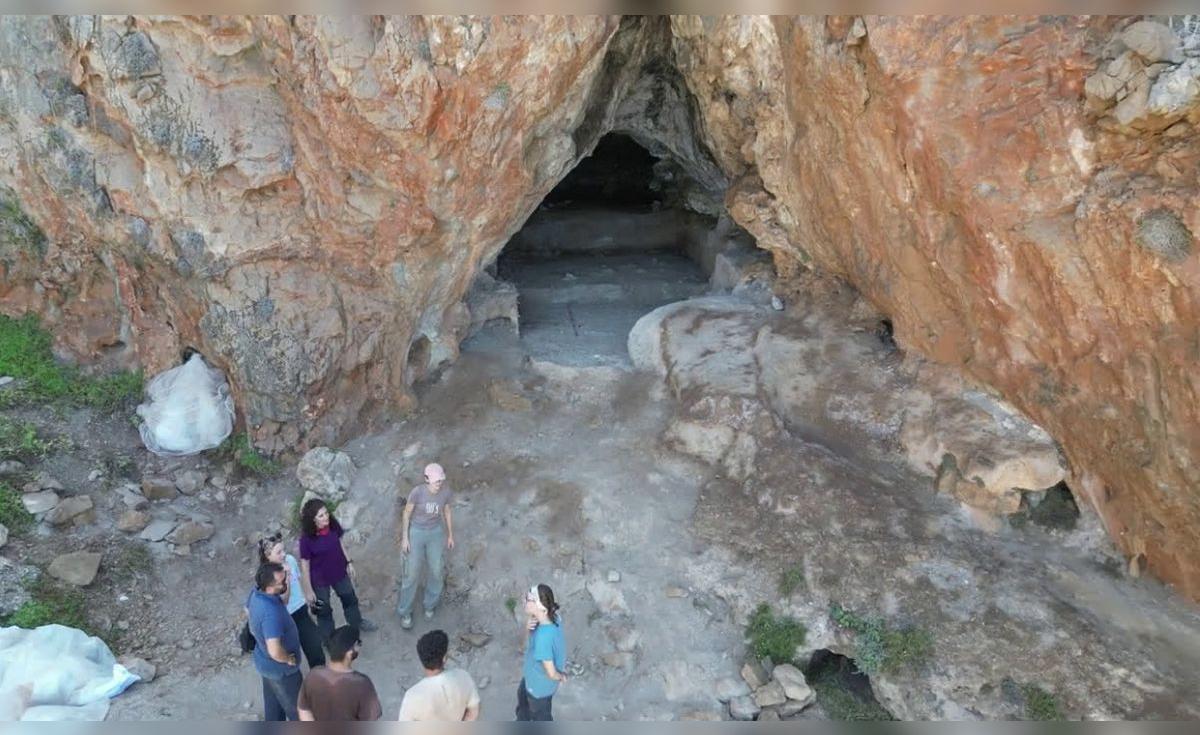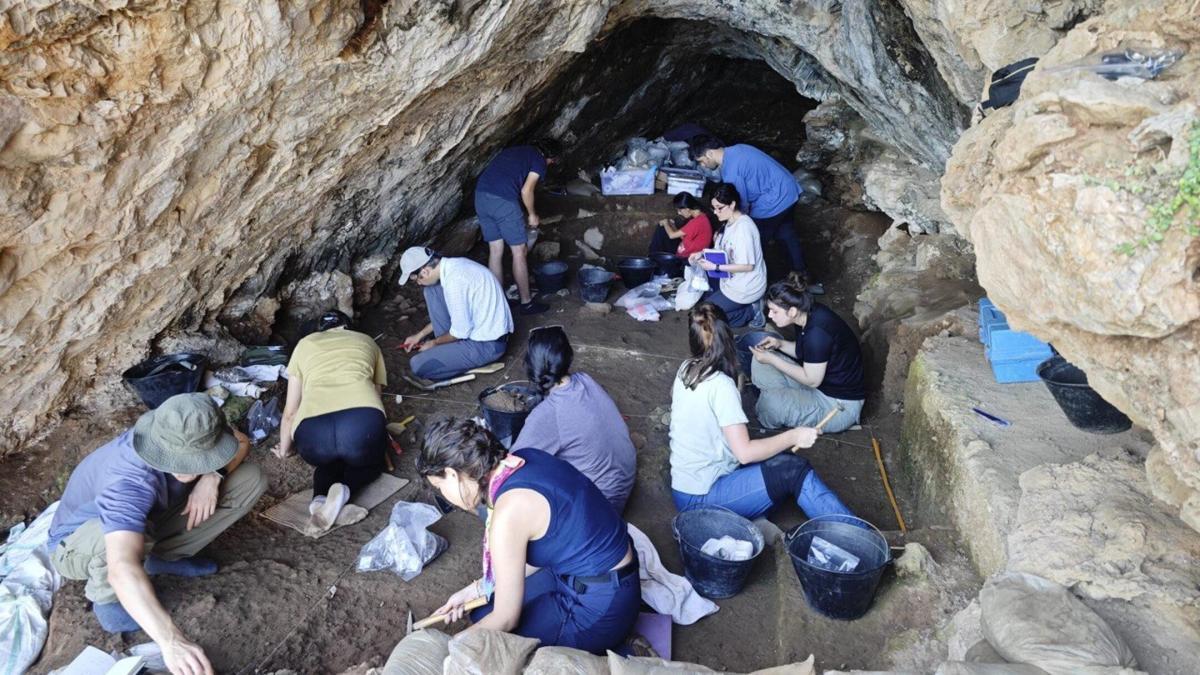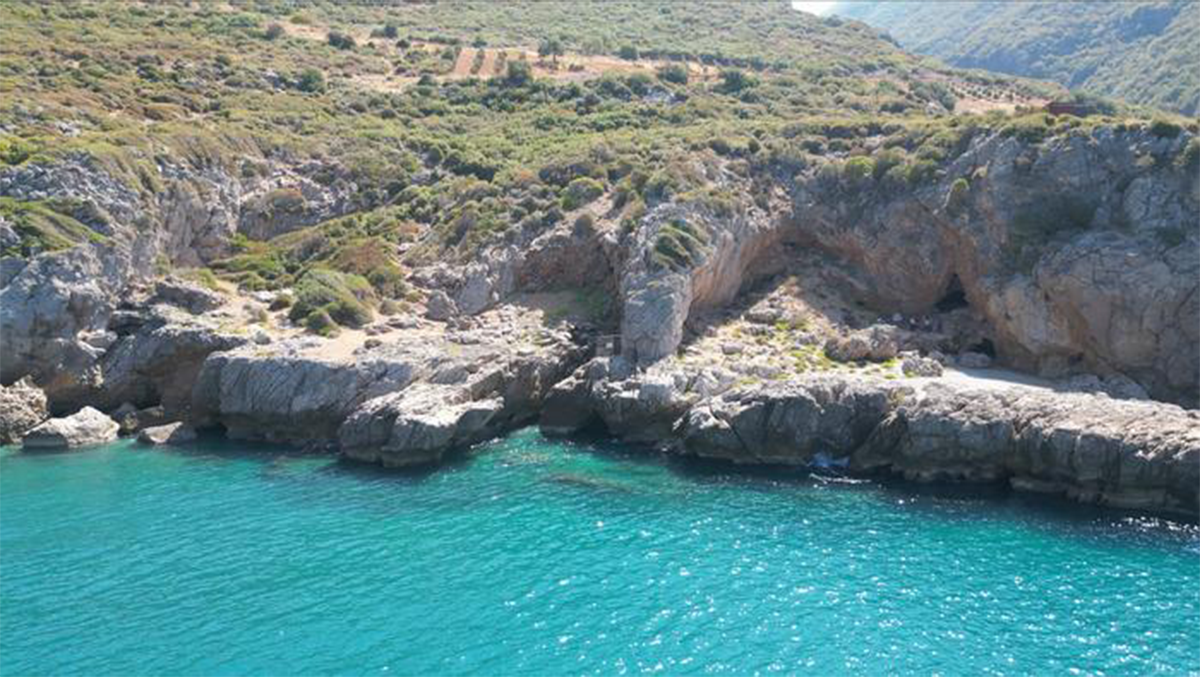
We know that modern humans and Neanderthals shared genes during the time they overlapped on Earth. Now a new study published in the Proceedings of the National Academy of Sciences suggests they shared a culture when they overlapped at a cave in southern Turkey.Featured VideoSixty thousand years ago, the Levant was a major corridor for humans leaving Africa and Neanderthals venturing south from Europe, and the two groups likely encountered one another, and even mingled. They definitely shared the same real estate, albeit at different times. According to an analysis of remains discovered there, Üçağızlı II Cave (pronounced “Uuch-ah-UHZ-luh”) on Turkey’s Mediterranean coast was home to Neanderthals 77,000 to 59,000 years ago. After that, Homo sapiens took over the lease, living there until 47,000 years ago.Read more: “Early Humans Made Animated Art”Peeling back the layers of sediment in Üçağızlı II millimeter by millimeter, an international team of anthropologists found extraordinary continuity between the cave’s two distinct occupying species. In fact, if it weren’t for a close examination of the teeth discovered there, they might not have known the cave changed hands at all. The nearly 20,000 stone tools discovered at the site—mostly scrapers—showed remarkable consistency. Additionally, researchers found bones from the same animals (deer, goat, and wild boar), indicating a shared diet and hunting strategies. But the most notable objects discovered appeared to be purely ornamental. Littered among the tools and bones, researchers uncovered shells from the Mediterranean sea snail Columbella rustica. The team says the snails weren’t fit for consumption and showed little signs they had been discarded leftovers. However, the shells had striking patterns, and many of them were punctured, suggesting they may have been used as beads.ANCIENT ADORNMENT: A selection of Columbella rustica shells. This type of shell may have had holes bored in them, so they could be used as jewelry or decoration by the prehistoric inhabitants of a cave in Turkey. Credit: H. Zell / Wikipedia.To the researchers, this is no coincidence. Instead, it hints at a level of involvement between the groups that extends beyond merely a continuity of decor. “Our findings indicate a deep level of cultural interaction,” study author Naoki Morimoto of Kyoto University said in a statement. “These two distinct but closely related human groups were not just adapting to the same environment: They were probably sharing symbolic preferences.” Enjoying Nautilus? Subscribe to our free newsletter.Lead image: KyotoU / Naoki Morimoto
Modern Humans and Neanderthals May Have Shared a Cave-Dwelling Culture
Modern Humans and Neanderthals May Have Shared a Cave-Dwelling Culture: A cave in southern Turkey is spilling its ancient secrets
400 words~2 min read