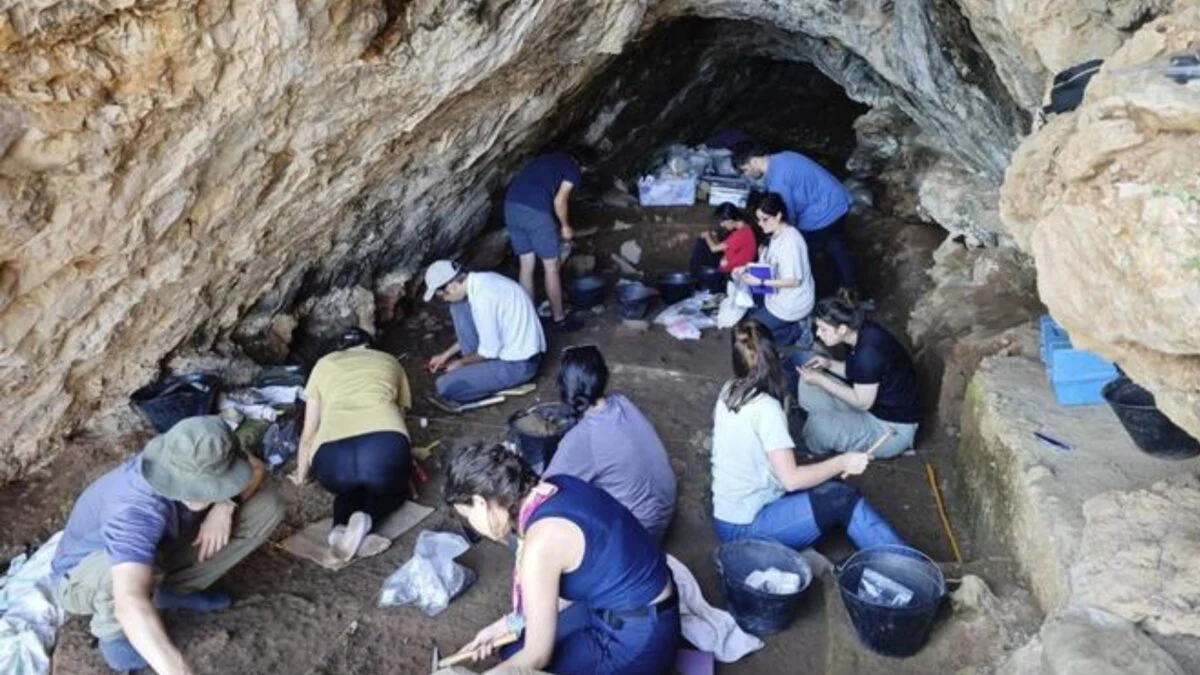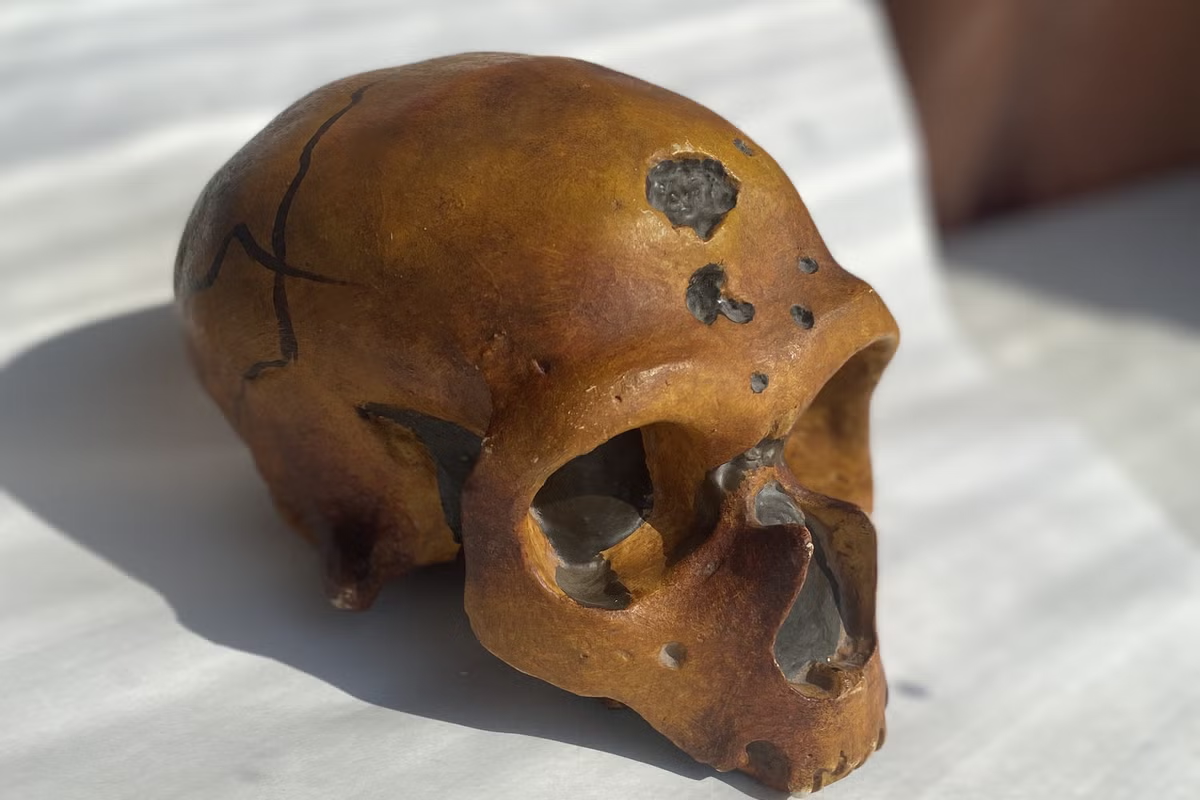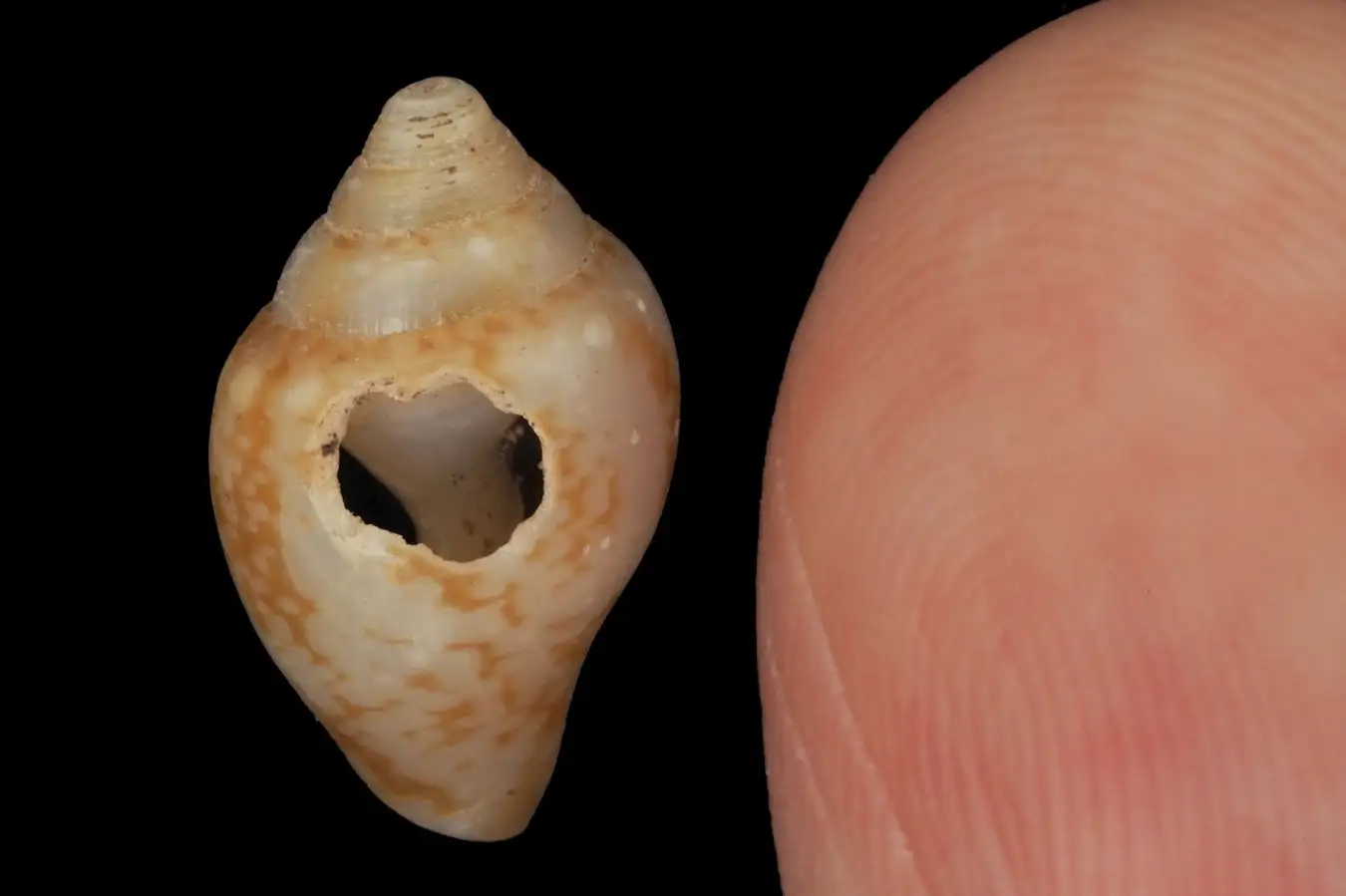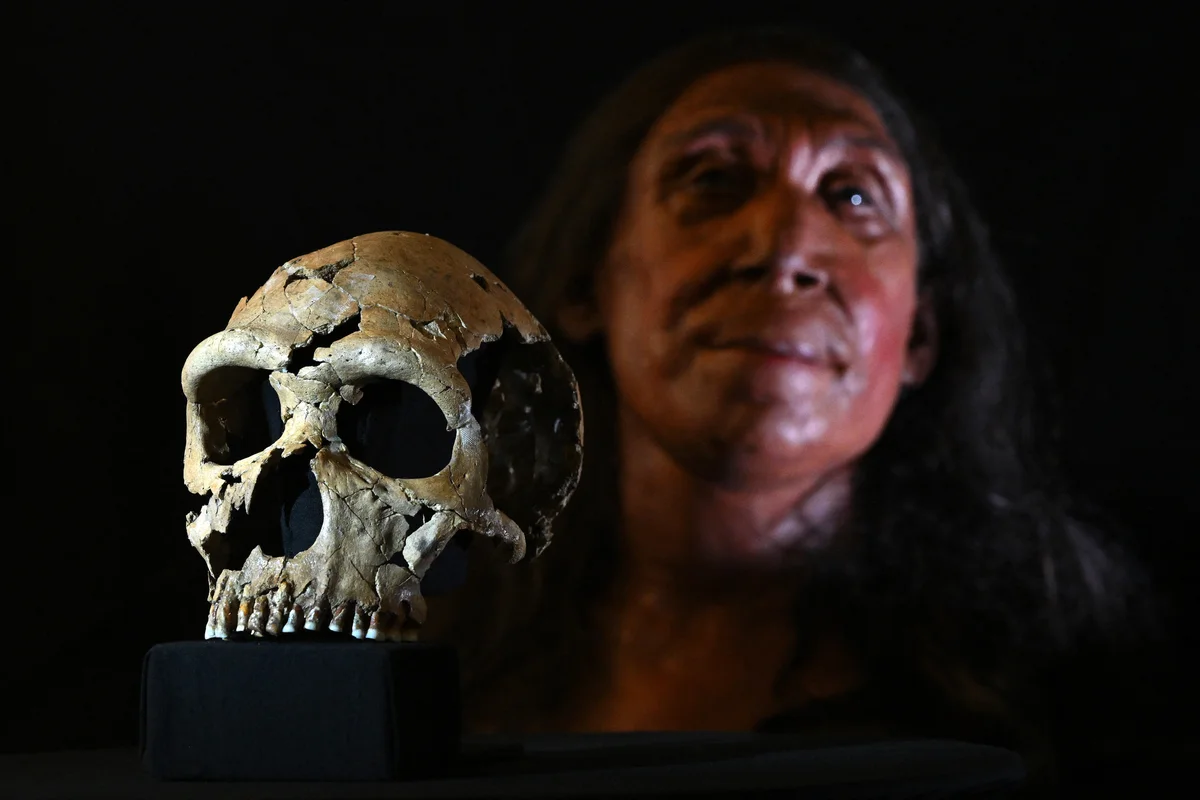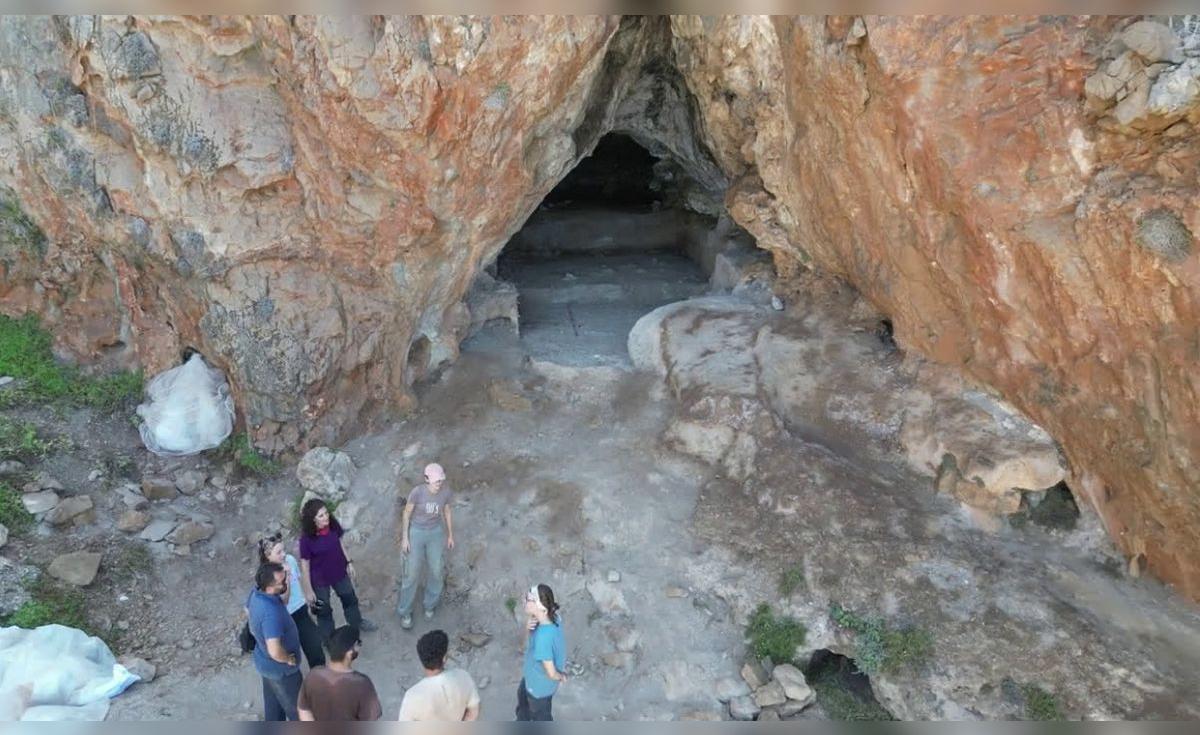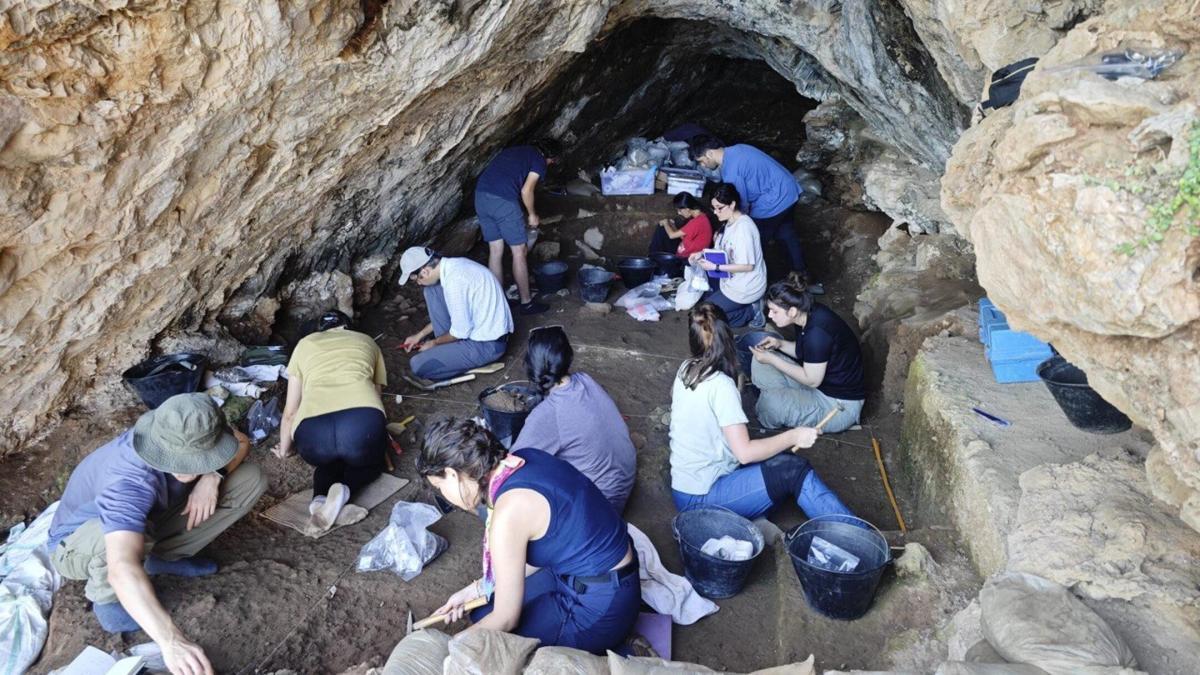
We know from the traces left behind in our DNA that Homo sapiens met and mingled with Neanderthals long before our species eventually came to dominate.Now a new cave excavation points to an even closer relationship between these groups, which appears to have lasted for many thousands of years.Experts from Türkiye, France, and Japan have been digging down into layers of sediment in the Üçağızlı II Cave in northern Türkiye, part of the Levant region that acted as a corridor for early modern humans to spread to Eurasia from Africa.They found evidence of Neanderthals (starting from around 77,000 years ago) and modern humans (starting from around 59,000 years ago) living in the same location – but even as the inhabitants of the cave changed, a lot of the stone tools, hunting techniques, and collected objects stayed the same.Some of the shells discovered at the site. (Baykara et al., PNAS, 2026)It suggests some elements of a common culture between the groups that may have spanned as many as 20,000 years."Our findings indicate a deep level of cultural interaction," says anthropologist Naoki Morimoto from Kyoto University in Japan."These two distinct but closely related human groups were not just adapting to the same environment: they were probably sharing symbolic preferences."The researchers used a technique known as optically stimulated luminescence, which estimates when grains of sediment were last exposed to sunlight, to date the items found in the cave.In terms of a shared culture, the most notable discoveries were Columbella rustica snail seashells. These would have had no value as food, so must have been ornamental – and although these shells had previously only been associated with H. sapiens, it turns out that Neanderthals collected them too.The site of the archaeological excavations. A distant view of the Üçağızlı II Cave in southern Türkiye. (Kyoto University / Naoki Morimoto)The implication is that these two species were in direct contact, sharing knowledge and traditions over the centuries."Our findings suggest shared behaviors between Neanderthals and modern humans that extended beyond subsistence to include nonutilitarian behaviors within the specific geographic and temporal context studied here," write the researchers in their published paper.Other discoveries in the cave sediment included teeth, a jawbone, engraved artifacts, and animal remains: including deer, goats, and wild boars.
Humans And Neanderthals Shared a Culture For 20,000 Years, Cave Discovery Suggests
We know from the traces left behind in our DNA that Homo sapiens met and mingled with Neanderthals long before our species eventually came to dominate.
715 words~3 min read