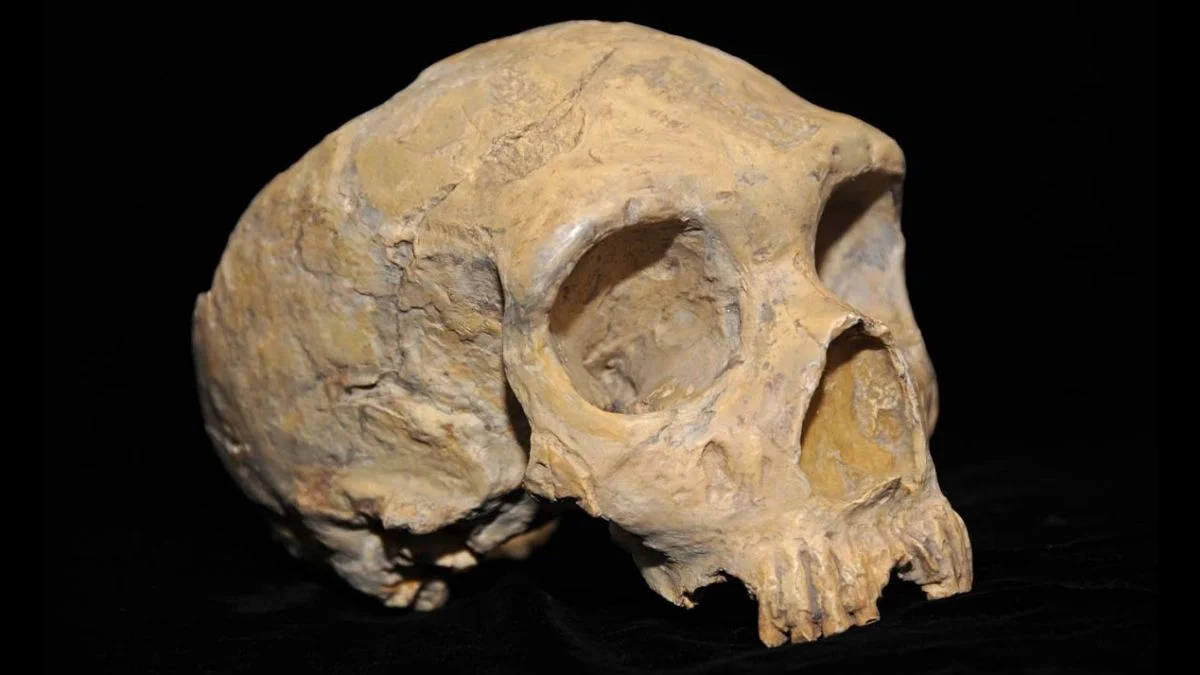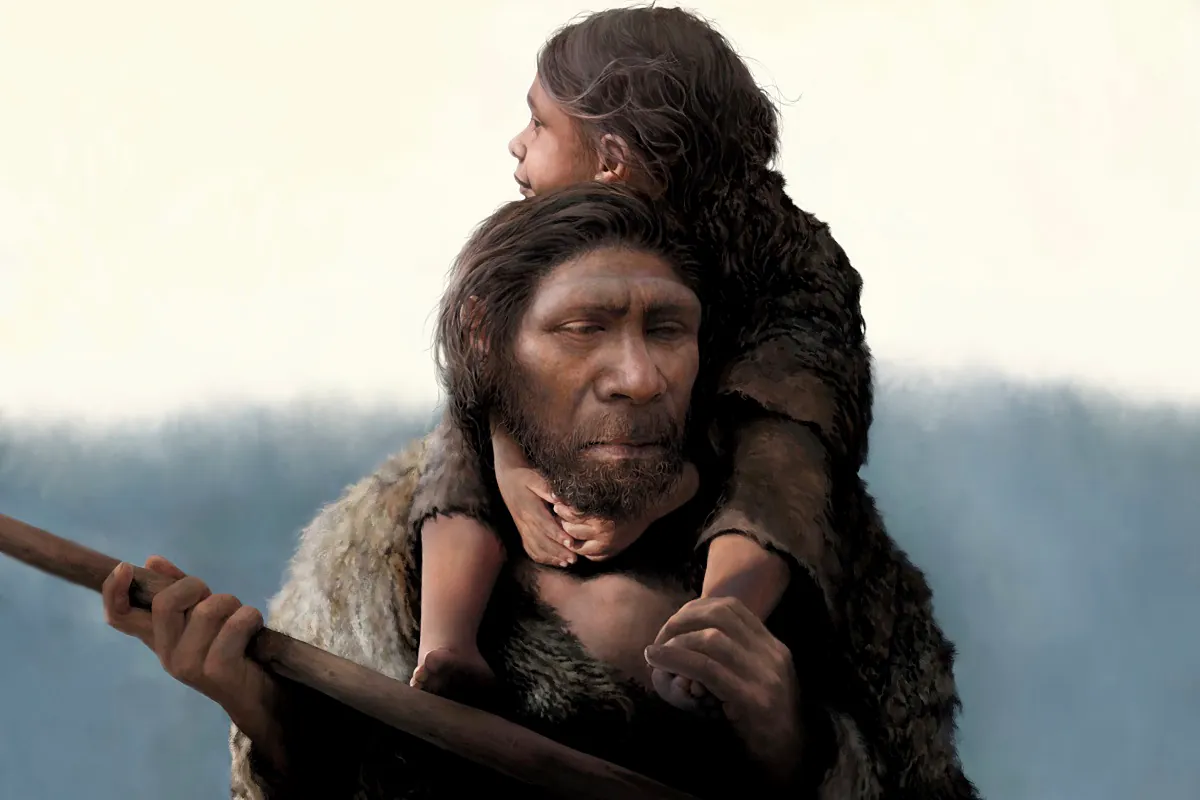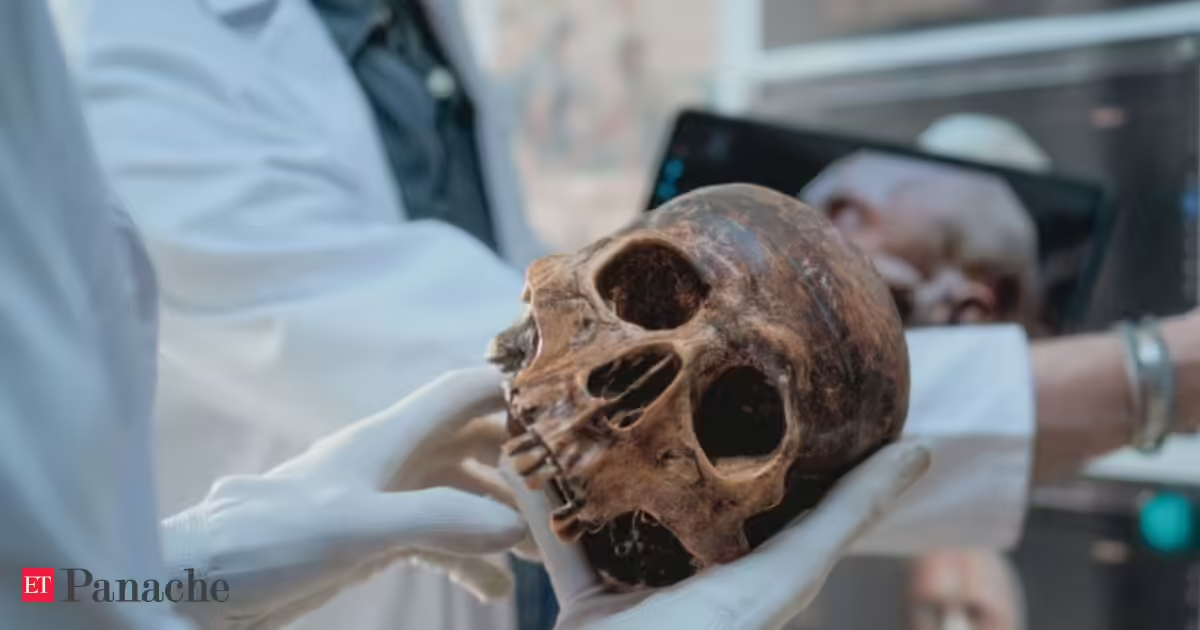
Ancient DNA can provide insights about Neanderthals’ social structureMAURICIO ANTON/SCIENCE PHOTO LIBRARY
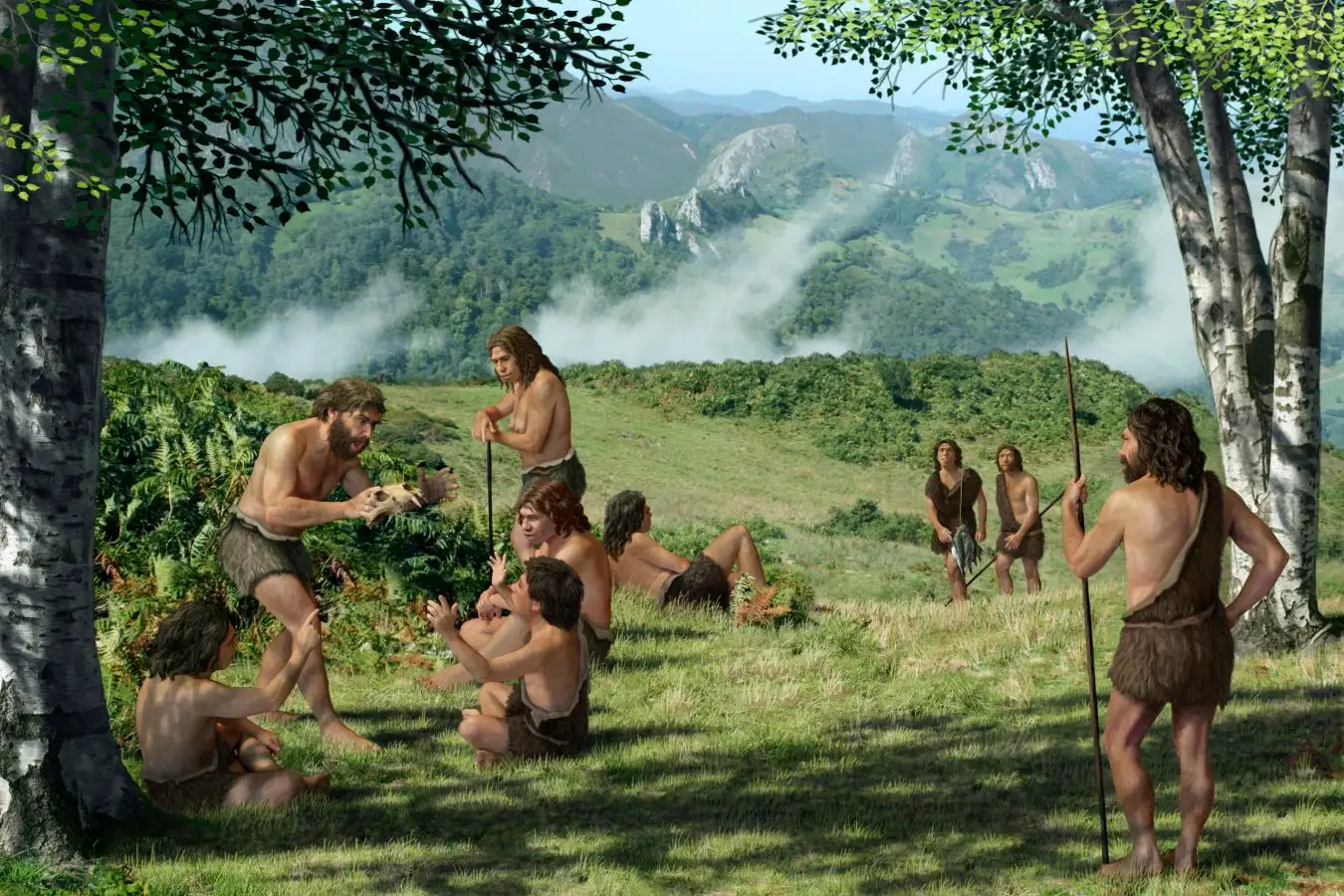
Some of the last surviving Neanderthals of north-western Europe may have lived in genetically diverse, well-connected groups, hinting that inbreeding wasn’t a major cause of their extinction about 40,000 years ago.
Genetic studies of Neanderthals (Homo neanderthalensis) have been limited by a lack of specimens that are preserved well enough to allow DNA analysis. Just four high-quality genomes have been available – three from the edge of the Neanderthals’ geographic range in Siberia – although there are more of lower quality. This means genetics hasn’t been able to tell us much about the social structure of their communities, but the existing genomic information did imply that as Neanderthals became fewer, they became inbred, which may have contributed to their demise.
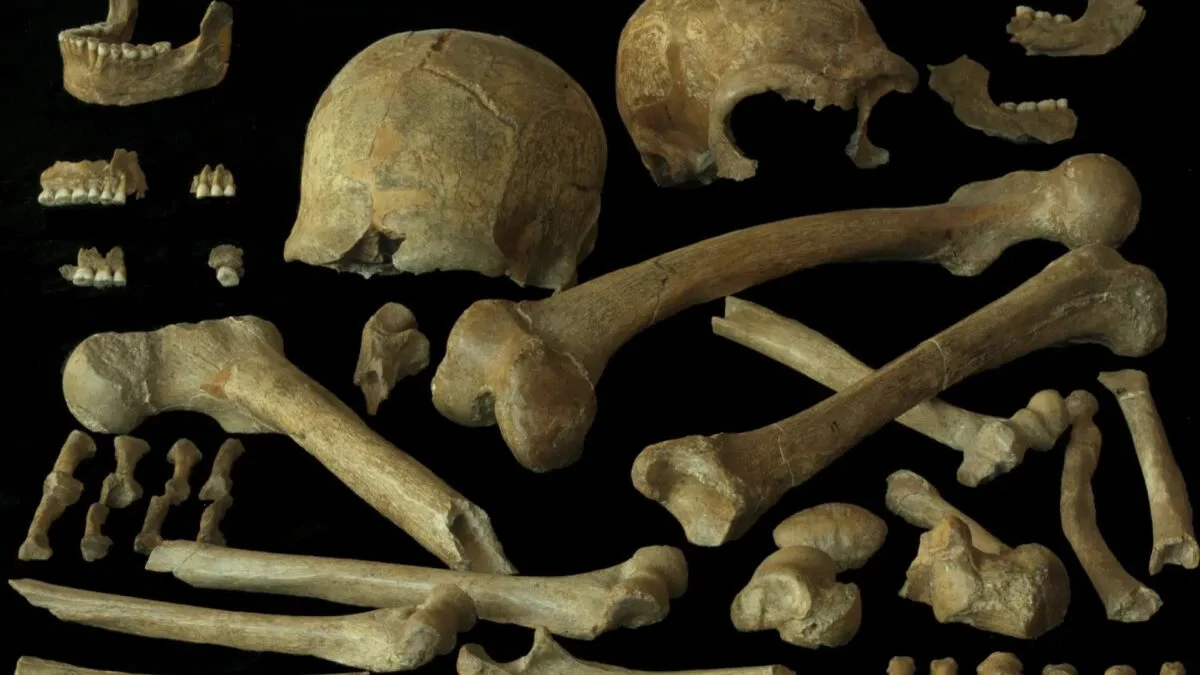
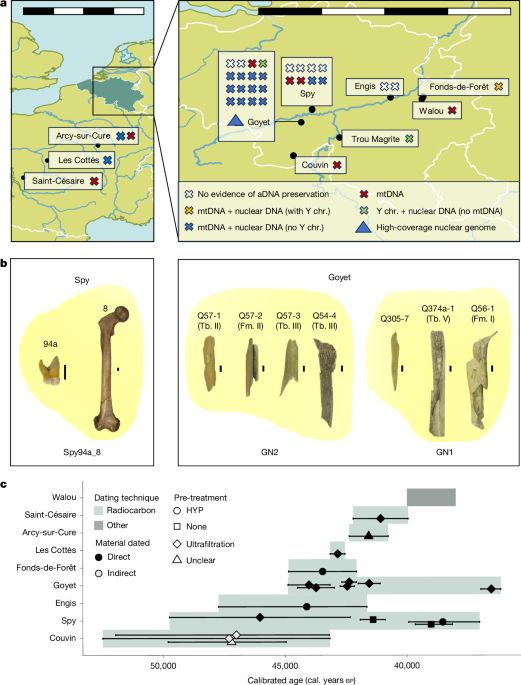
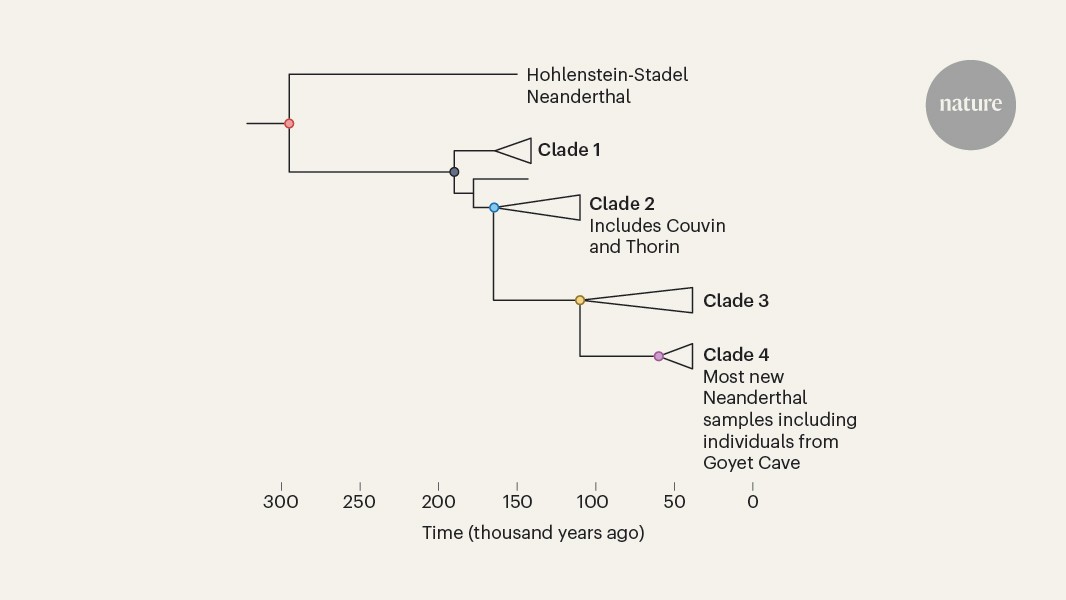
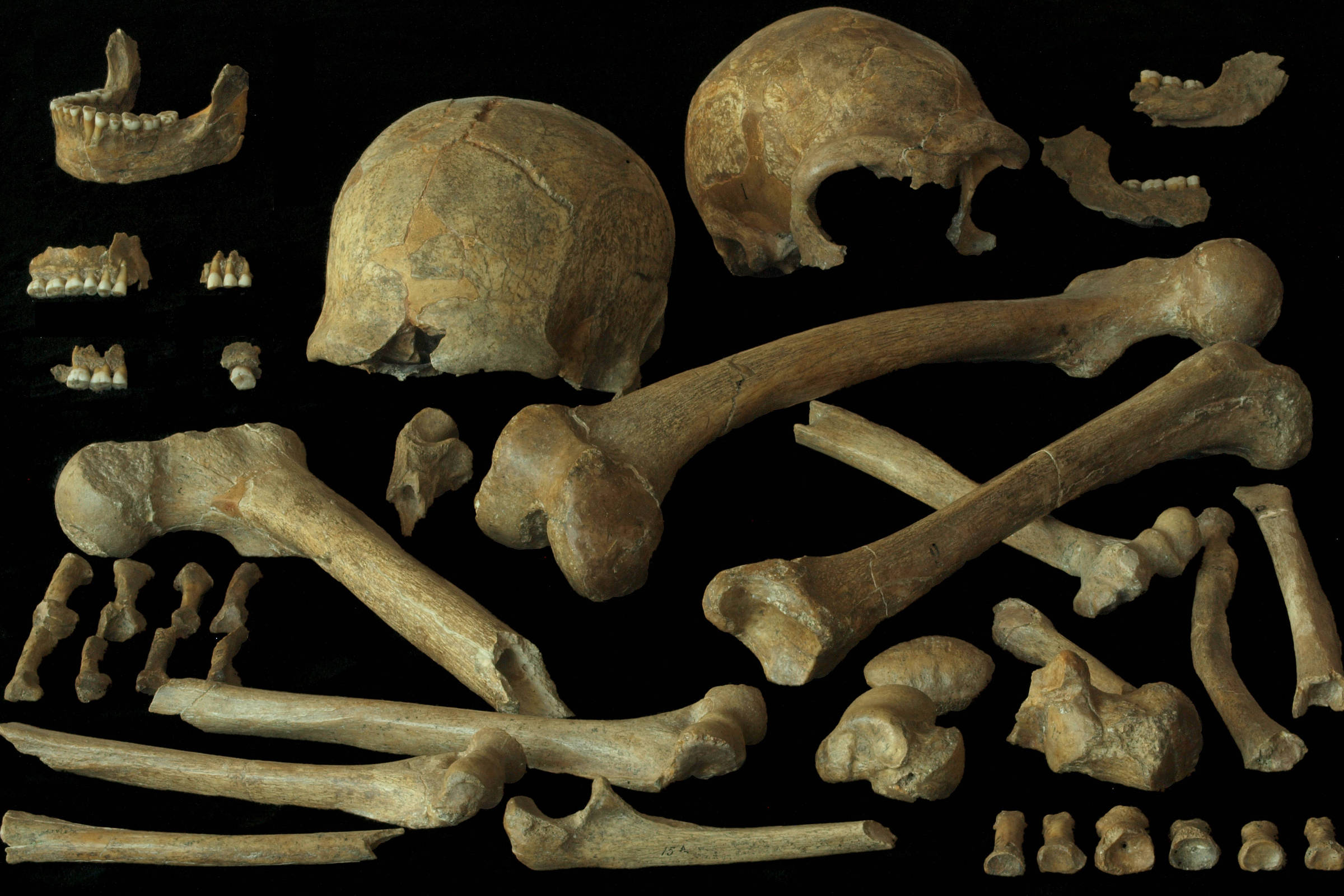
Alba Bossoms Mesa at the Max Planck Institute for Evolutionary Anthropology in Leipzig, Germany, and her colleagues have now sequenced DNA from 27 Neanderthal remains from seven locations in Belgium and two in France, dating from 52,500 to around 40,000 years ago. One generated genome, from a woman cannibalised some 45,000 years ago in Goyet cave in Belgium, is of high quality.