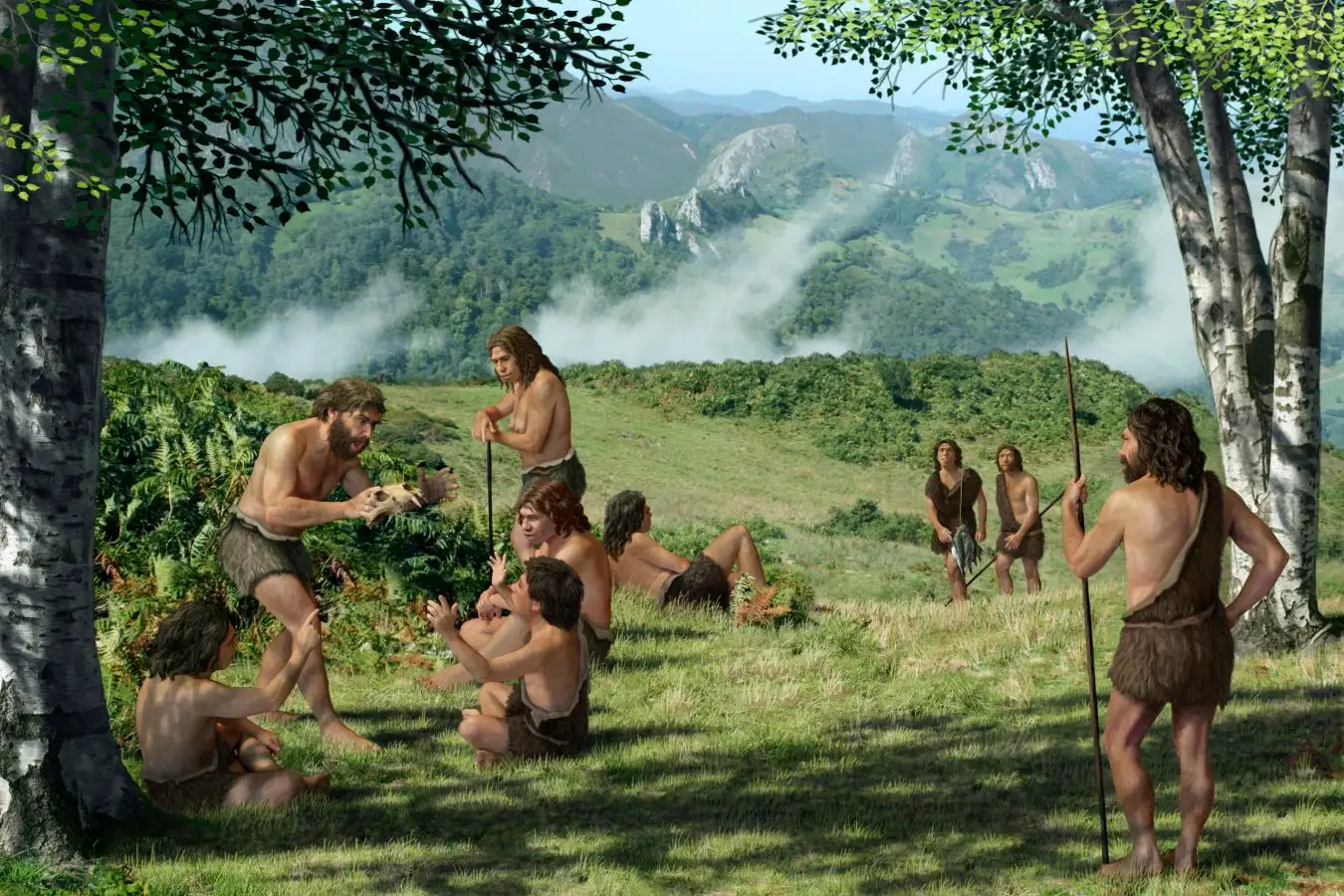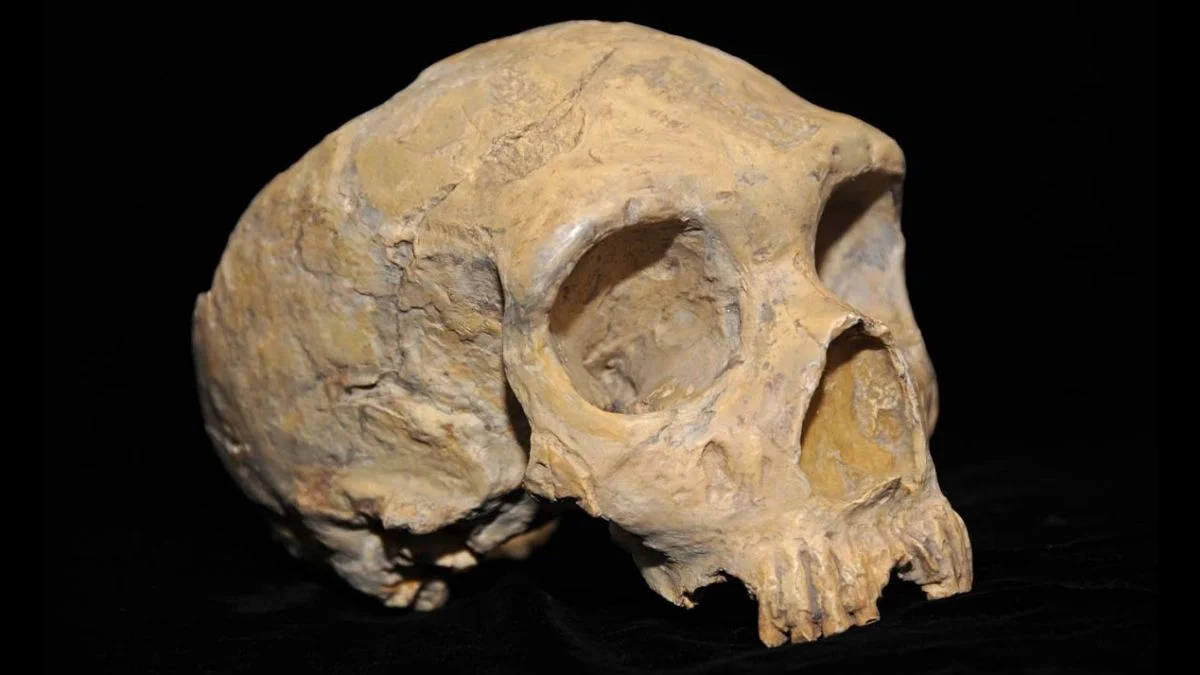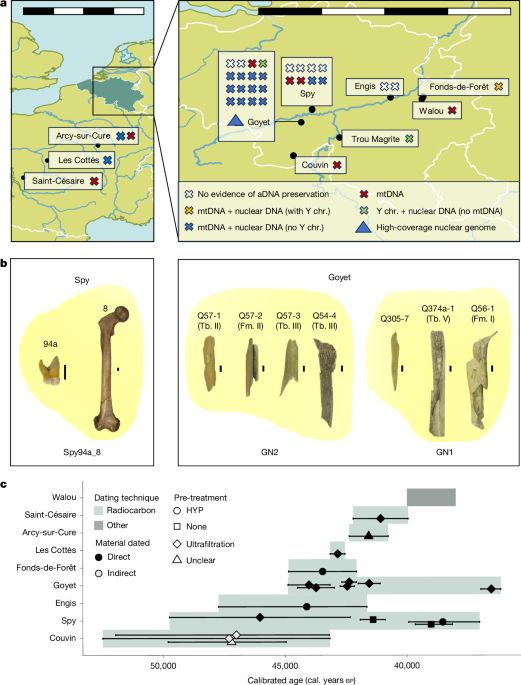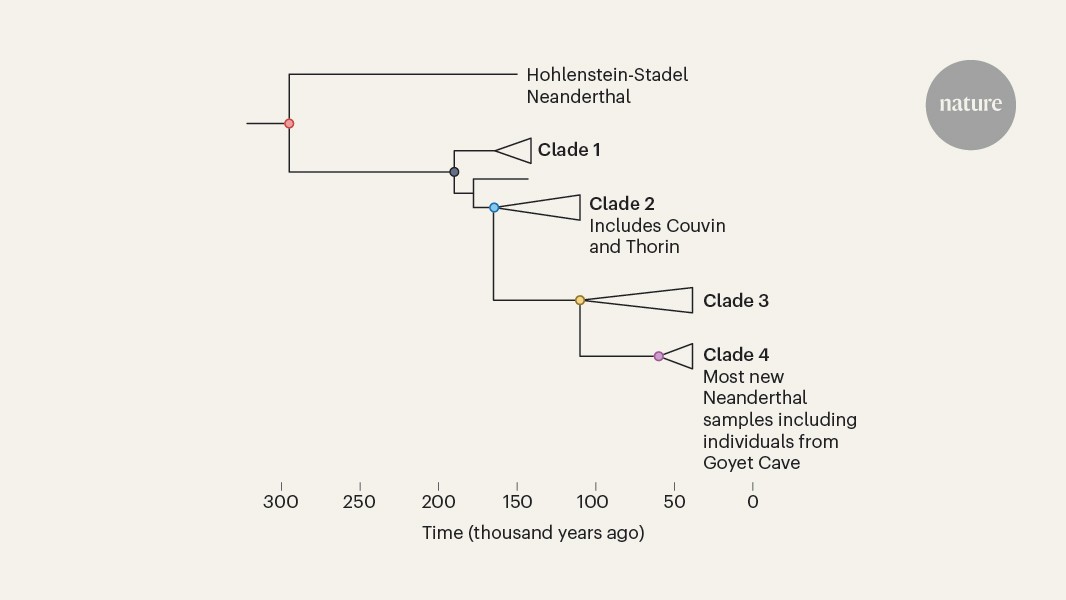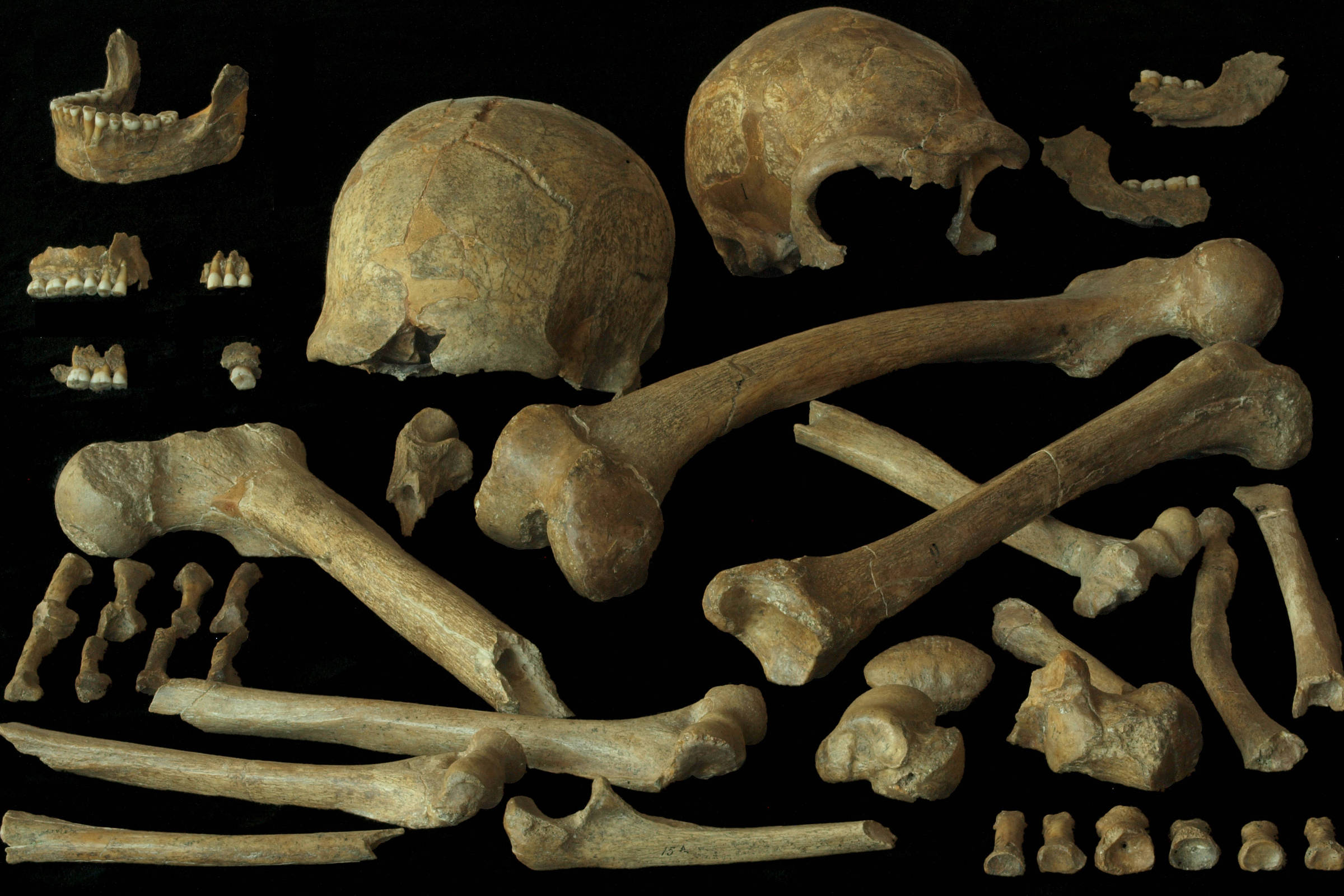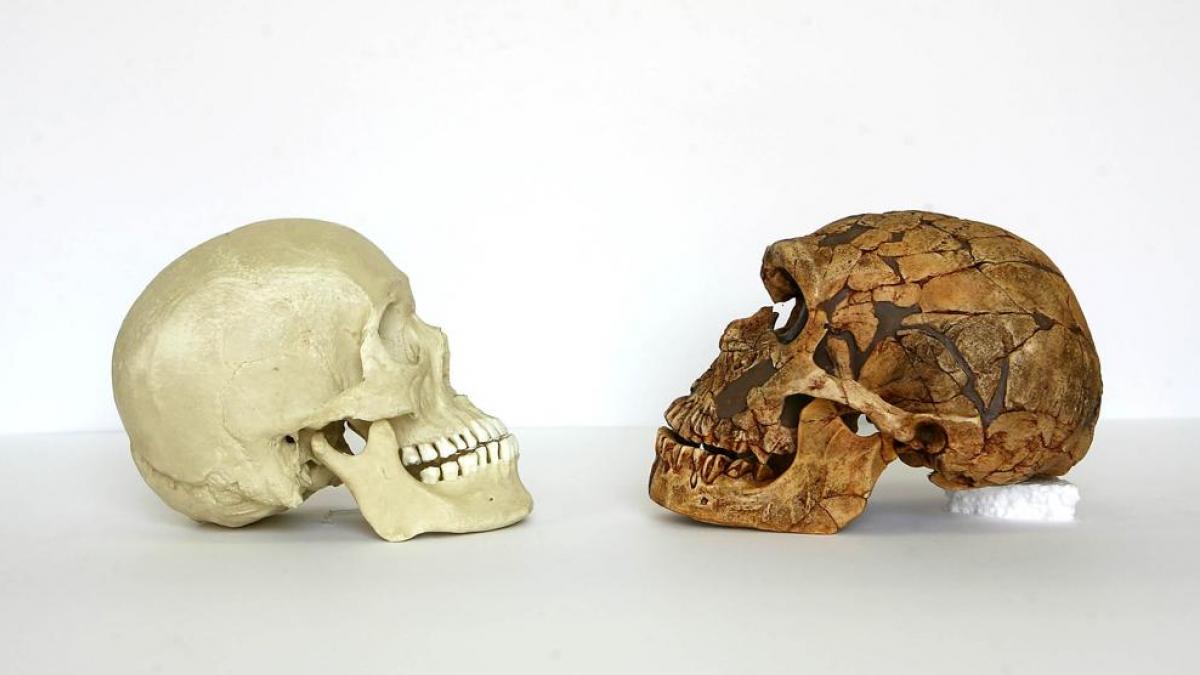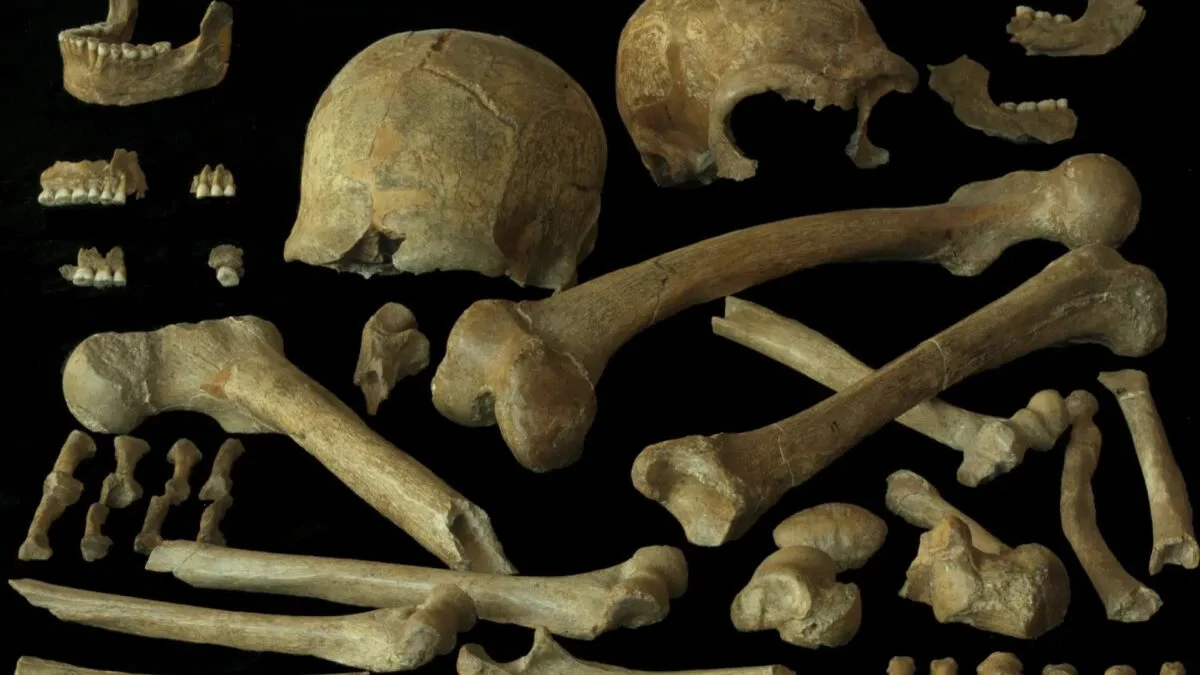
It’s rare that ancient DNA from Neanderthals remains as intact as scientists would like. But on the lucky occasion that researchers do find high-quality genomes, the implications are far-reaching—especially if they contradict some common assumptions about these long-gone hominins. In a study published today in Nature, researchers report results from DNA sequencing of 27 Neanderthal remains across ten sites in Belgium and France. The dataset includes the fifth high-quality Neanderthal genome constructed from mitochondrial remains. As a result, the team was able to conduct large-scale population analyses for late Neanderthal populations before their extinction around 40,000 years ago. The investigation revealed surprising trends in Neanderthal communities that contradict some popular assumptions and raise new questions about the livelihoods of these long-gone ancient humans. “This study highlights the power of ancient DNA to reveal variation within Neandertals on a much finer scale than was previously possible,” Janet Kelso, the study’s co-author and a researcher at the Max Planck Institute for Evolutionary Anthropology in Germany, said in a statement. “Rather than viewing late Neandertals as a single declining population, we are beginning to recognize a more complex picture of regional diversity, connectivity, and population history.”
The Last Neanderthals Weren't the Genetic Disasters We Thought
The ancient hominins were likely more diverse and lived in well-connected communities, a new study suggests.
727 words~3 min read