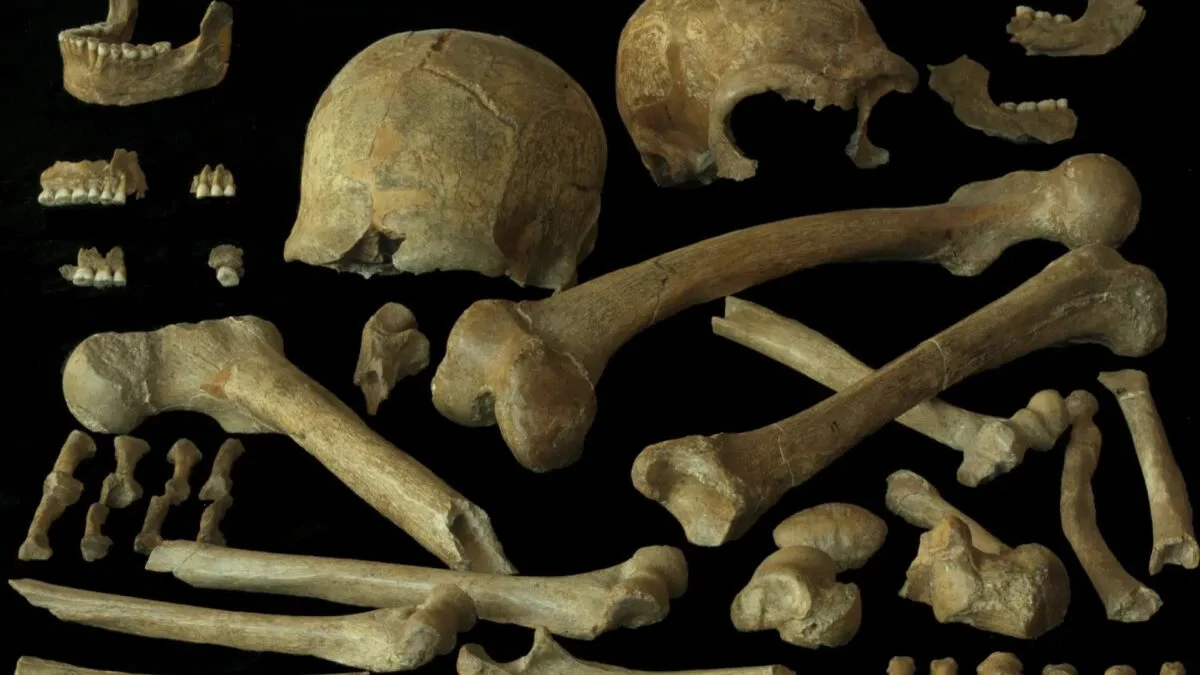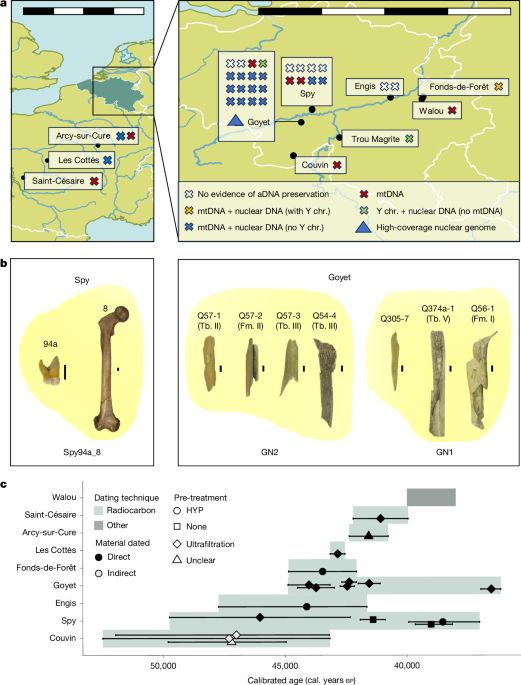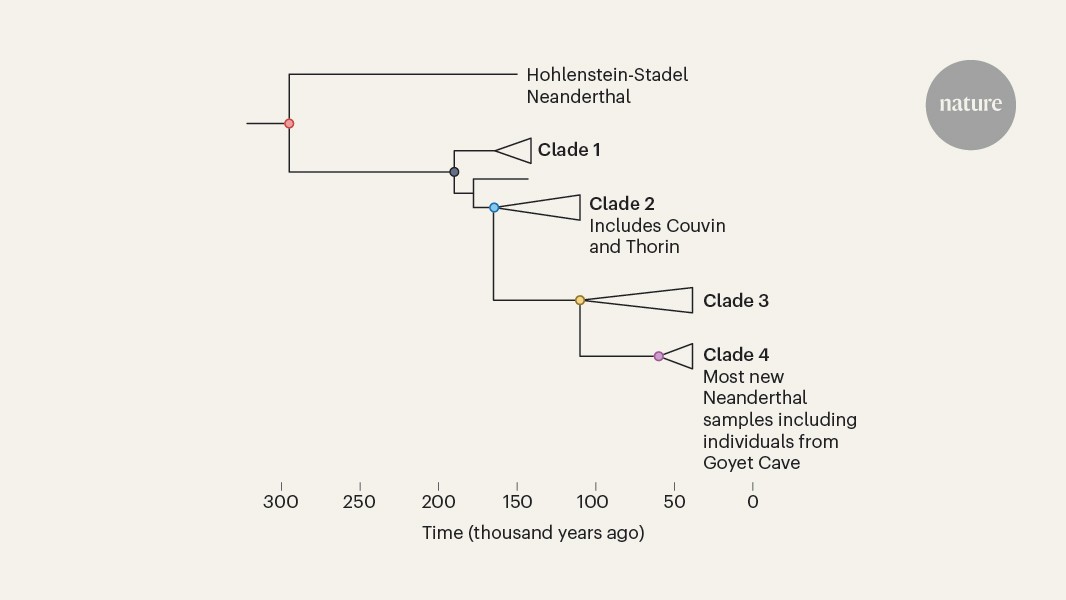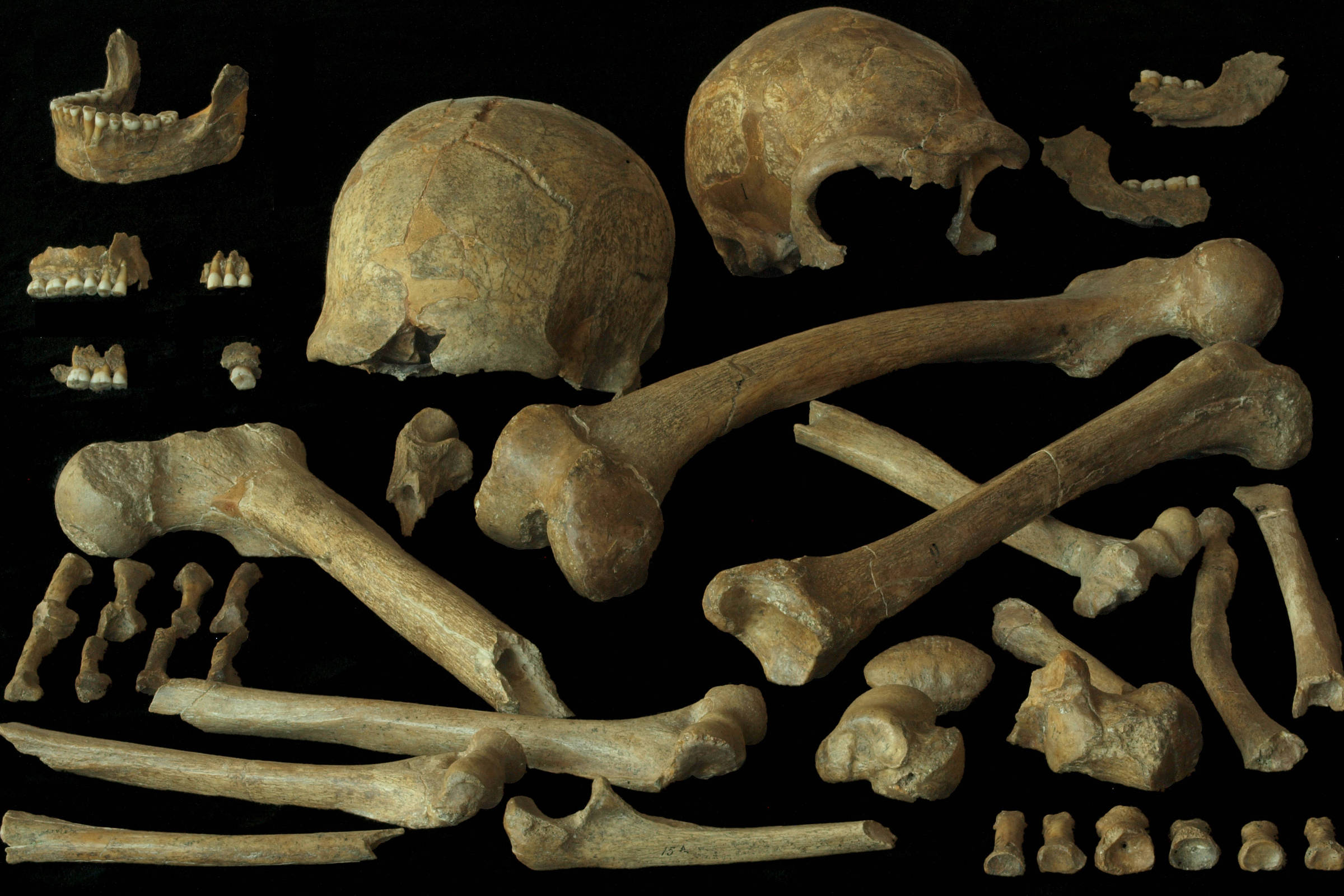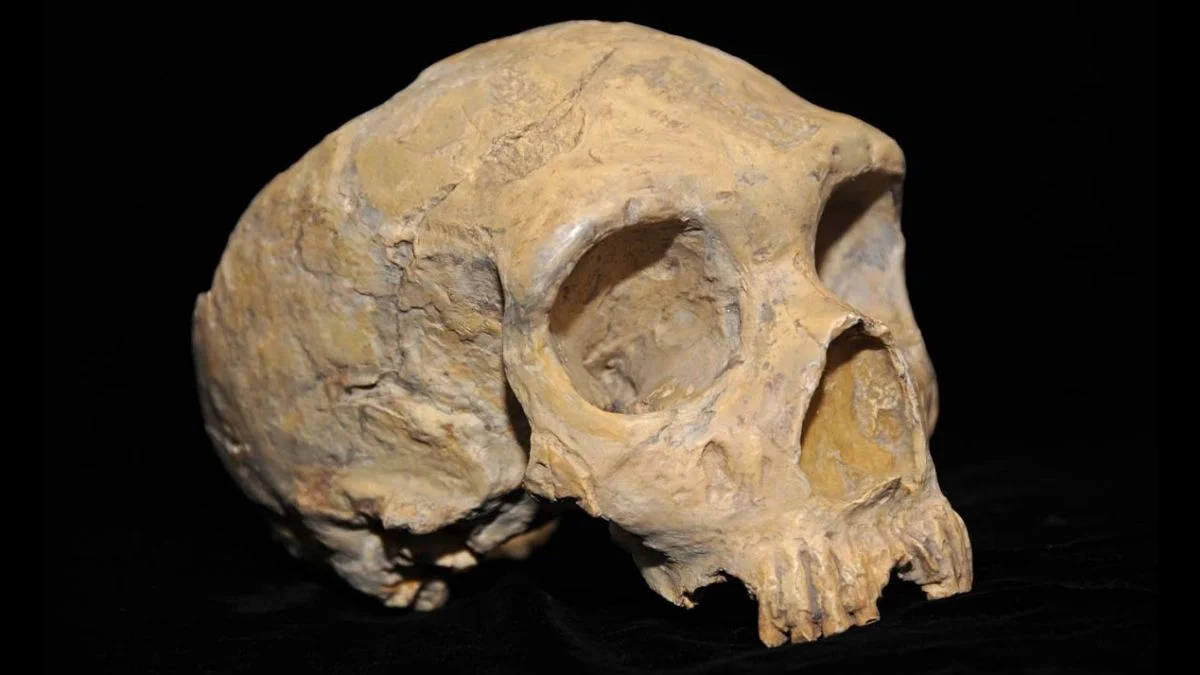
Genetic deterioration may not have been the major cause of Neanderthal extinction, new evidence suggests.In fact, new genetic analysis shows that some of the last Neanderthals to have lived before the extinction of their lineage were not particularly inbred.This flies in the face of prevailing theories that suggest genetic deterioration from inbreeding is the main reason our closest relatives disappeared roughly 40,000 years ago.Evolutionary anthropologist Alba Bossoms Mesa and team have re-examined the genetic remains of 27 Neanderthal individuals, in unprecedented detail. These Neanderthals were found in seven different locations across the Meuse Basin in Belgium, and two other locations in France.Map of the studied archaeological sites. For all sites, each cross represents a sample, colored according to the type of genetic data generated. (Bossoms Mesa et al., Nature, 2026)They represent some of the last surviving Neanderthal populations in northwestern Europe, living less than 52,500 years ago."The genetic data is new, but the specimens are not," Bossoms Mesa, who is based at the Max Planck Institute for Evolutionary Anthropology in Germany, told ScienceAlert. Some of the specimens were discovered as early as the 19th century. One of the individuals, named Engis 2, was actually the first Neanderthal specimen discovered (although it wasn't recognised as such until more than a century later).The most recently discovered specimen, a tooth known as the Walou molar, was excavated in 1997. "Some specimens were even 'rediscovered' in museum collections after having been misattributed to other species, as was the case for the Trou Magrite femur, identified as Neanderthal in 2015," Bossoms Mesa explained. Their remains have been in the hands of scientists for decades (if not centuries), but only now has it been possible to retrieve their genetic data at such a high resolution.And the results don't agree with that major theory of Neanderthal extinction."The genomes show no evidence of increasing genetic load or reduced diversity over time, providing little support for the hypothesis that genetic deterioration was the main cause of Neanderthal extinction," Bossoms Mesa told ScienceAlert.The population genetic model proposed for Neanderthals shows a number of genetically interconnected populations with low rates of inbreeding, late in the Neanderthal timeline. (Bossoms Mesa et al., Nature, 2026)"Our results do not rule out the possibility of demographic vulnerability… but they challenge the idea that Neanderthals disappeared mainly because their genomes steadily deteriorated," she added."Instead, late Neanderthals in Belgium and France appear to have been part of a connected, genetically diverse regional population during a period of profound ecological and demographic change."The study paints a picture of several Neanderthal populations spread across a large geographic area, from Belgium to Croatia, if not further.Within these populations, the level of inbreeding is low, the new analysis showed, but there was plenty of healthy 'cross-pollination' between groups. It seems previous interpretations might have been too narrow – the product of the Neanderthal specimens analyzed at the time. The skull of Engis 2, the first Neanderthal specimen discovered. It was recognized as Neanderthal in 1936, more than a century after its discovery in 1829. (Thilo Parg/Wikimedia Commons/CC BY-SA 3.0)"Until now, most high-coverage Neanderthal genomes came from older individuals in eastern Eurasia, particularly from Chagyrskaya and Denisova Caves," Bossoms Mesa explained. "These genomes showed relatively high levels of inbreeding. However, those populations lived somewhat earlier and at the easternmost known edge of Neanderthal distribution, which may have contributed to their relative isolation."Previous studies have suggested that geographic isolation might have made Neanderthals more vulnerable to sudden changes, contributing to their demise. It's also possible that the reasons Neanderthals disappeared might not be exactly the same in every place, but rather a mix of factors stemming from their environment and connections. This new analysis finds similarly:"Overall, the study suggests that late Neanderthals in north-western Eurasia were more interconnected and experienced less inbreeding than some of their earlier eastern counterparts," Bossoms Mesa said.However, an alternate theory to the Neanderthal population crash suggests Neanderthals may never have truly disappeared – and this new study adds another dimension to that line of thinking, too.Instead, Neanderthals may have 'folded in' to modern human populations, a theory supported by extensive evidence of Homo sapiens and Neanderthals hooking up right across Eurasia for tens of thousands of years.Neanderthal populations in northwestern Europe are thought to have inhabited the region alongside modern humans for up to 500 generations, giving them ample time to entwine their genetic branches. Interestingly, the new analysis suggests the flow of genetic material only went one way: Humans 'absorbed' some Neanderthal DNA into their genomes, but maybe not the other way around. Related: Neanderthals May Never Have Truly Gone Extinct, Study RevealsHowever, the genetic traces that remain may be a reflection of the timing of those interactions – or where they took place."We have several examples of early modern humans who had Neanderthal ancestors only a few generations back (effectively Neanderthal great-great-great-grandparents)," Bossoms Mesa pointed out. "However, we do not yet have a single example of a Neanderthal individual with a recent modern human ancestor in their immediate family tree."That's something they're going to keep looking for, because understanding this asymmetry could be important to deciphering our shared history. The research was published in Nature.
Ancient DNA Reveals a Genetic Surprise in The Last Neanderthals
Genetic deterioration may not have been the major cause of Neanderthal extinction, new evidence suggests.
859 words~4 min read