Working with concurrent electroencephalogram and functional magnetic resonance imaging technology at the Beckman Institute's Biomedical Imaging Center, postdoctoral researcher Suhnyoung Jun and her colleagues have investigated how the brain connectome's dynamics unfold across different timescales, captured by these two technologies at the same time. The team's paper is published in the journal Proceedings of the National Academy of Sciences.
Jun has always been interested in brains. She is the co-first author of the paper, which centers on the connectome, the comprehensive neural network within the brain. She works in the CONNECTlab with psychology professor Sepideh Sadaghiani.
In her previous research, Jun focused on heritable features, or traits passed from parents to children through DNA, centering on how patterns of communication within the connectome change over time. For this research, she used either fMRI or EEG data. At the time, she was analyzing each modality separately.
One brain, several streams
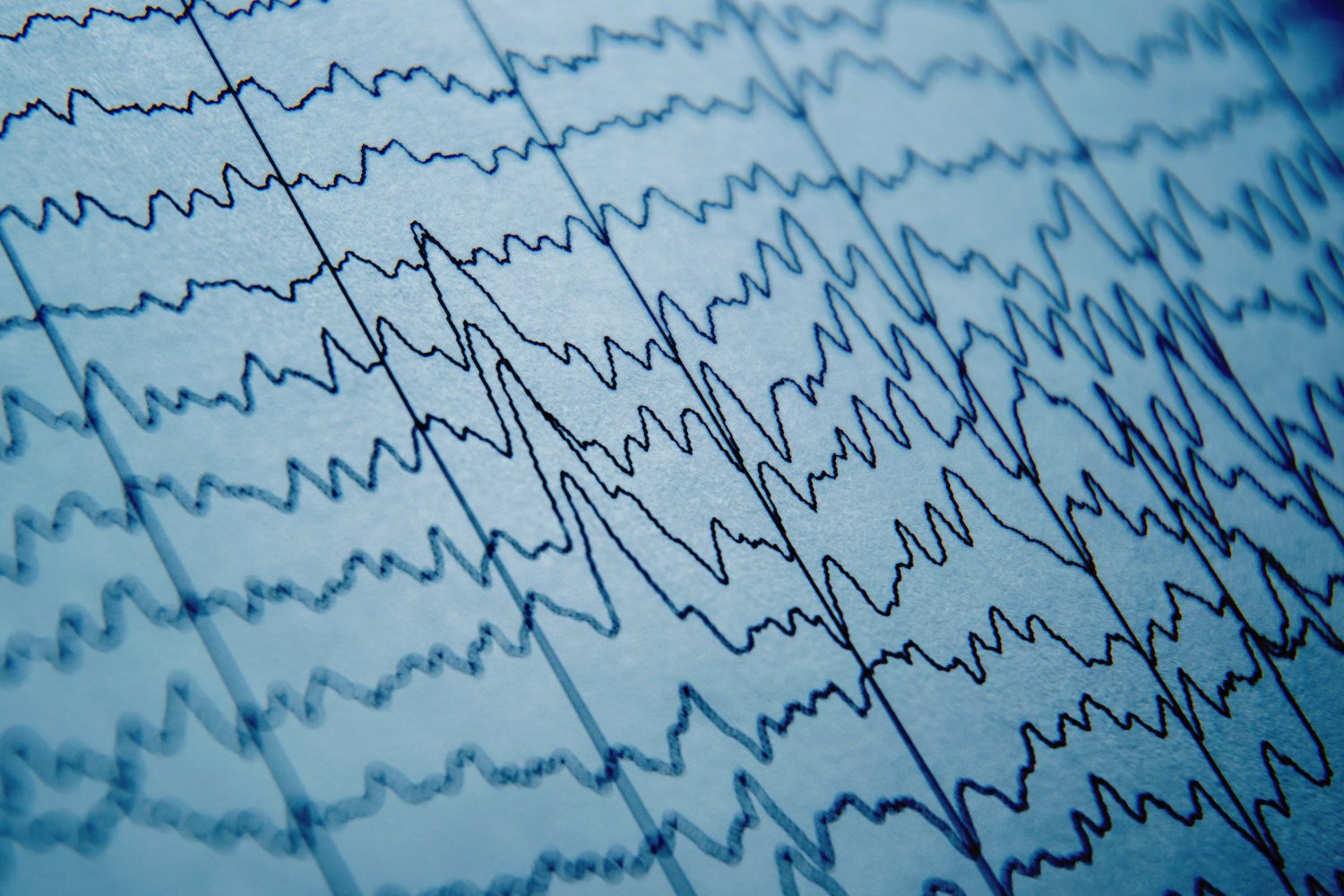
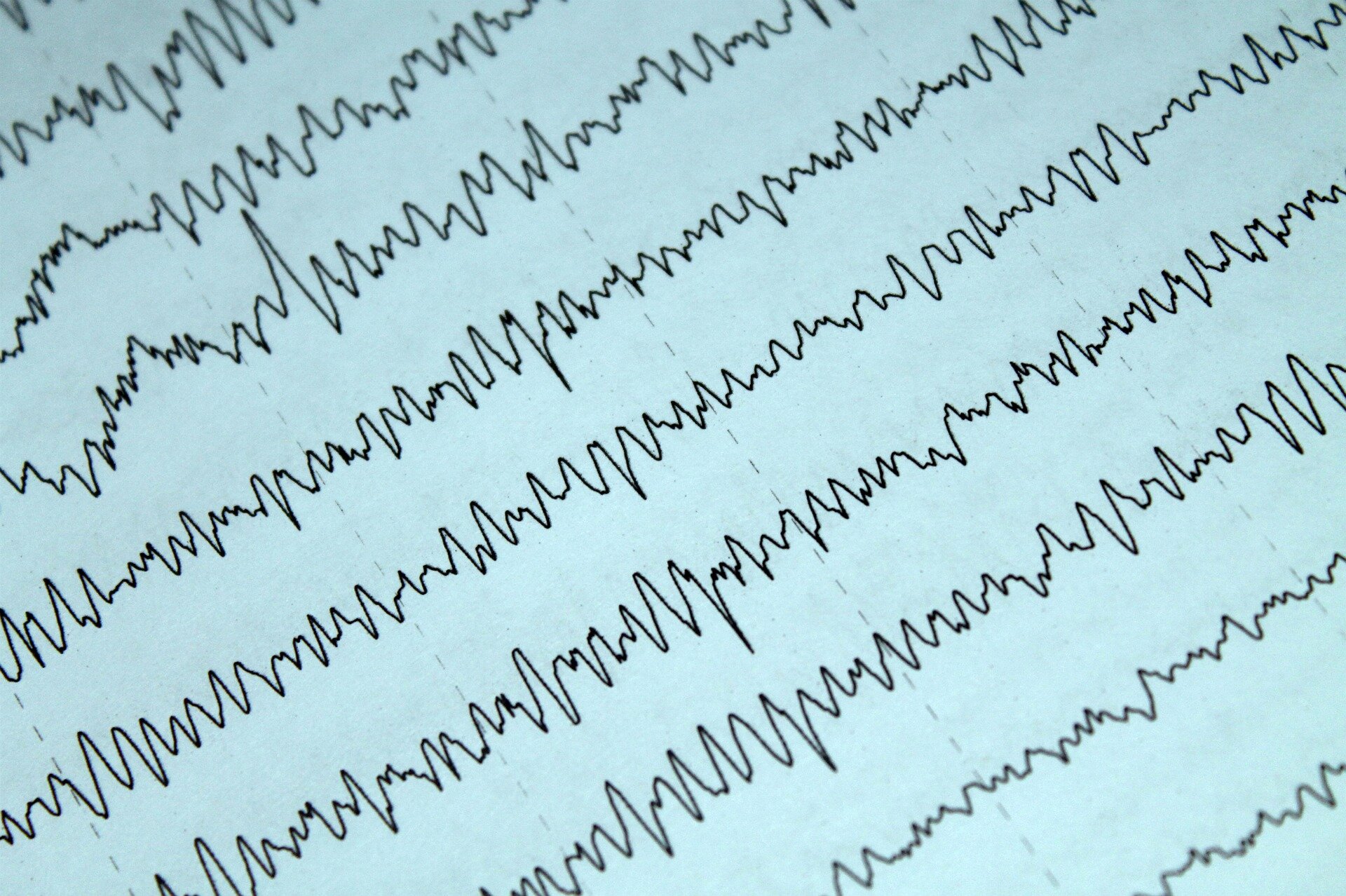
fMRI captures brain activity indirectly through changes in blood oxygenation at slow timescales, while EEG measures electrophysiological signals at much faster timescales. For years, many people assumed both modalities were capturing the same underlying brain activity at different speeds, with fMRI simply a slowed-down version of the EEG signal.