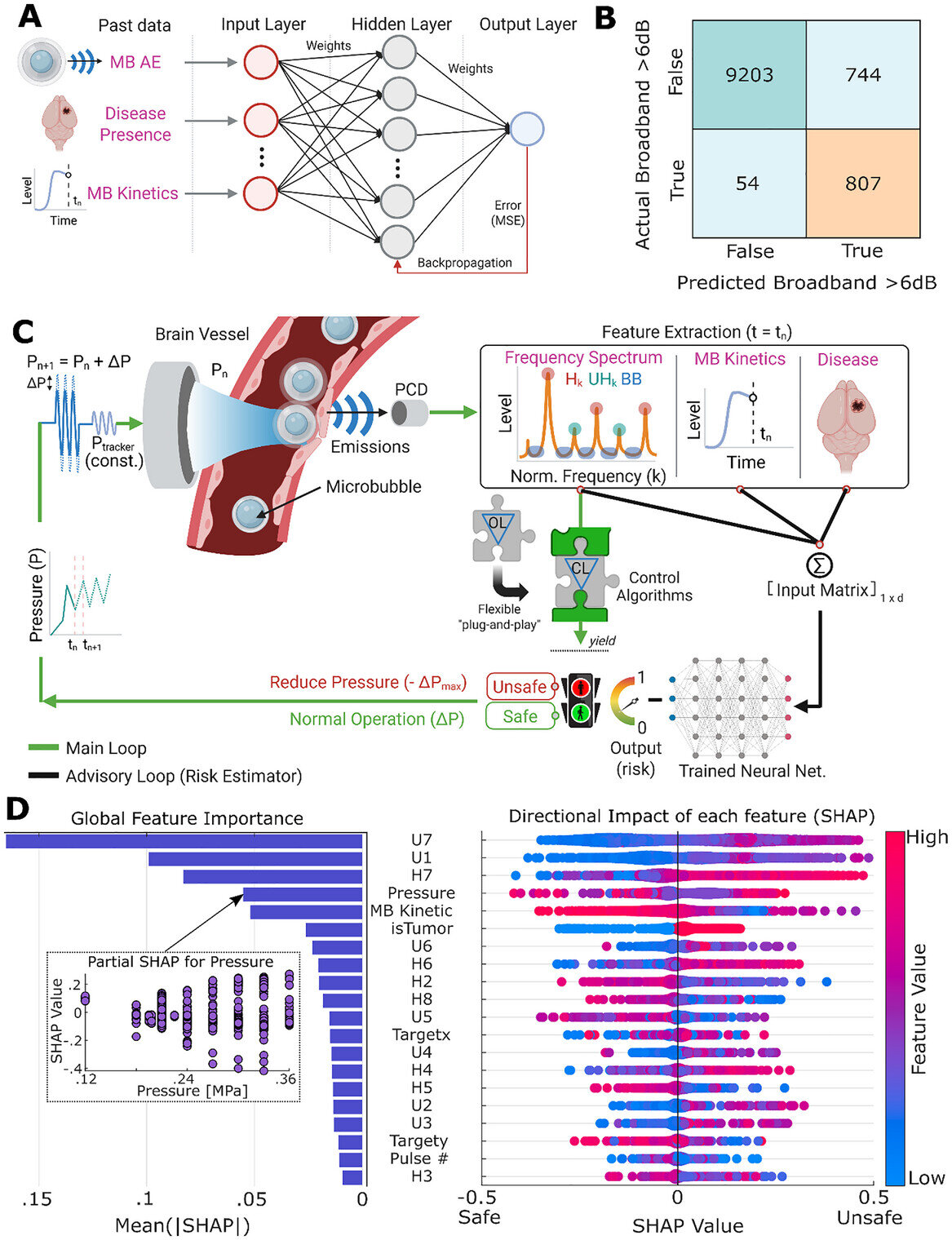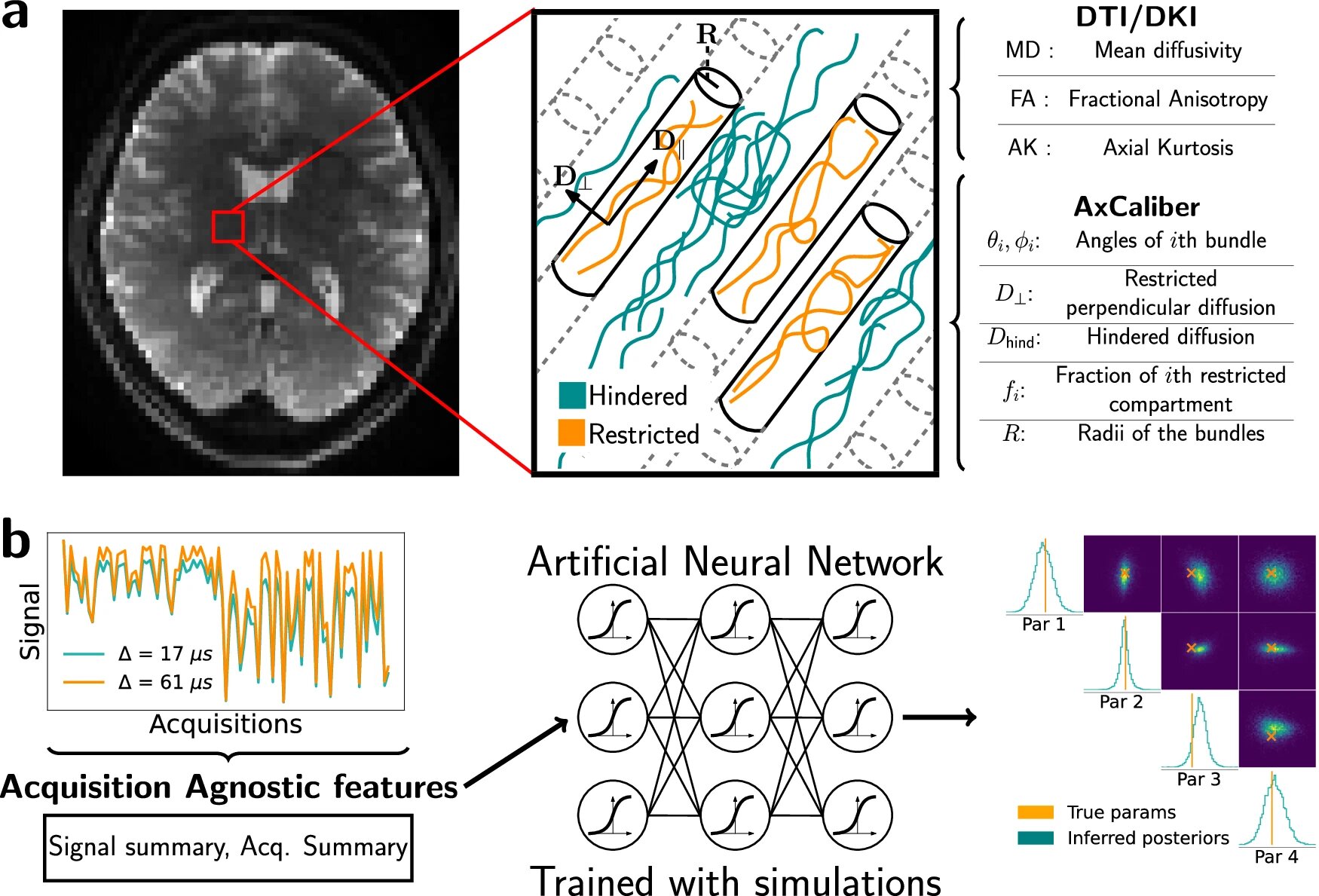
Overview of the dMRI data processing and analysis pipeline. Credit: Communications Medicine (2026). DOI: 10.1038/s43856-026-01614-6
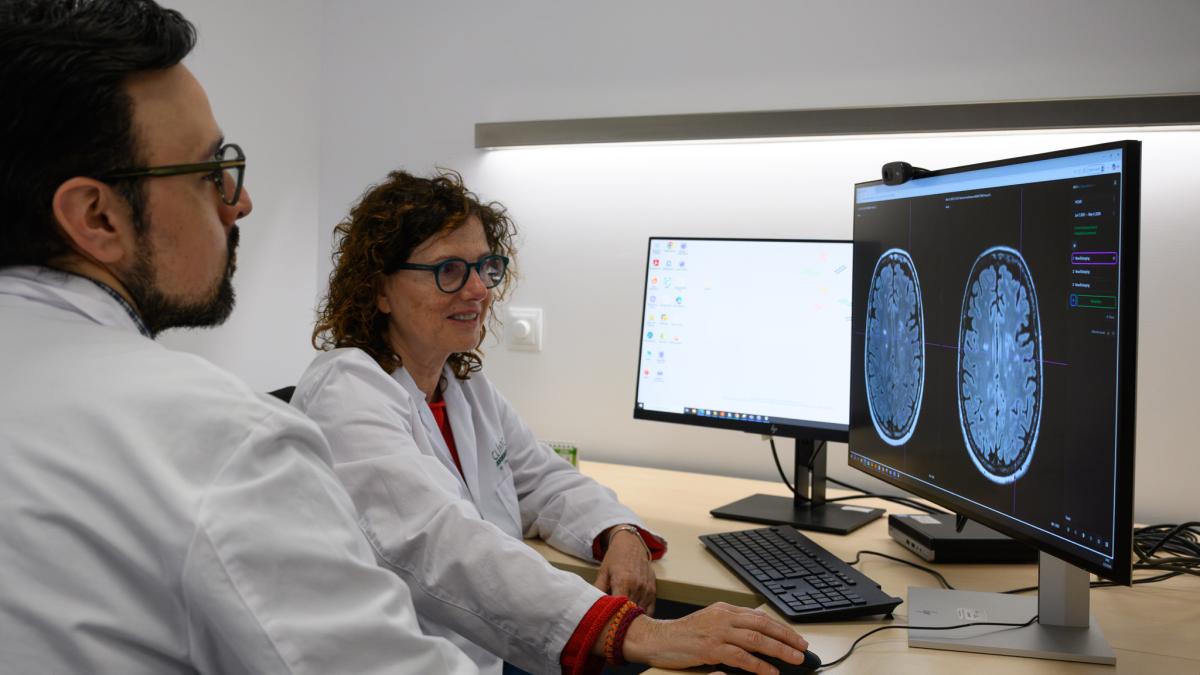
Two researchers at the Institute for Neurosciences (IN), a joint center of the Spanish National Research Council (CSIC) and the Miguel Hernández University of Elche (UMH), have developed a new strategy based on artificial intelligence and computer simulations that makes it possible to obtain detailed brain information more quickly from MRI scans using far less data than usual. The method, published in the journal Communications Medicine, can reduce the time required for certain advanced MRI scans by up to 90% while maintaining a high level of accuracy, paving the way for more efficient and accessible neuroimaging in clinical settings.
The study proposes a shift in the way artificial intelligence is applied to neuroimaging. Instead of training models using real patient data, as is common in many current applications, the team used a model based on the physics of the diffusion process in brain tissue to generate simulations. These data are then used to train neural networks to estimate model parameters that serve as biomarkers indicating the state of the tissue using a very small number of resonance images.