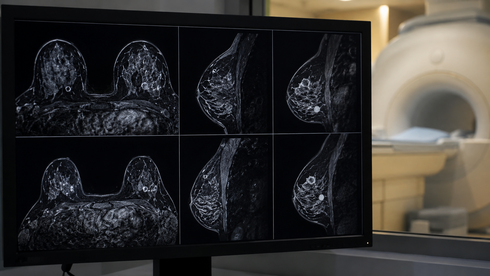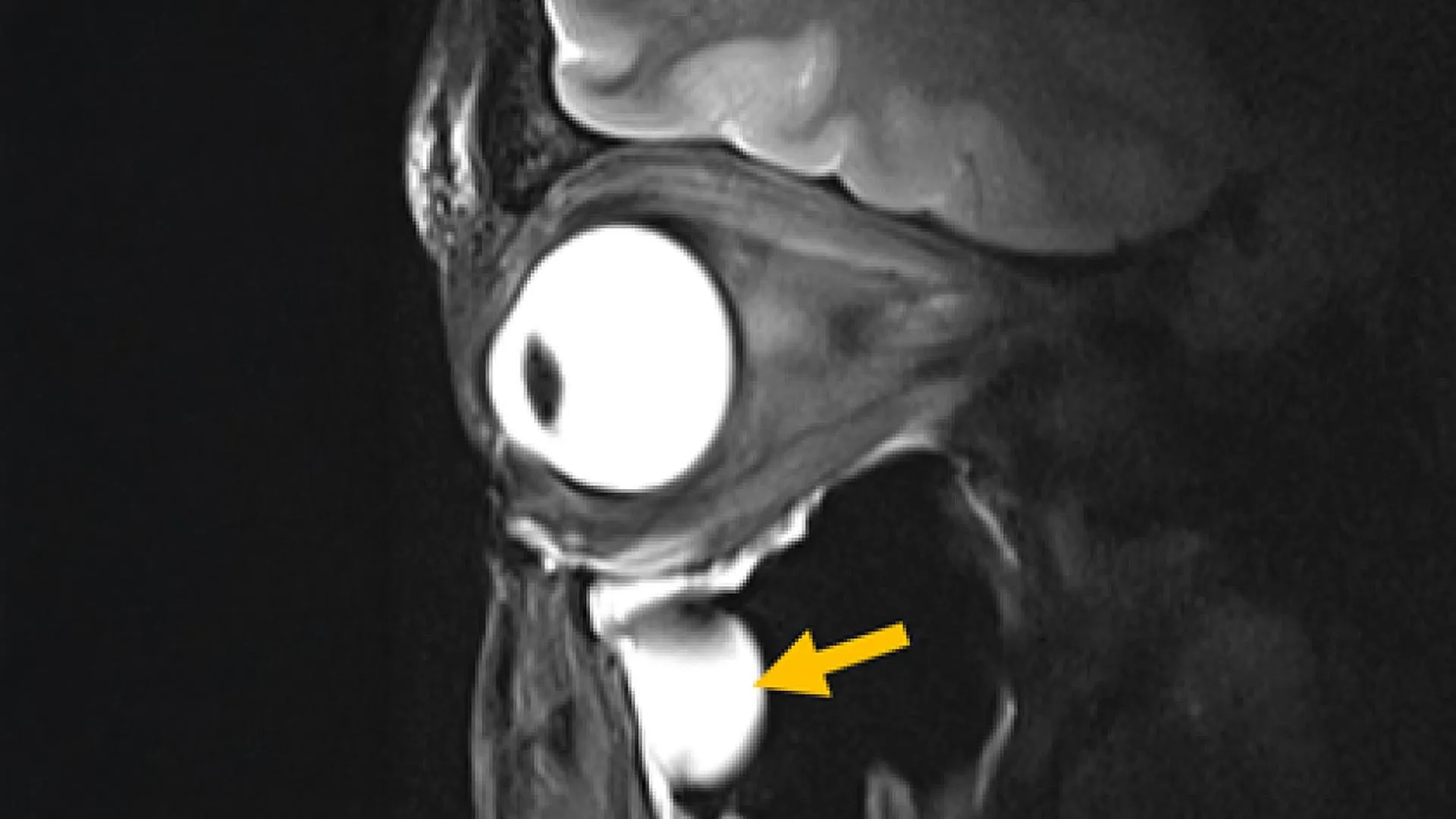
Magnetic resonance imaging (MRI) is one of the most valuable tools doctors use to diagnose disease. Yet even with today's advanced scanners, producing clear images of some areas remains difficult. Deep brain structures and the delicate tissues of the eye and surrounding orbit are especially challenging because of the hardware responsible for transmitting and receiving radiofrequency signals.
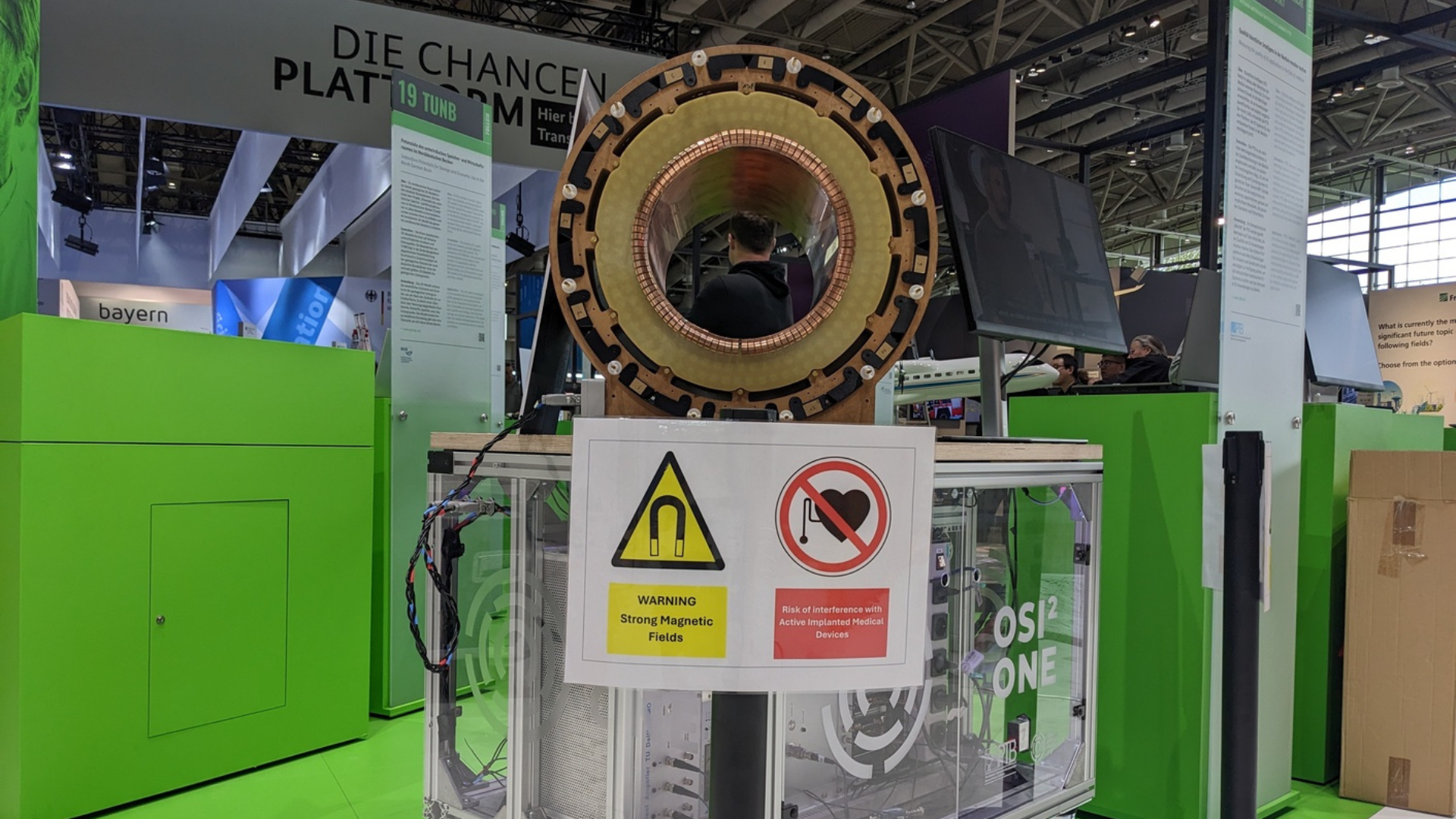
Now, a team led by Nandita Saha, a doctoral student in Professor Thoralf Niendorf's Experimental Ultrahigh Field Magnetic Resonance laboratory at the Max Delbrück Center, has developed a new MRI antenna based on advanced engineered materials. The innovation produces sharper images in less time and can be integrated into existing MRI systems rather than requiring entirely new machines. Their findings were published in Advanced Materials.
The project brought together experts in MRI physics, clinical ophthalmology, and translational imaging from the Max Delbrück Center and Rostock University Medical Center. Researchers in Rostock are also helping validate the technology for future clinical use.
"By using concepts from metamaterials, we were able to guide radiofrequency fields more efficiently and demonstrate how advanced physics can directly improve medical imaging," says Niendorf, senior author of the paper. "This work shows a pathway toward faster, clearer MRI scans that could benefit patients in many clinical areas."