A new advance from Carnegie Mellon University researchers could reshape how clinicians identify the brain regions responsible for drug-resistant epilepsy. Surgery can be a life-changing option for millions of epilepsy patients worldwide, but only if physicians can accurately locate the epileptogenic zone, the area where seizures originate.
Bin He, professor of biomedical engineering, and his team have developed a unified, machine learning-based approach called spatial-temporal-spectral imaging (STSI) to assist. It is the first technology capable of analyzing every major type of epileptic brain signal within a single computational framework. Their work, published in PNAS, presents a technical breakthrough and promising new direction for noninvasive presurgical planning.
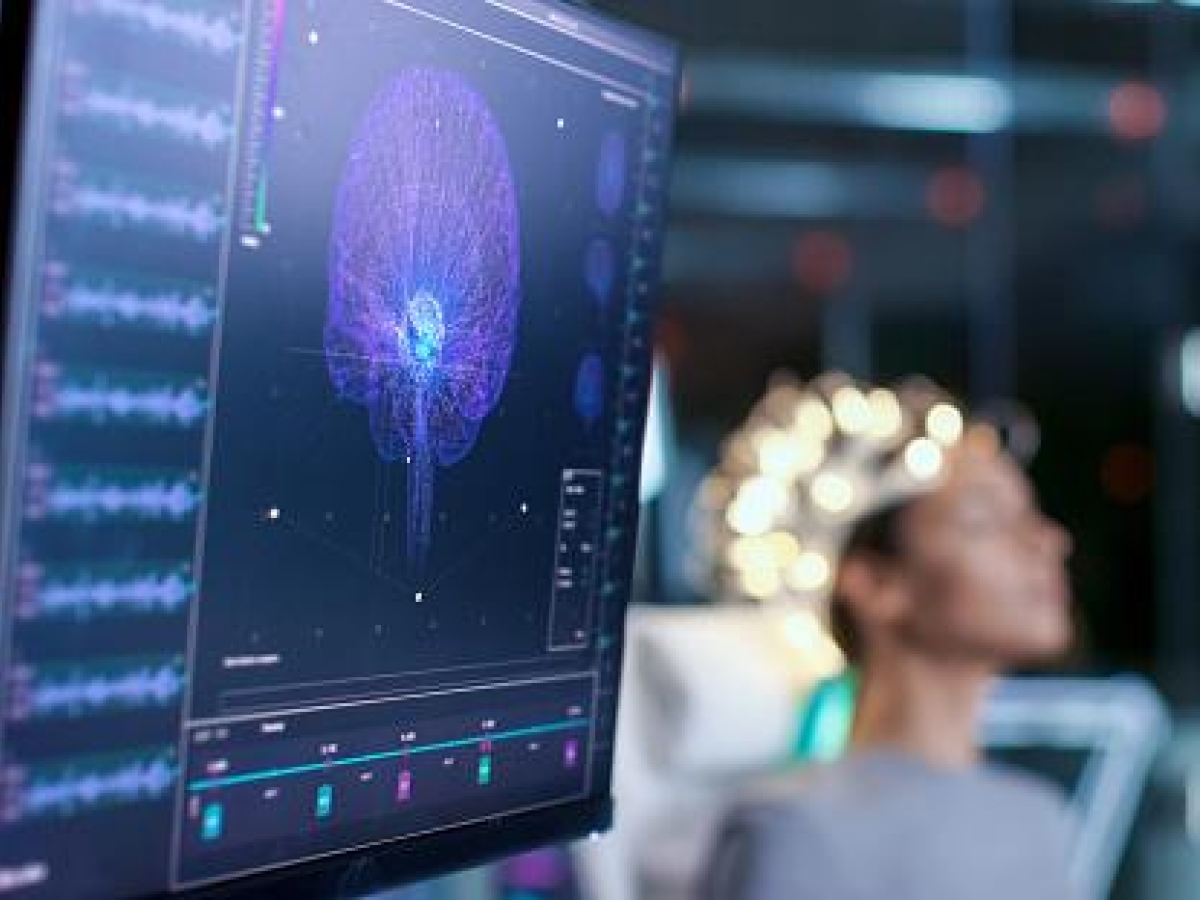
Today, most epilepsy centers rely on invasive intracranial electroencephalography (EEG) recordings to determine seizure onset. Patients may be monitored for days or weeks until a seizure naturally occurs. Although the method is accurate, it is time-consuming, costly, and physically taxing. Noninvasive scalp EEG holds great potential as a safer alternative, but clinicians have lacked clarity on which biomarkers, such as spikes, high-frequency oscillations (HFOs), or seizures, are most reliable for pinpointing seizure-generating tissue. Each biomarker has traditionally required its own analysis pipeline, which has left the field without a unified way to compare them.