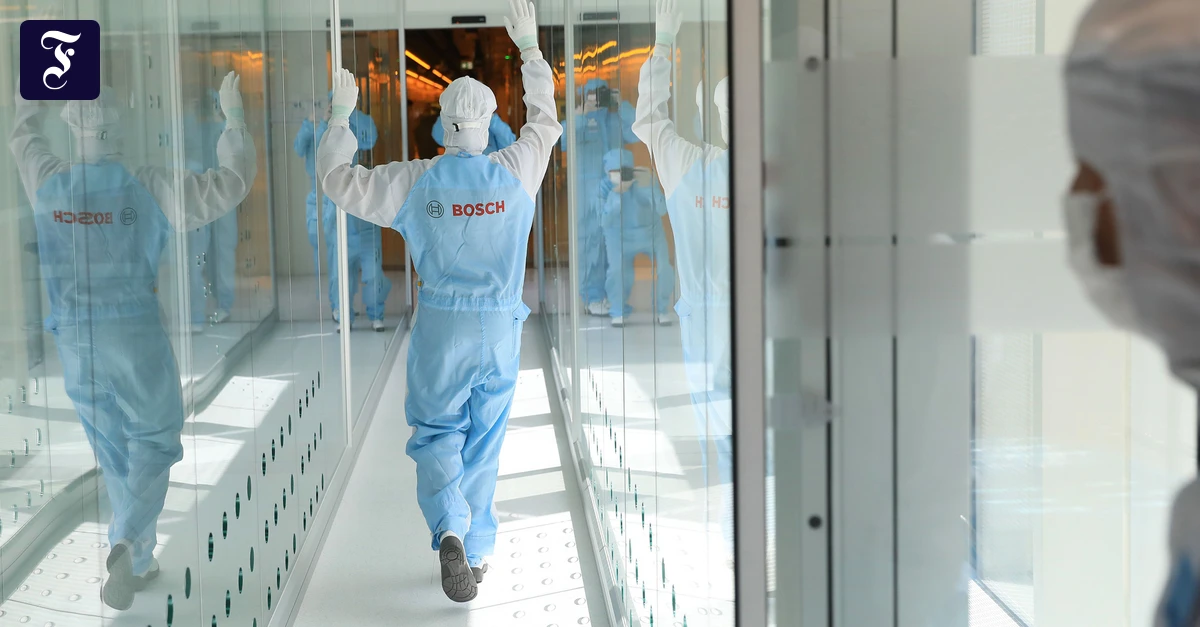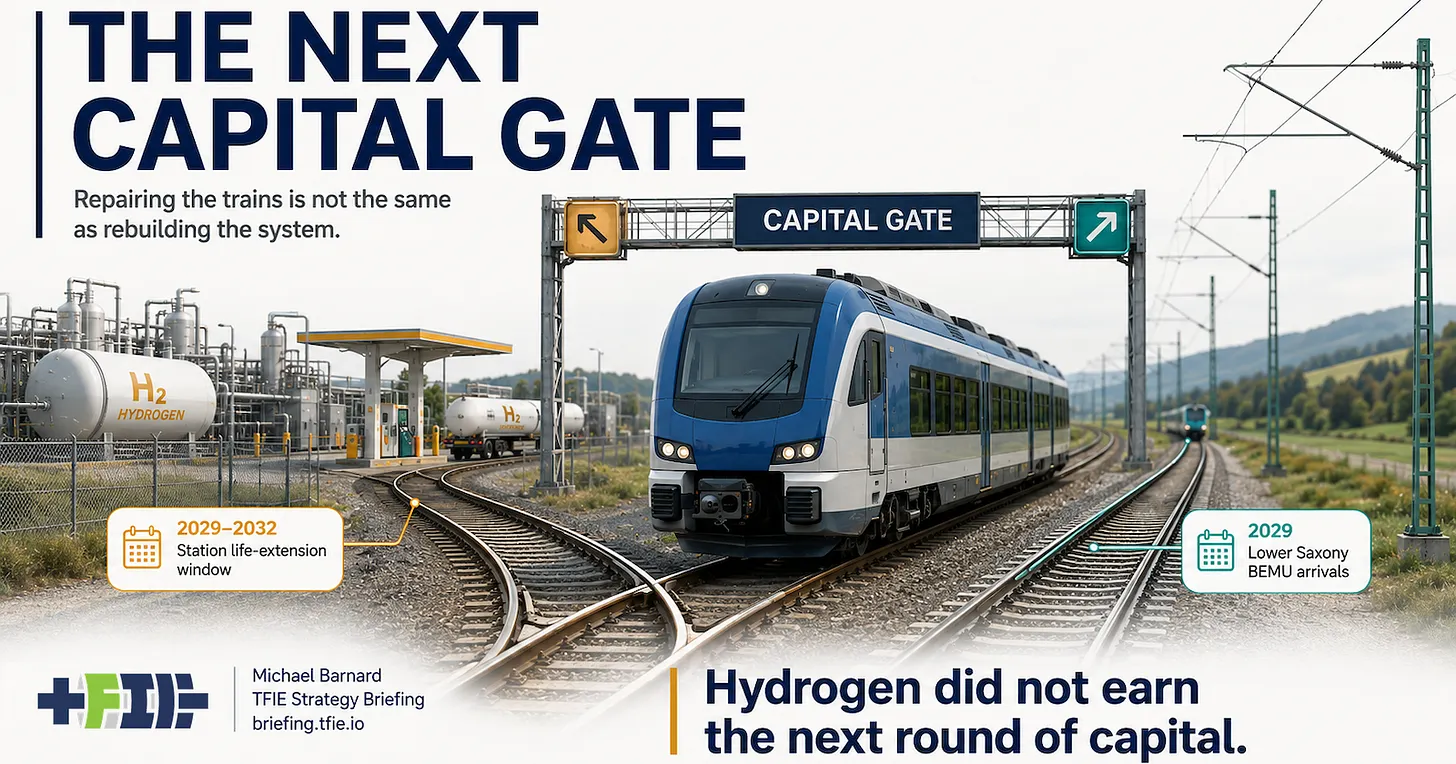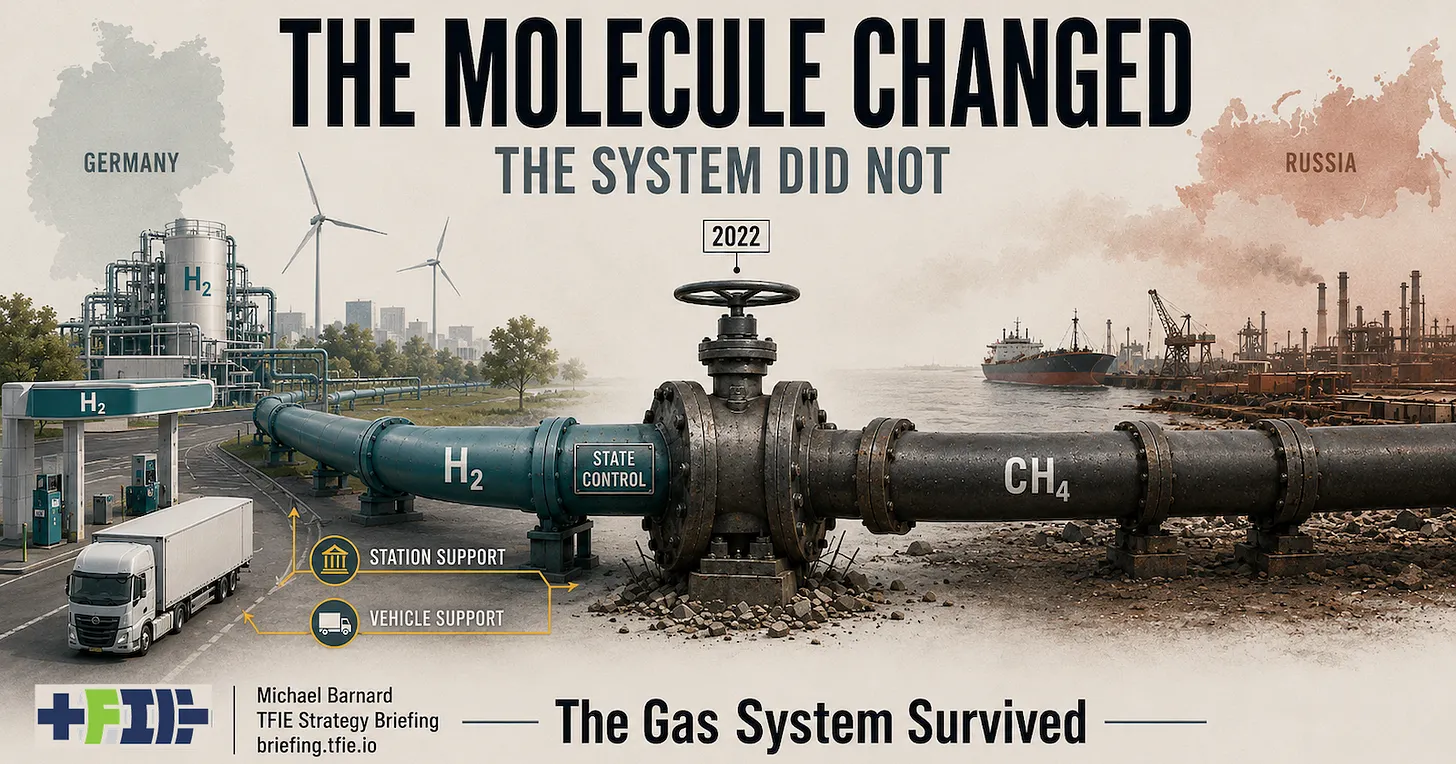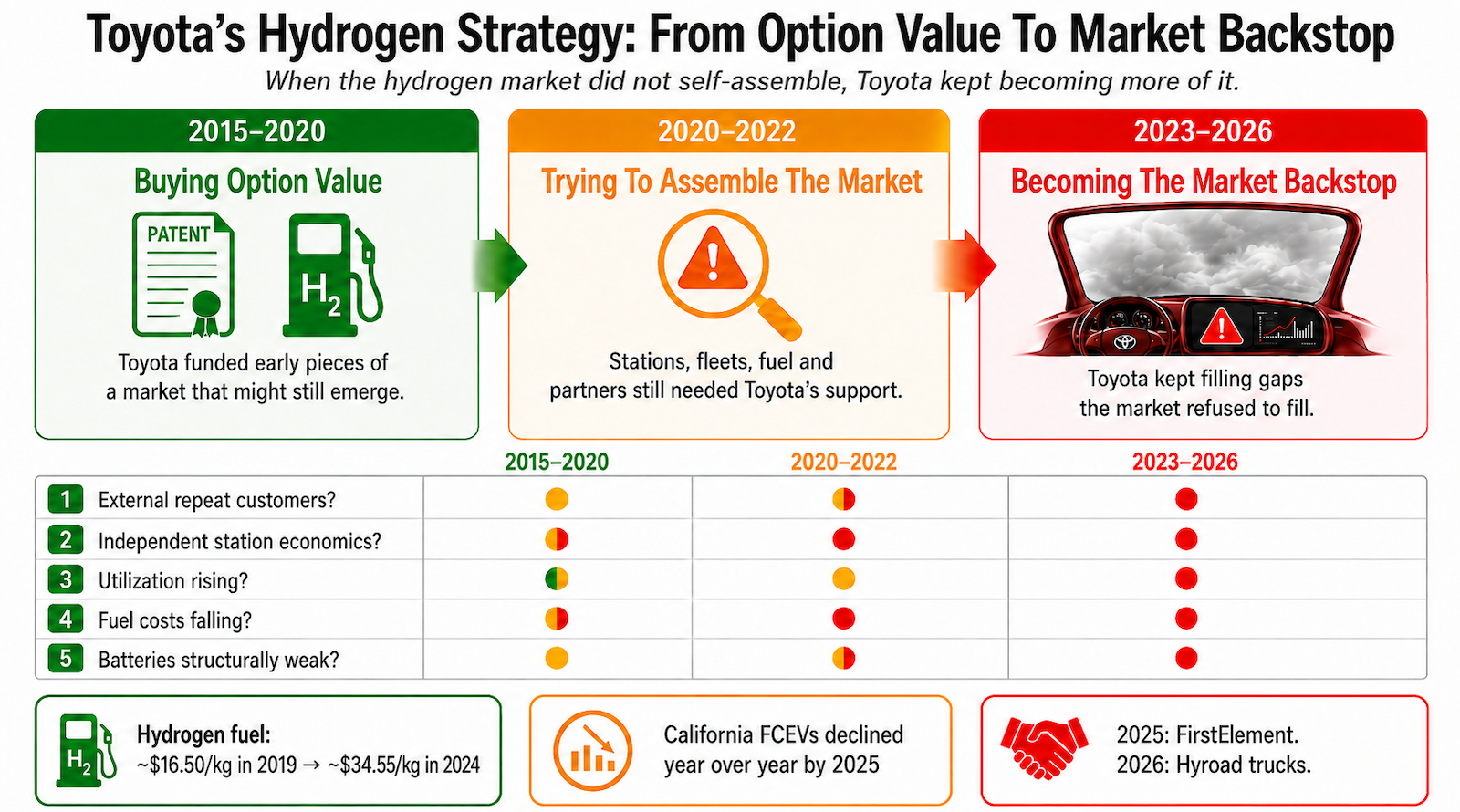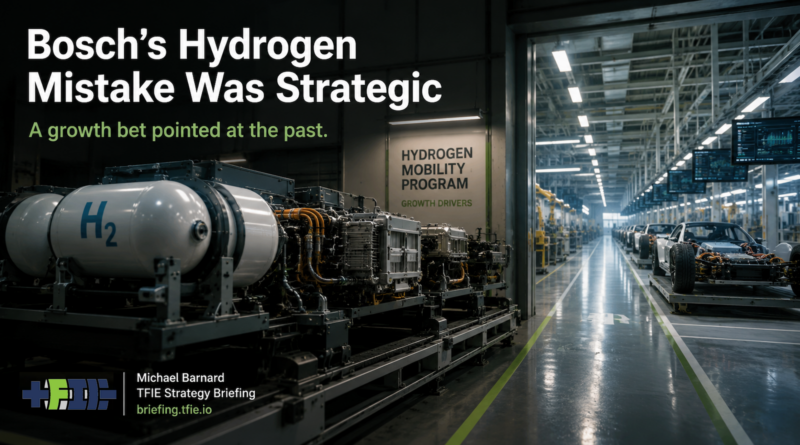
Bosch could afford the hydrogen spend. The strategic risk was treating fuel-cell mobility as a growth path while automotive value moved toward batteries, software and electric platforms.
Support CleanTechnica's work through a Substack subscription or on Stripe.
Bosch’s hydrogen story is easy to misread. Stefan Hartung is leaving the top job earlier than expected, Christian Fischer takes over on July 1, and the company is coming off a difficult 2025. The tempting version is simple: Bosch bet wrong on hydrogen, and the bill came due.
That is too shallow. Bosch is not a fragile startup that staked its survival on fuel cells. It reported €91.0 billion in sales, roughly 413,000 employees, and Mobility still represented 61.4% of revenue. Its hydrogen program was significant, but not company-ending. Bosch said it would invest nearly €2.5 billion in hydrogen technologies between 2021 and 2026, a little over €400 million a year. Against €7.9 billion in annual R&D and €4.1 billion in capital expenditure, that was meaningful money, not an existential wager.
The strategic issue was what that money, management attention, engineering time, and transition narrative were asked to do. Bosch did not merely keep a small scouting team around an uncertain future. It described hydrogen as a strategic growth field, expected roughly €5 billion in hydrogen-technology sales by 2030, and had more than 3,000 people working on hydrogen technologies. In its 2023 technology-day materials, Bosch said nearly two thirds of its 2021 to 2026 hydrogen investment would go into the fuel-cell powertrain.