Support CleanTechnica's work through a Substack subscription or on Stripe.
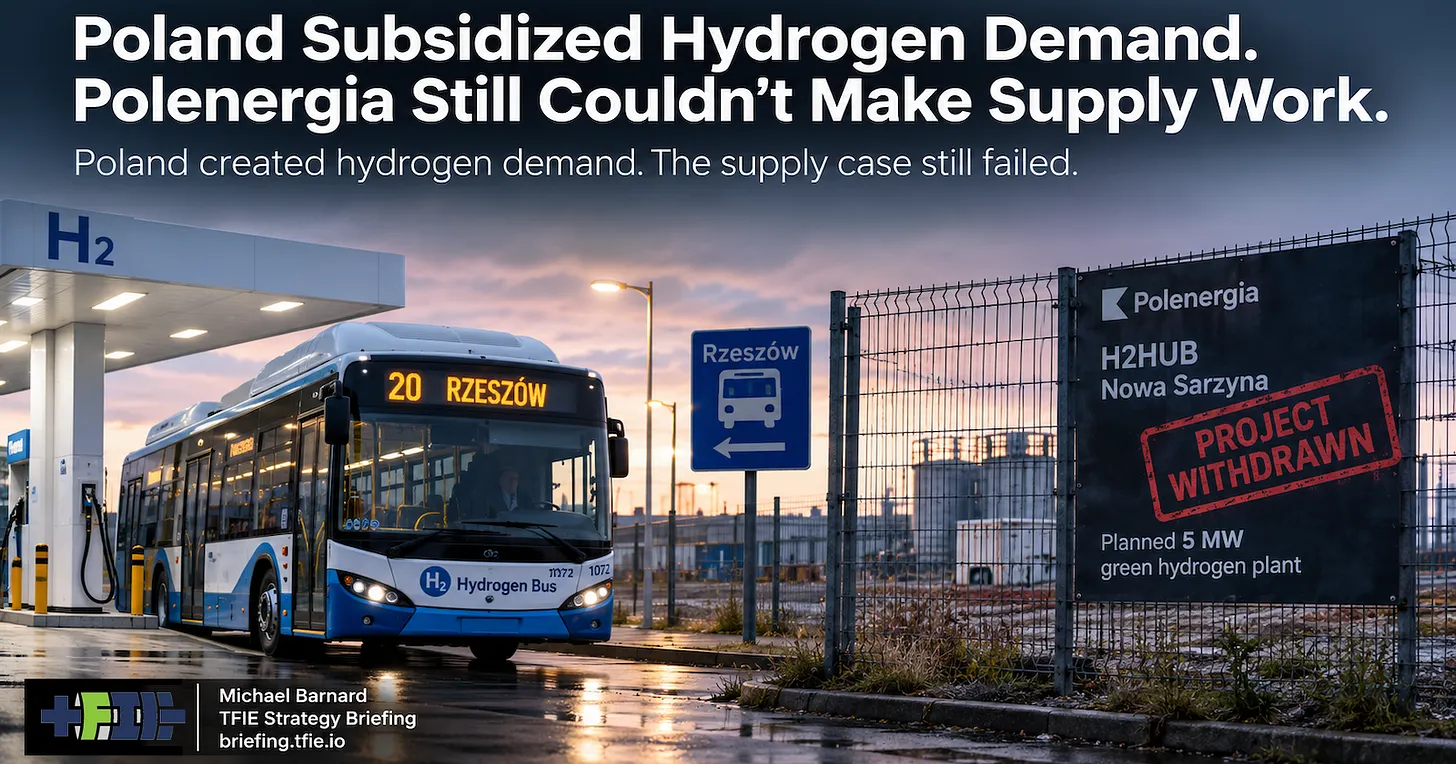
The global green hydrogen industry has had its share of ups and downs, with downs playing a featured role in some regions due to high costs and off-taker skittishness. Just a few years ago, for example, the EU and UK developed plans to decarbonize the hydrogen supply chain, only to see the path littered with failed projects and missed goals. Still, the war in Iran has added a national security wrinkle to the case for green hydrogen, and a new wave of activity has begun to stir.
Europe And The Green Hydrogen State Of Play
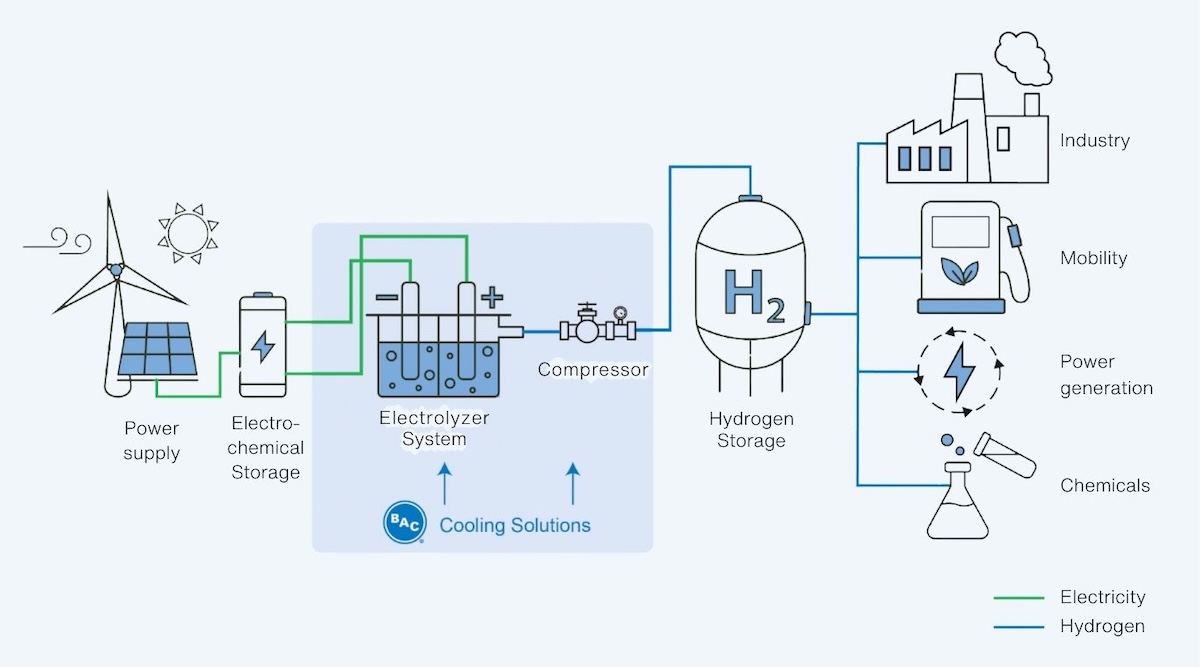
Green hydrogen refers to hydrogen pushed from water with a jolt of electricity from renewable sources, providing a more sustainable alternative to conventional hydrogen derived from natural gas or coal. Various kinds of biomass and waste materials also offer more sustainable sourcing, but much of the public and private investor dollars have gone into water electrolysis.
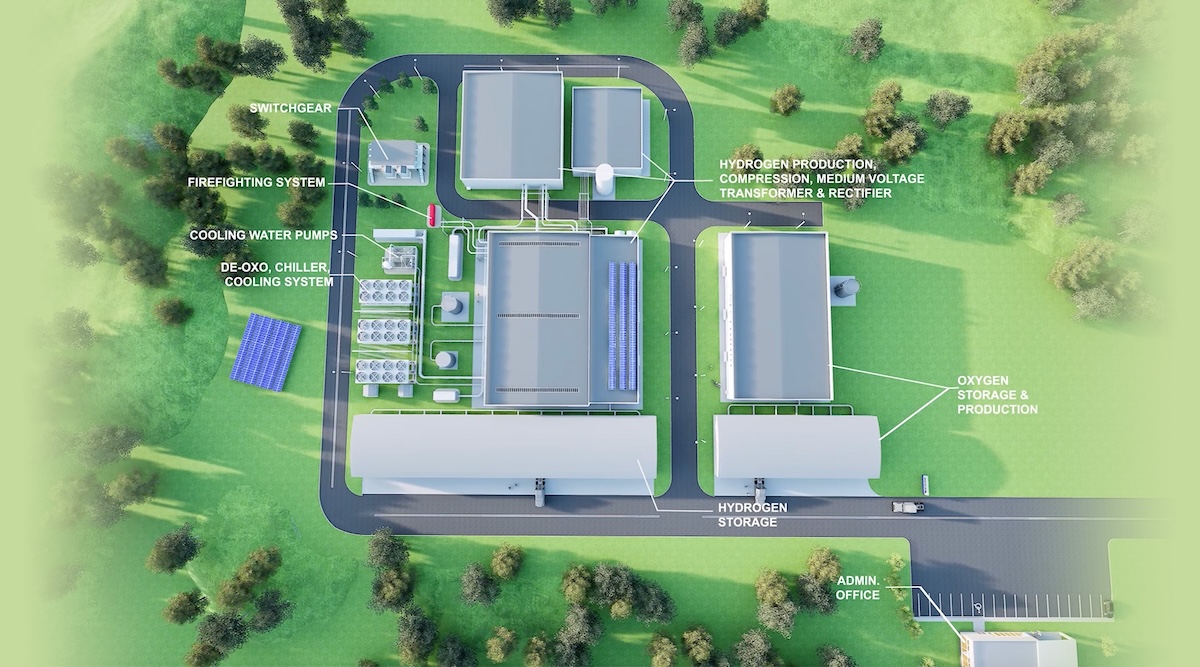
In the years leading up to and following Russia’s invasion of Urkraine, proposals for integrated “hydrogen valleys” surfaced in the EU (here’s another example), consisting of green hydrogen production facilities networked with transportation, storage, and offtakers.