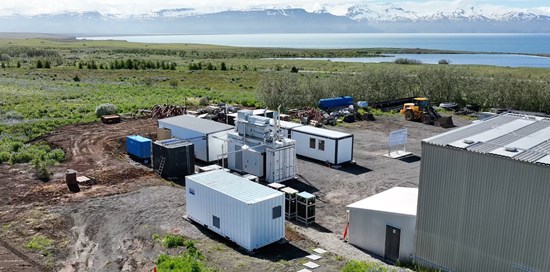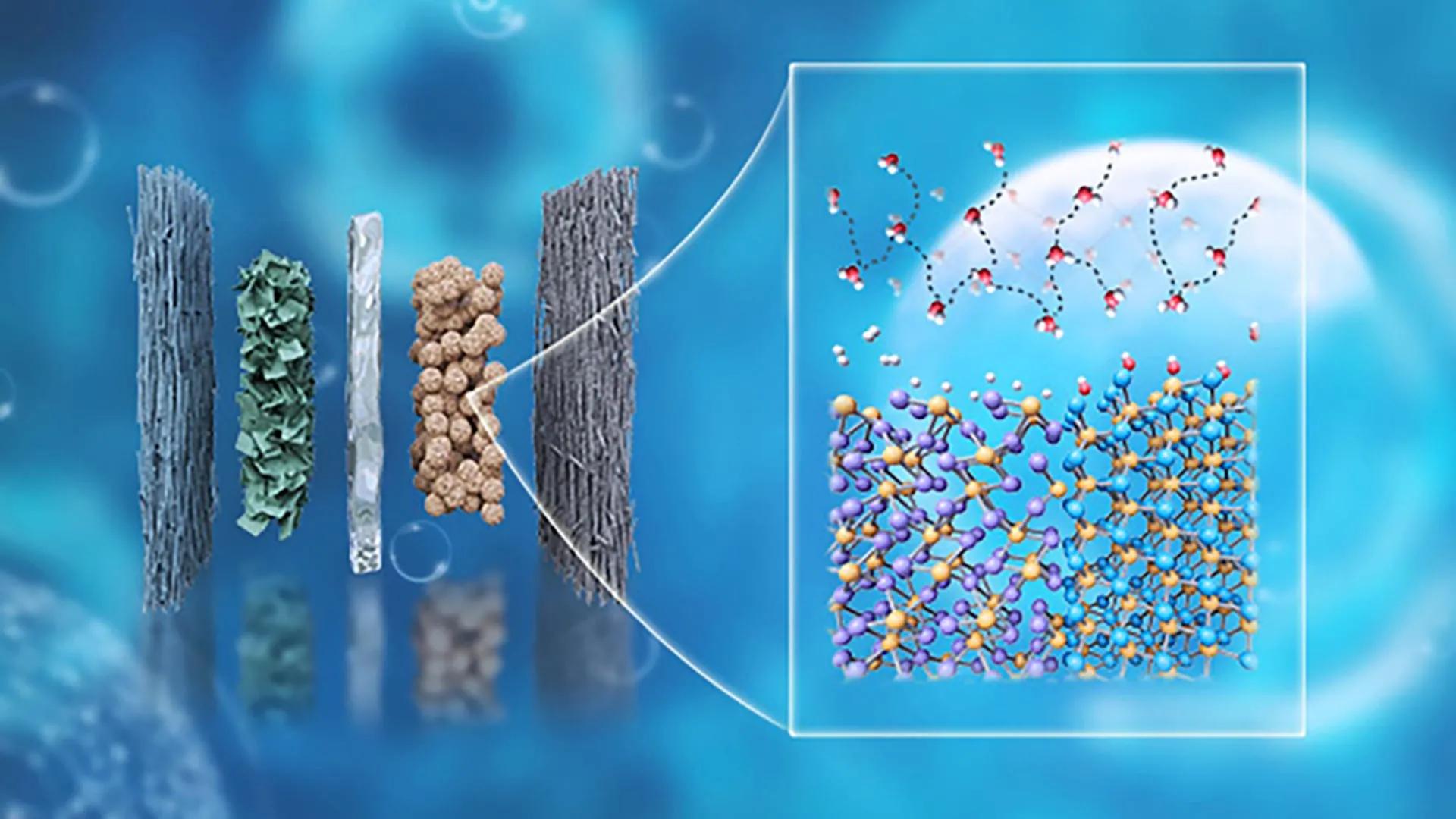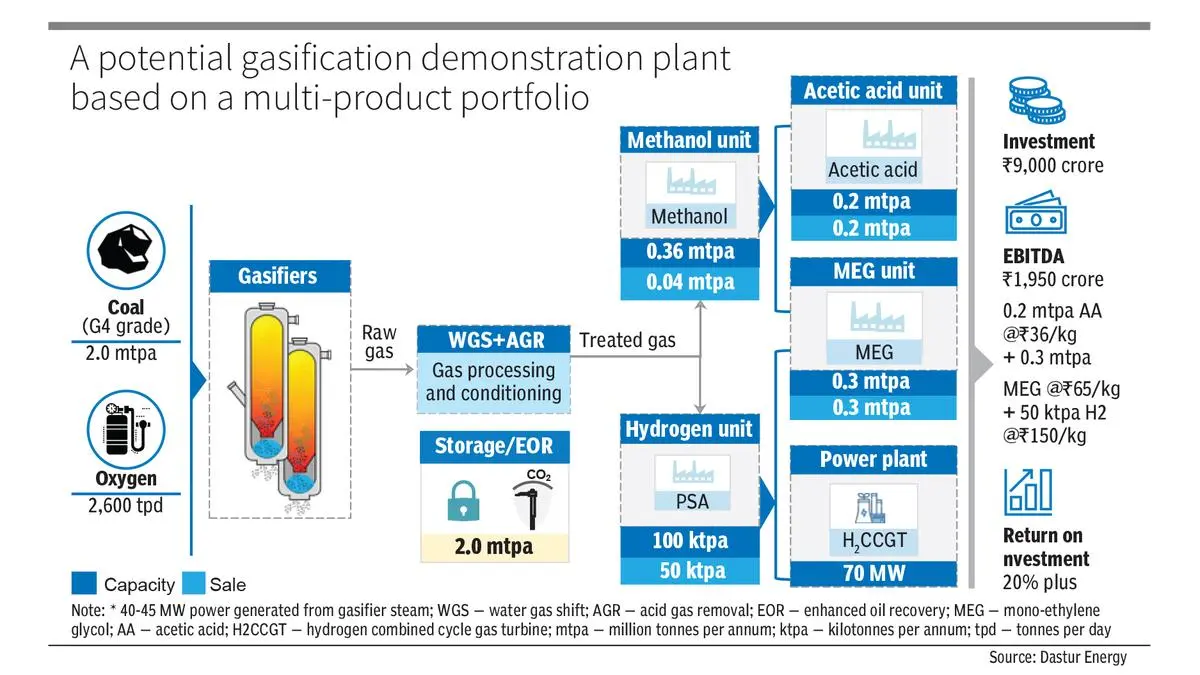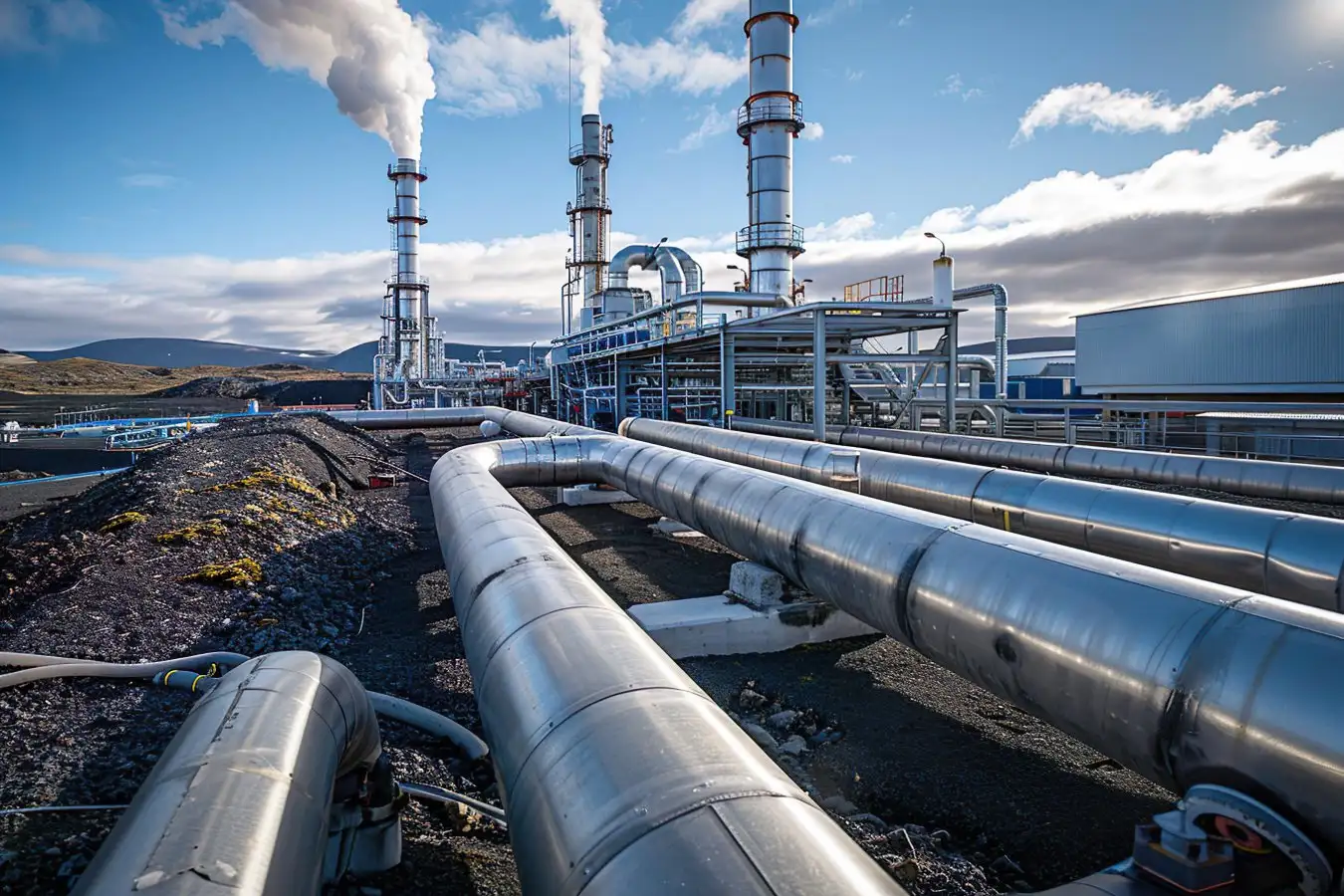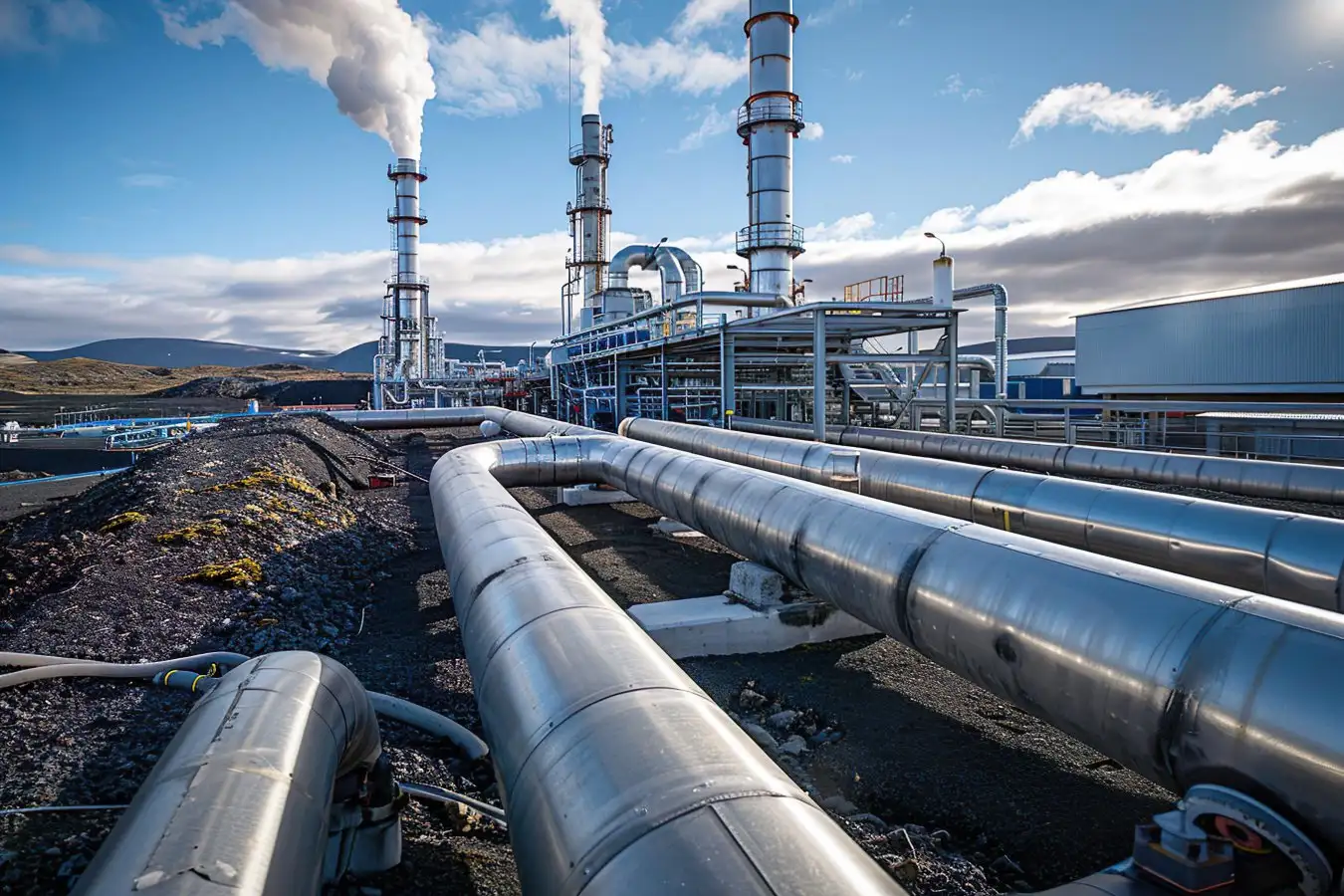
For years, green hydrogen has been touted as a kind of silver bullet for decarbonization. Hydrogen can be combusted at high temperatures, making it a potential solution for cleaning up some of the dirtiest industrial sectors on earth, with the ability to replace thermal coal in steelmaking and heavy fuel oil in industrial shipping. But instead of releasing greenhouse gases when burned, hydrogen leaves behind nothing but water vapor. Green hydrogen has therefore been a subject of major buzz in the public and private sectors alike for its ability to clean up so-called ‘hard-to-abate sectors’.But there’s a catch. The problem is that hydrogen is only as green as the energy sources used to make it, and the vast majority of the world’s hydrogen is produced using fossil fuels, most often natural gas. And it turns out that creating hydrogen with renewables is costly, inefficient, and frequently a misuse of those clean energy resources, which could be more efficiently applied through direct consumption.“Even if production costs decrease in line with predictions, storage and distribution costs will prevent hydrogen being cost-competitive in many sectors,” lead author Roxana Shafiee, a postdoctoral fellow at the Harvard University Center for the Environment, told The Harvard Gazette back in October of 2024. “Our results challenge a growing idea that hydrogen will be the ‘Swiss army knife of decarbonization’ and suggest that the opportunities for hydrogen may be narrower than previously thought.”Set OilPrice.com as a preferred source in Google here.In fact, the fanfare over green hydrogen has all but died out as reality has failed to keep pace with ambition. A 2025 study on the “green hydrogen ambition and implementation gap”, found that less than a tenth of planned green hydrogen projects were actually carried out. “Tracking 190 projects over 3 years, we identify a wide 2023 implementation gap with only 7% of global capacity announcements finished on schedule,” reads the paper, published in the scientific journal Nature Energy.But a new approach to harvesting hydrogen could flip the script on the economics of the sector and revitalize flagging confidence in its disruptive potential. Vema Hydrogen, a startup working in Quebec, Canada is taking a new approach to harvesting hydrogen in a low-carbon approach – by digging deep into the Earth. The goal is to create a very specific chemical chain reaction that would produce hydrogen with limited associated greenhouse gas emissions. This emerging field is known as “geologic hydrogen.”“This could be transformational if we can figure it out,” Madeline Schomburg, a vice president at nonprofit research organization Energy Futures Initiative, recently told the New York Times. “Even if the likelihood of success is low, the potential rewards are so high that it’s worth exploring.”The energy and economic potential of such a breakthrough would be hard to overstate. The United States Department of Energy estimates that geologic hydrogen could potentially produce hydrogen for less than $1 per kilogram. That represents an enormous savings compared to the current green hydrogen price of approximately $3.50–$6.00 per kilogram. In fact, that would make it even cheaper than hydrogen made using fossil fuels, turning current hydrogen economics on its head and possibly even revolutionizing and catalyzing global pathways to reaching net zero carbon emissions.However, the science behind achieving the desired chemical reactions still has a long way to go. The push to achieve commercially scalable geologic hydrogen is still in its infancy, and achieving $1 hydrogen remains a far-off dream. But it’s a dream that finally feels possible.And it’s a dream that may receive a much needed windfall from the current global energy crisis, as world leaders become more bullish on next-gen energy alternatives that could finally wean the world off of geopolitically fraught oil and gas supply chains once and for all. In fact, leaders in the United States and Europe are already changing their tune on green hydrogen projects, and investing dollars are starting to flow into green hydrogen once more.By Haley Zaremba for Oilprice.comMore Top Reads From Oilprice.comThree Supertankers Carrying 6 Million Barrels Exit Strait of HormuzUK Eases Some Russian Oil Sanctions as Fuel Prices SoarU.S. Awards $2 Billion to Nine Quantum Computing Companies
Geologic Hydrogen Could Produce Clean Fuel for Less Than $1 Per Kilogram | OilPrice.com
Green hydrogen's promise has faded as most projects stall, but a Quebec startup is betting geologic hydrogen could unlock clean fuel at under $1 per kilogram.
685 words~3 min read