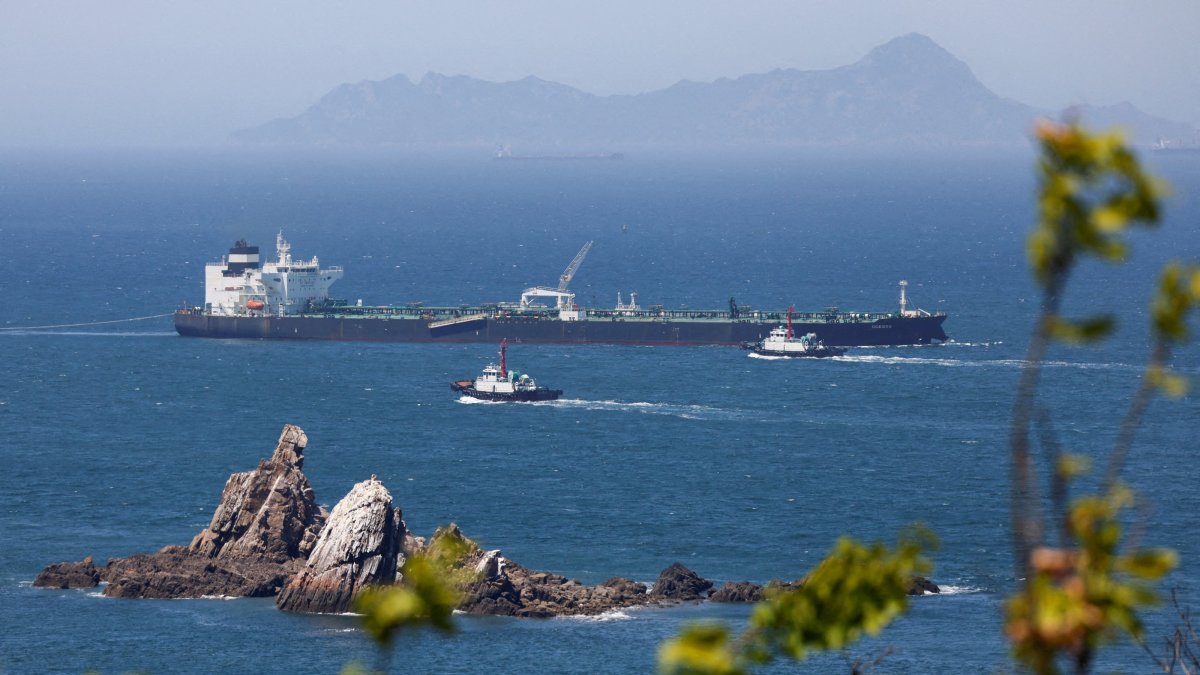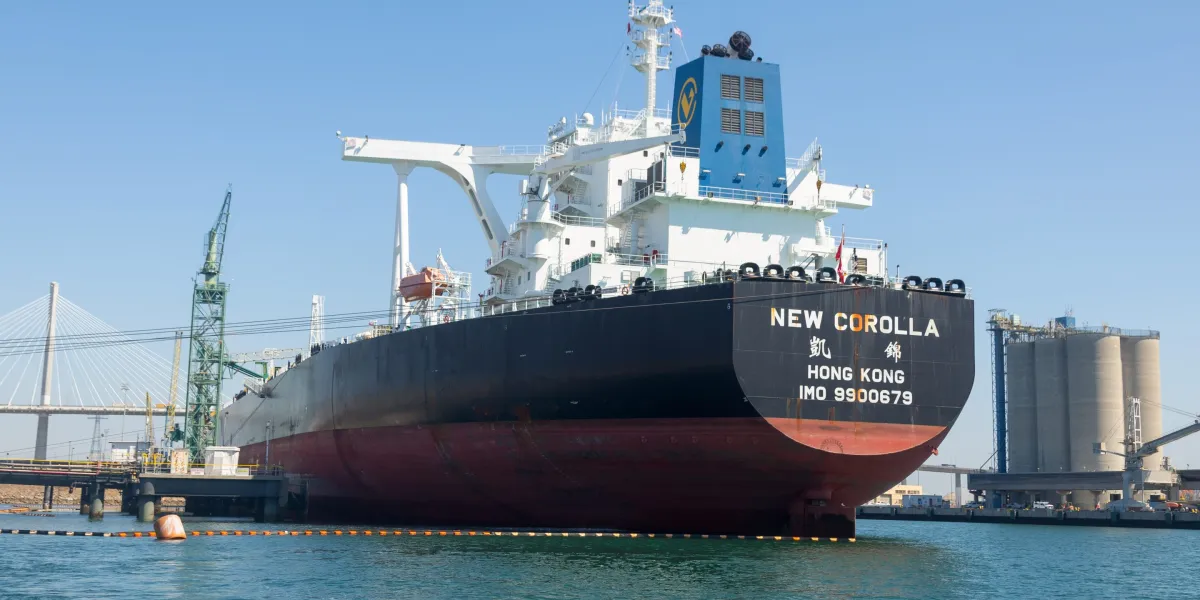
Businesses and governments managed to keep energy prices from skyrocketing as much as feared during the Iran war by leaning into a “just-in-time” delivery system that harnesses innovations in digital and satellite technology and that reduces the need to stockpile barrels of oil.
Call it the “Amazon of oil,” said Jim Wicklund, a veteran oil analyst and managing director at the PPHB energy investment firm, comparing energy industry dynamics to the ecommerce giant’s famous mastery of inventory and logistics.
Even with President Trump declaring the Iran ceasefire “over” on Wednesday amid a fresh exchange of military strikes, the U.S. benchmark for crude prices still only spiked about 5% to $74 per barrel—way below the mid-May high of $112.
While energy traders may see the latest attacks and verbal barbs as dips along the negotiation rollercoaster, they’ve also been encouraged by the adaptability of global energy logistics, even amid the greatest global energy shock of the modern age when the effective closure of the Strait of Hormuz temporarily cut off almost 20% of the world’s oil and liquefied natural gas supplies.
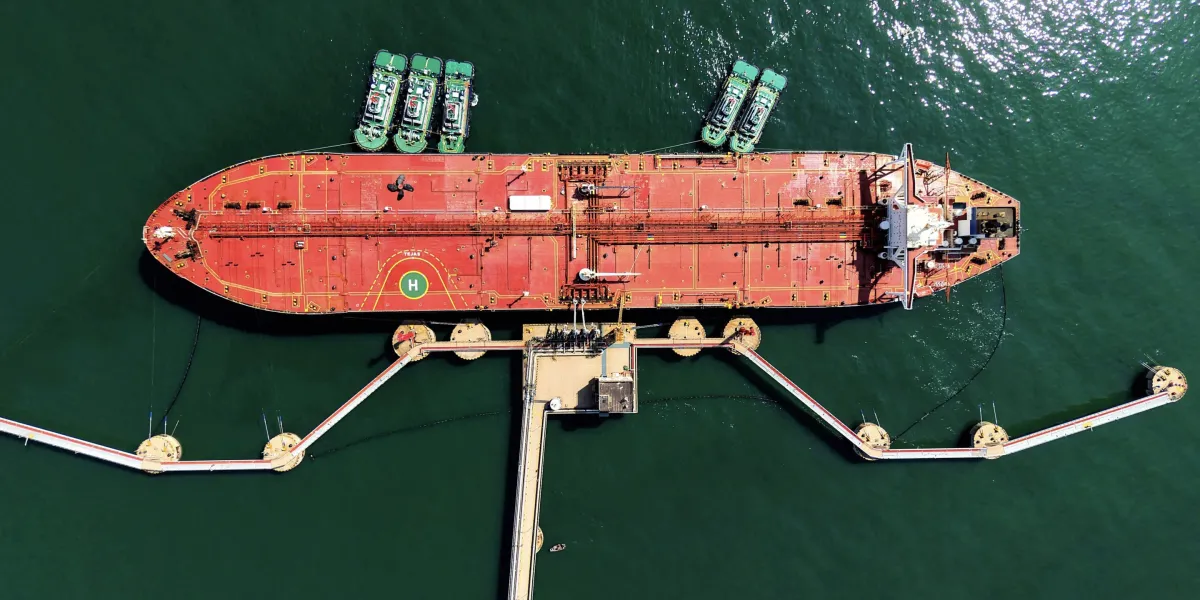
“When you go back to the 1970s when we had the oil shocks, you had no way of knowing what oil was where and what it was doing,” Wicklund told Fortune. “Today, I can hit my terminal and find every tanker full of oil on the ocean, who owns it, what’s in it, and who to call to get it diverted to me. So, inventories have not meant nearly as much to oil prices here in the last few years as they used to.