The world has coped unexpectedly well with the disappearance of over a billion barrels of oil since the start of the Iran war, yet the risk of sharp price increases still hangs as hopes for a durable peace fade and buffer stocks run low.
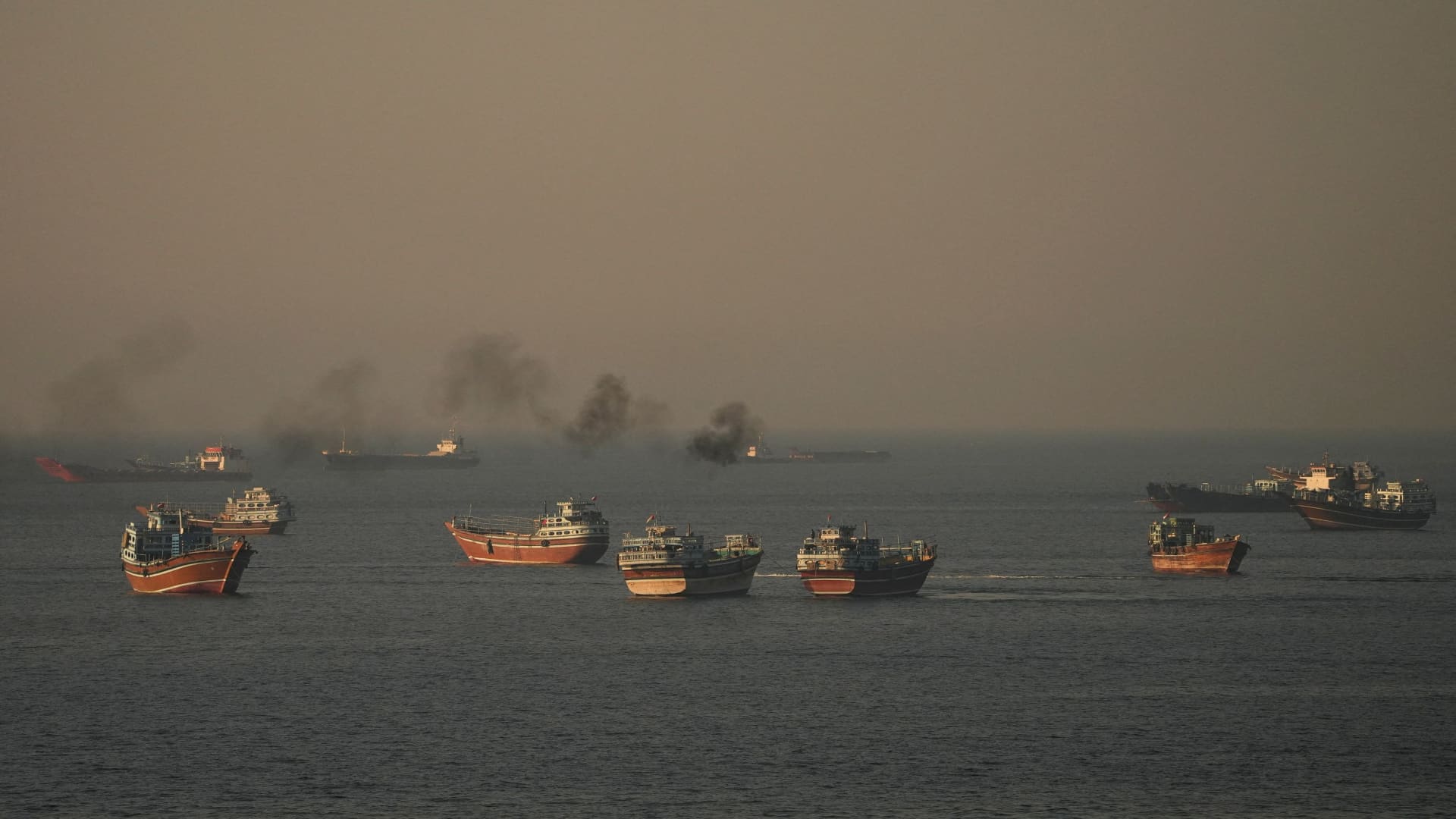
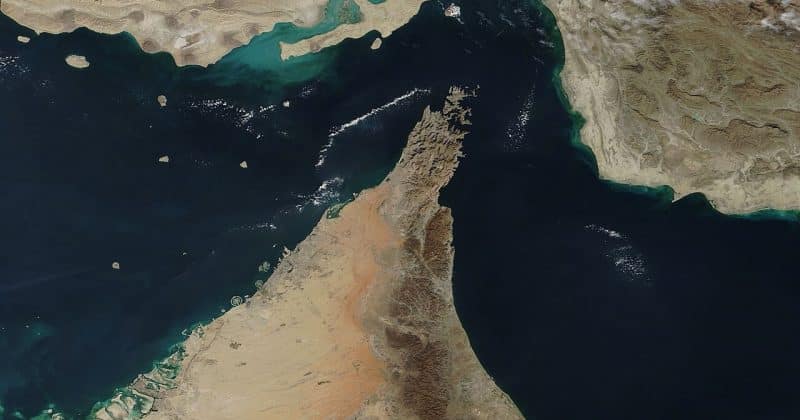
Tehran's throttling of the Strait of Hormuz in response to the U.S. and Israeli attacks launched on Feb. 28 fed fears of a catastrophic global energy crunch.
The ensuing four-month conflict did, indeed, create the biggest energy disruption in history, according to the International Energy Agency (IEA). At its worst, the headline supply loss was 14 million barrels per day.
But worries that Asia and Europe would run out of gasoline, diesel or jet fuel never materialized. And after peaking around $126 per barrel in April – still some $20 below the 2008 record – benchmark Brent oil prices are now lower than they were when the conflict began.
"This suggests traders viewed the disruption as serious but manageable, reflecting confidence in today's more resilient energy and economic systems," said John Baffes, senior economist at the World Bank.