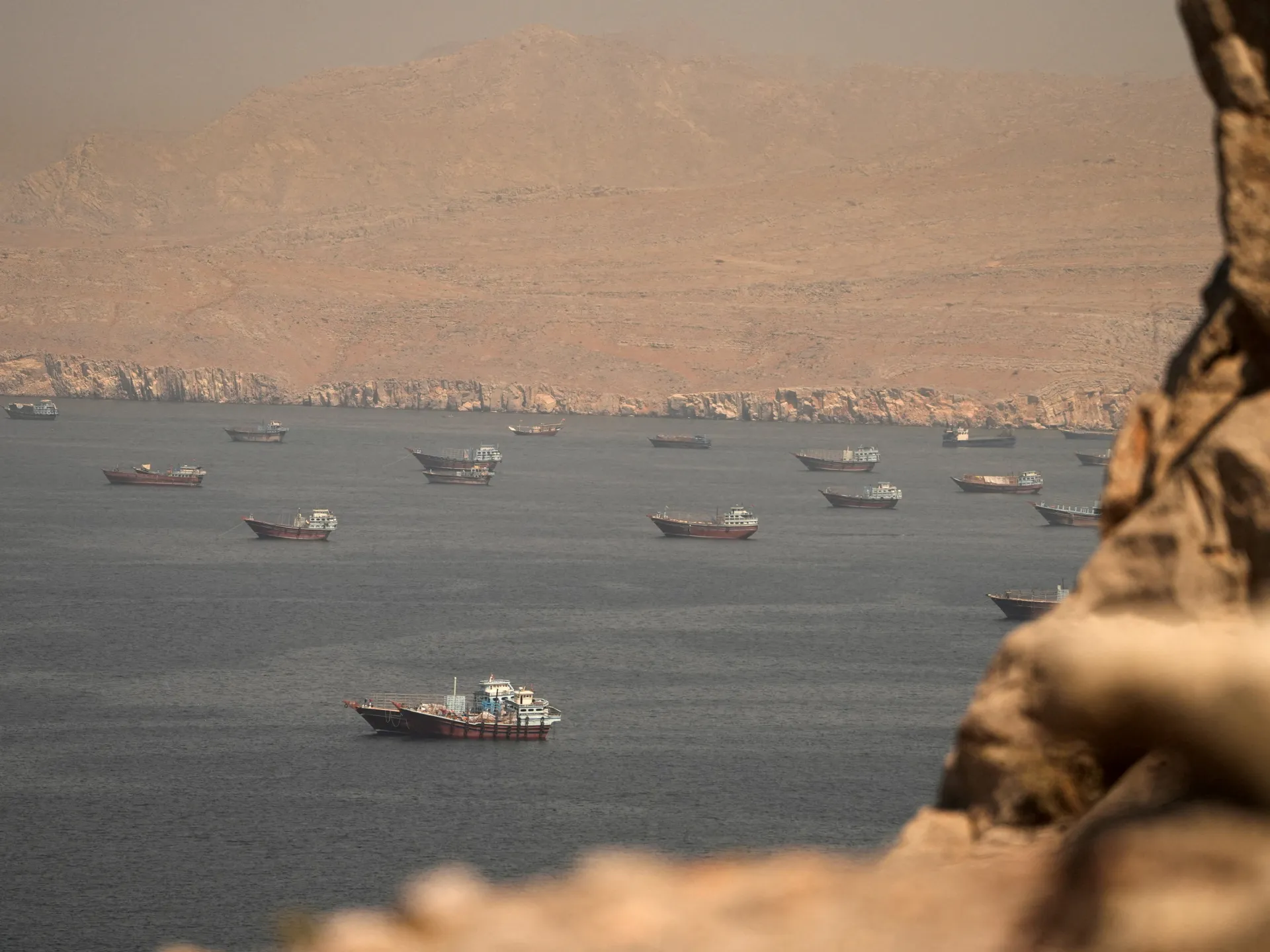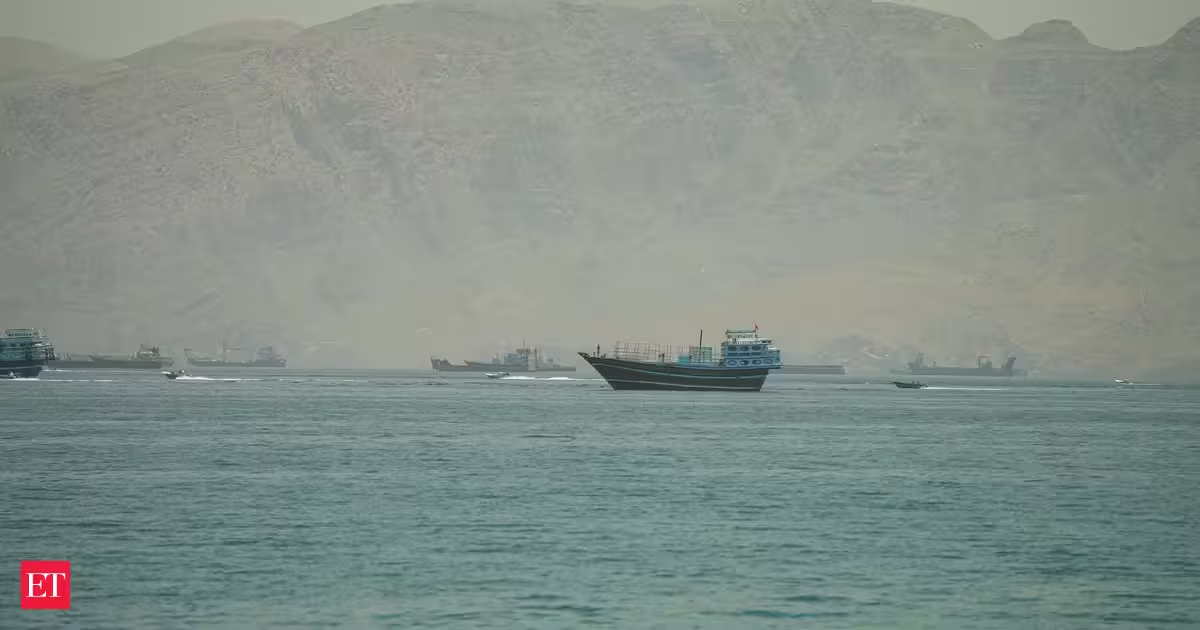
The US-Israeli war on Iran presented the oil market with a doomsday scenario. The unprecedented near-closure of the Strait of Hormuz threatened the flow of some 20 million barrels per day of oil and other liquids for months, while Mideast oil and gas facilities came under attack. And yet, with only a few exceptions, oil markets managed to cope. So why did assumptions that a sustained Hormuz closure would presage runaway prices and a market meltdown prove wide of the mark? An underestimation of China and a misread of the global supply picture were key factors. When Iran started attacking ships trying to cross Hormuz following the initial US-Israeli assault on Feb. 28, roughly one-fifth of global oil and LNG trade essentially ground to a halt. Analysts looked to the past as a guide for what would come next: With oil prices having previously surged at just the hint of a Mideast conflict, a near-full shutdown of Hormuz traffic made a record price spike seem all but inevitable. Benchmark Brent prices did indeed leap, but the late-March peak of $118 per barrel was some $30 shy of the 2008 record. And even as the closure entered its second, third and even fourth month, markets appeared willing to take any excuse to give up much of their gains. The latest slump in Brent into the low $70s amid a shaky ceasefire is a case in point: Even accounting for views that futures markets are not always rational, it's clear that predictions of a massive oil-supply shortfall have not yet materialized.
Hormuz Assumptions: What the World Got Wrong
Months ago, the received wisdom was that a Hormuz closure would see oil prices skyrocket, presaging the meltdown of the global energy system. What did we all miss?
259 words~1 min read