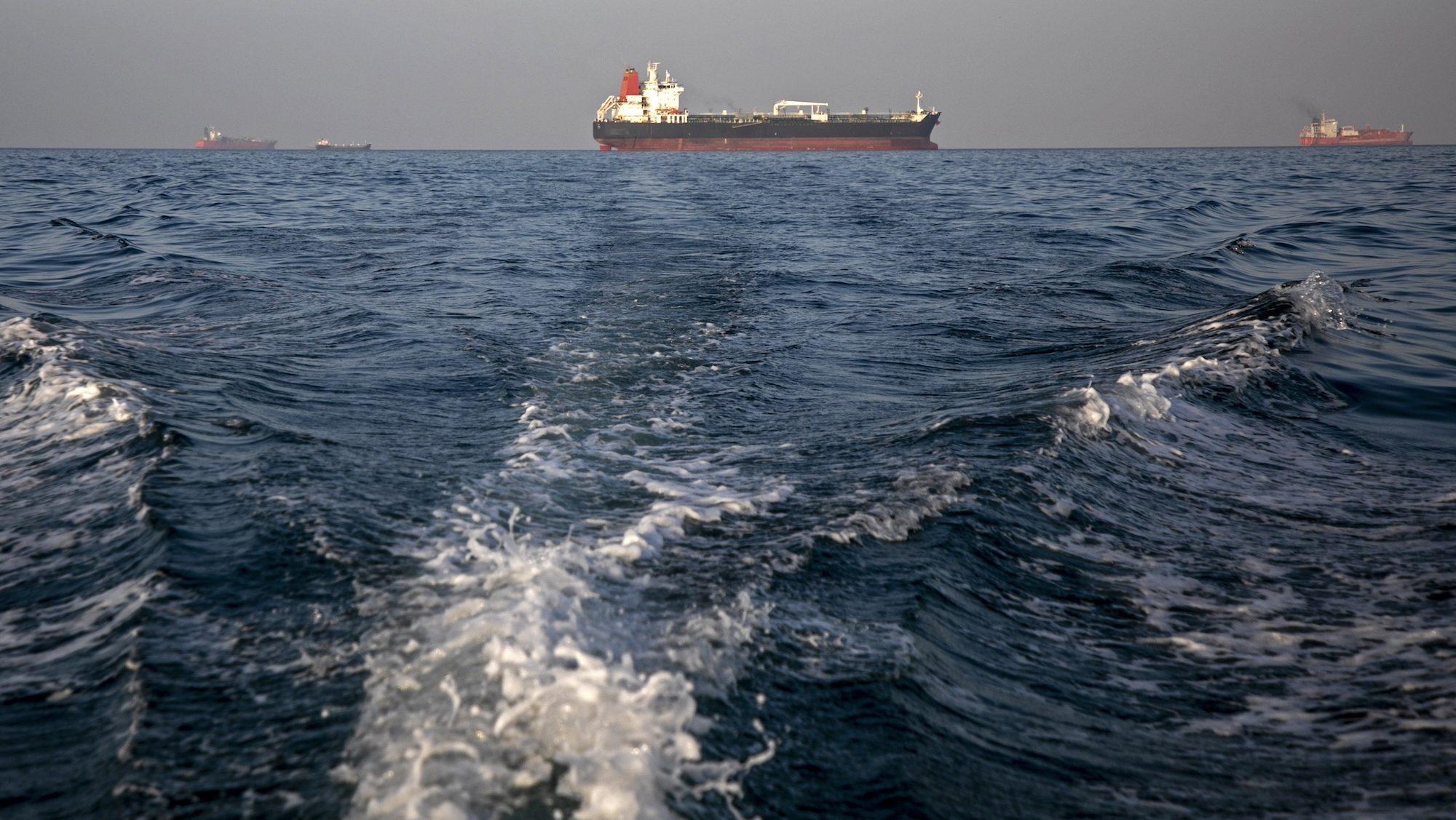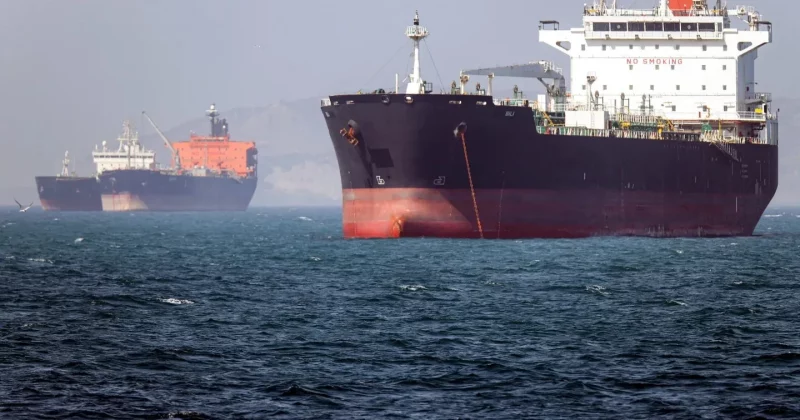
The Strait of Hormuz closure was supposed to be the doomsday scenario for global energy markets. Roughly 20% of the world’s oil flows through that narrow waterway, and when the Iran war shut it down in early 2026, every energy analyst on the planet reached for the same playbook: the 1970s oil crisis.
That playbook turned out to be wrong. Or at least, dramatically incomplete.
The largest disruption that wasn’t the largest disaster
When US and Israeli military operations commenced in late February 2026, the immediate market reaction was predictable. Brent crude surged from roughly $71 per barrel to over $100. The International Energy Agency estimated shortfalls between 11 and 20 million barrels per day, and IEA Executive Director Fatih Birol called it the “greatest global energy security challenge in history.”
In terms of raw barrels removed from the market, this was the largest oil supply shock ever recorded. Bigger than the 1973 Arab oil embargo. Bigger than the 1979 Iranian Revolution disruption.