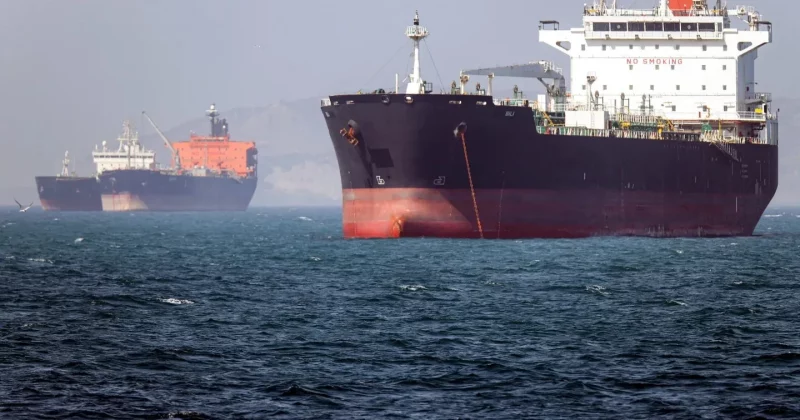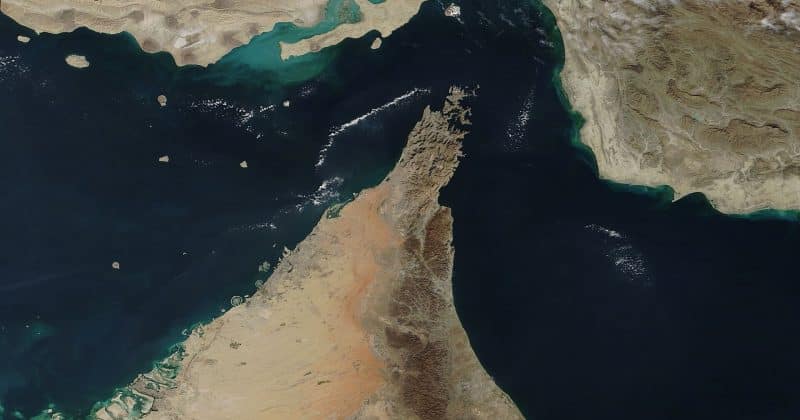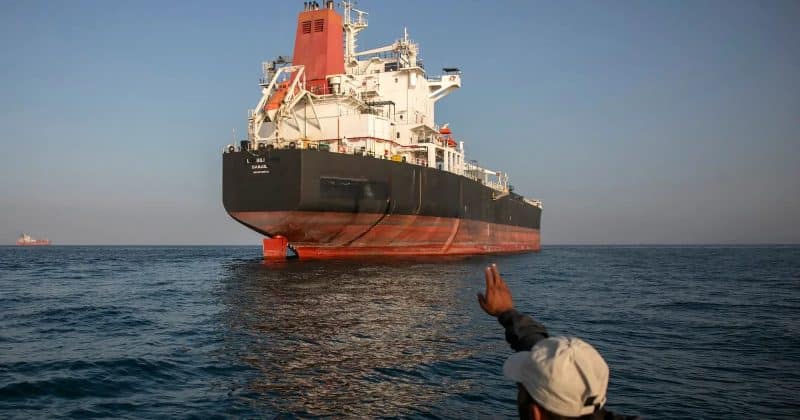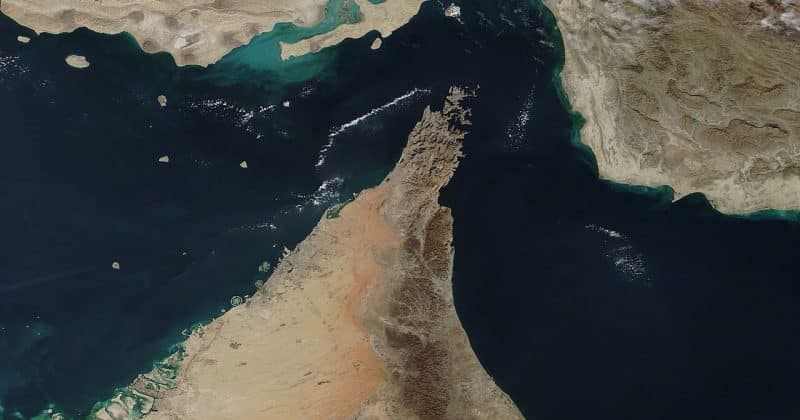
The Strait of Hormuz, closed since March 4, 2026, typically carries about 20% of the world’s seaborne oil and LNG traffic. A potential US-Iran agreement now taking shape would reopen it, and global markets are already moving.
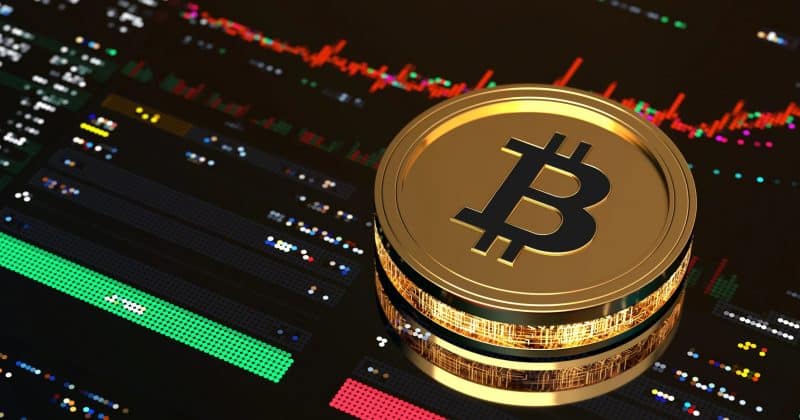
Bitcoin climbed to around $77,000-$77,500 as traders priced in the prospect of cheaper energy and softer inflation. Brent crude, which spiked above $100 per barrel during the strait’s closure, has fallen several dollars as the deal’s outlines became public.
What the deal actually looks like
The proposed framework centers on a 60-day ceasefire extension. During that window, Iranian oil sales would resume and the strait would reopen to commercial shipping. Nuclear discussions get punted to a later date.
US officials have signaled potential delays, and there’s genuine uncertainty about whether a final agreement materializes on the timeline markets are hoping for. Even if ink hits paper tomorrow, experts predict full normalization of oil supply could take an additional three to six months, given the infrastructure recovery needed after nearly three months of closure.