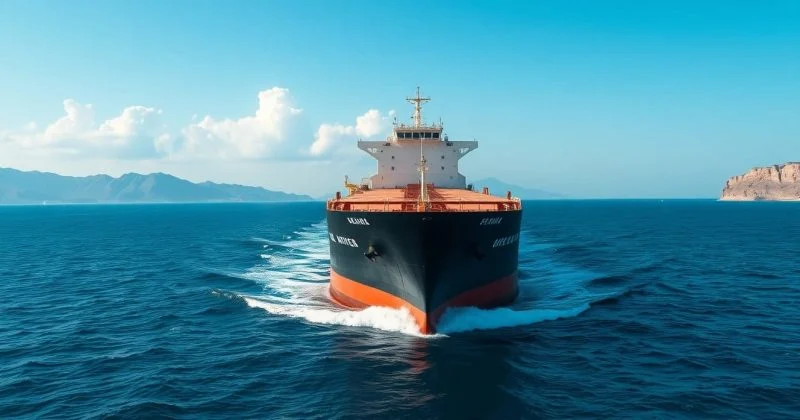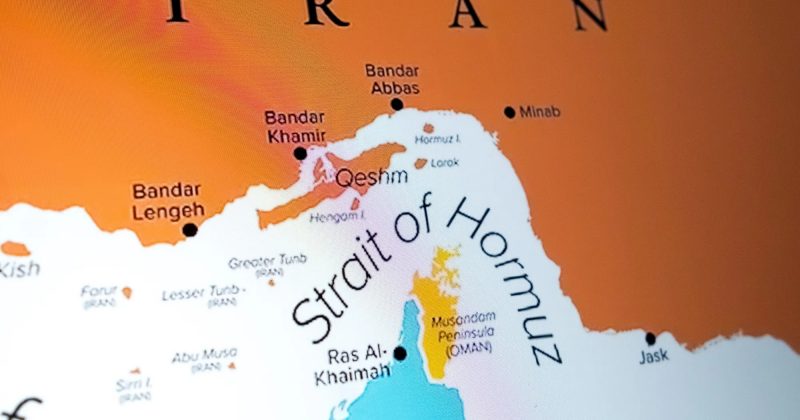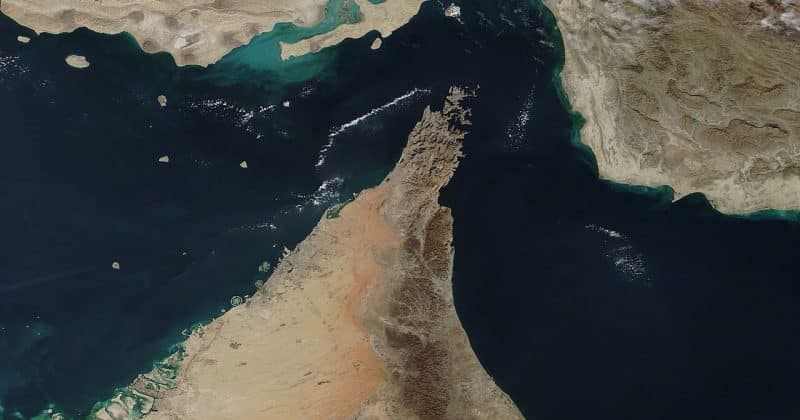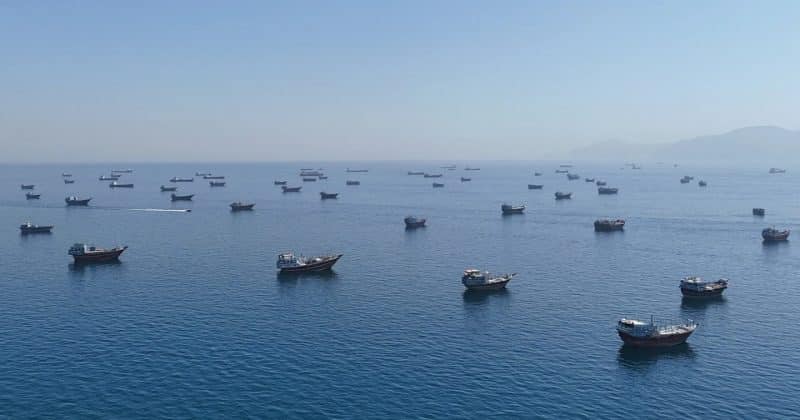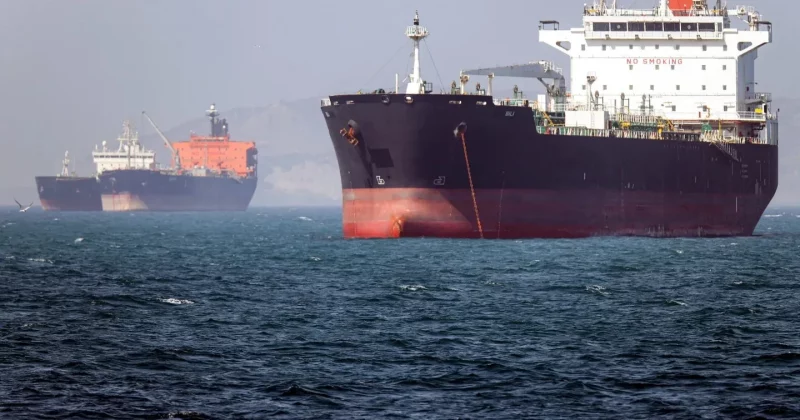
The Strait of Hormuz, the narrow chokepoint between Iran and Oman that handles roughly 20% of the world’s oil and LNG shipments, has been closed since early March 2026. Iran shut the waterway in retaliation during the escalating U.S.-Israel-Iran conflict, and global energy markets have been feeling it ever since.
Now, a framework taking shape between Washington and Tehran could reopen it. The proposed deal centers on a 60-day ceasefire extension and the resumption of commercial shipping through Hormuz without tolls, while broader nuclear negotiations continue in parallel. President Trump claimed on May 23-24 that terms are “largely negotiated.” Markets are already pricing the possibility in.
Oil prices slide, supply math gets interesting
Brent crude had been trading in the $120 to $126 range during the blockade. With optimism building around a deal, prices have retracted sharply as traders begin modeling what a reopened strait means for global supply.
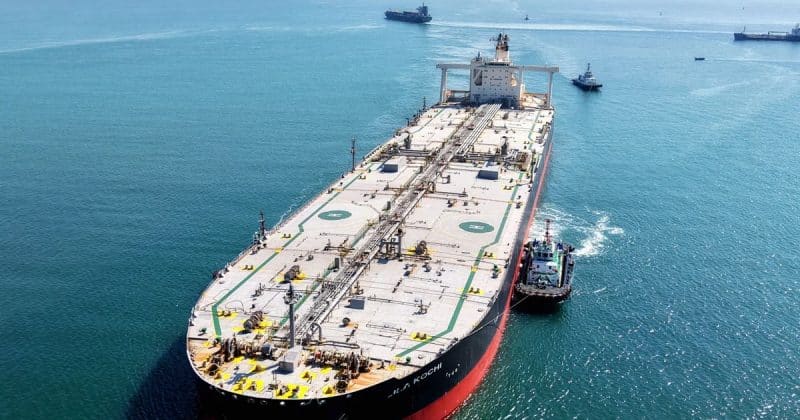
Analysts are tracking an estimated 100 million barrels sitting on stranded tankers, effectively frozen in transit since March. If those barrels hit the market alongside normal Hormuz traffic, the supply shock could push prices meaningfully lower in a short window.