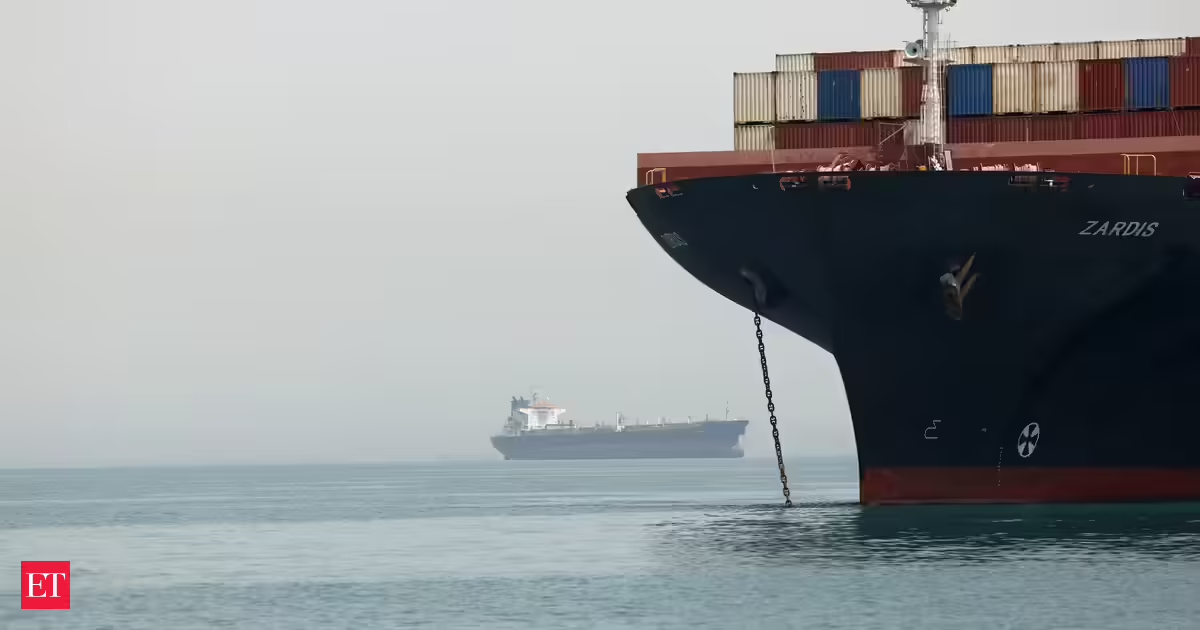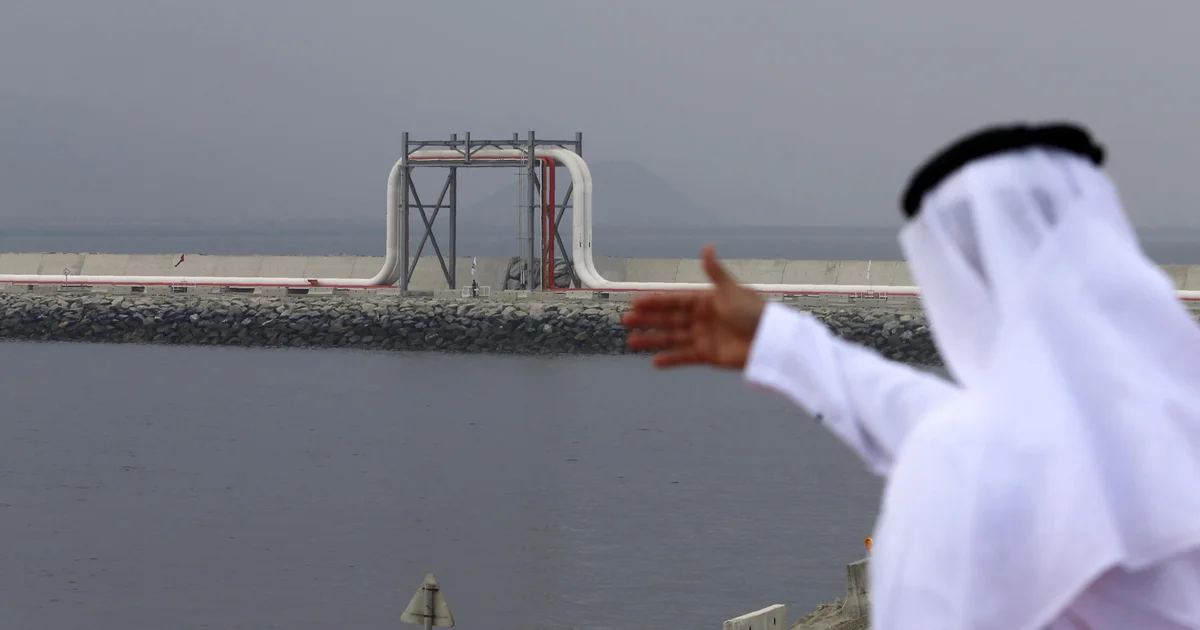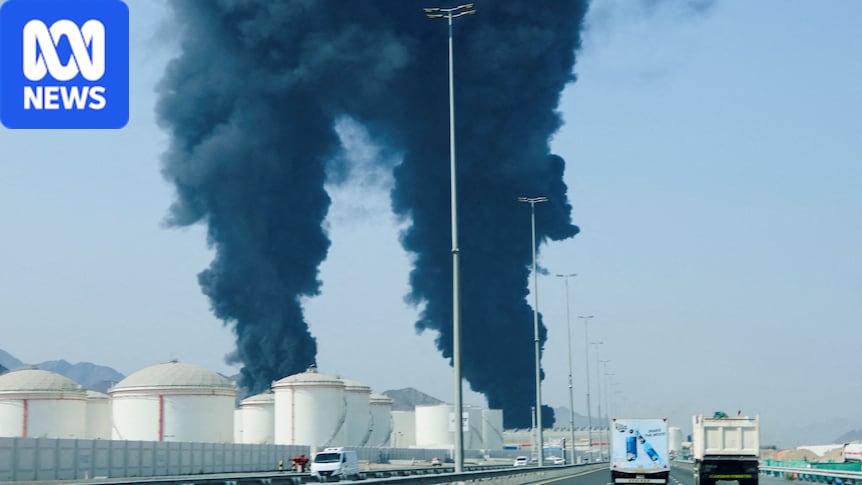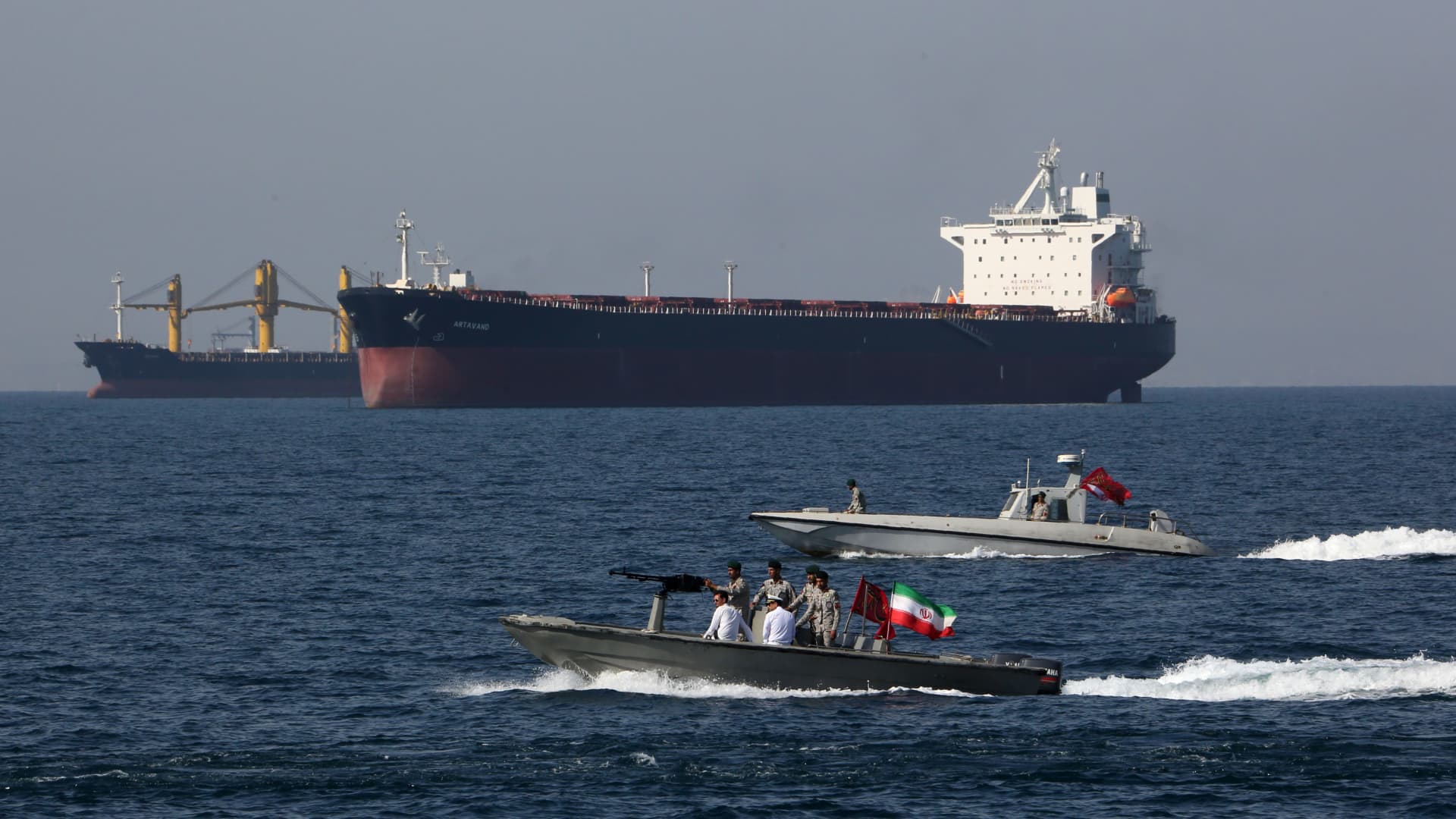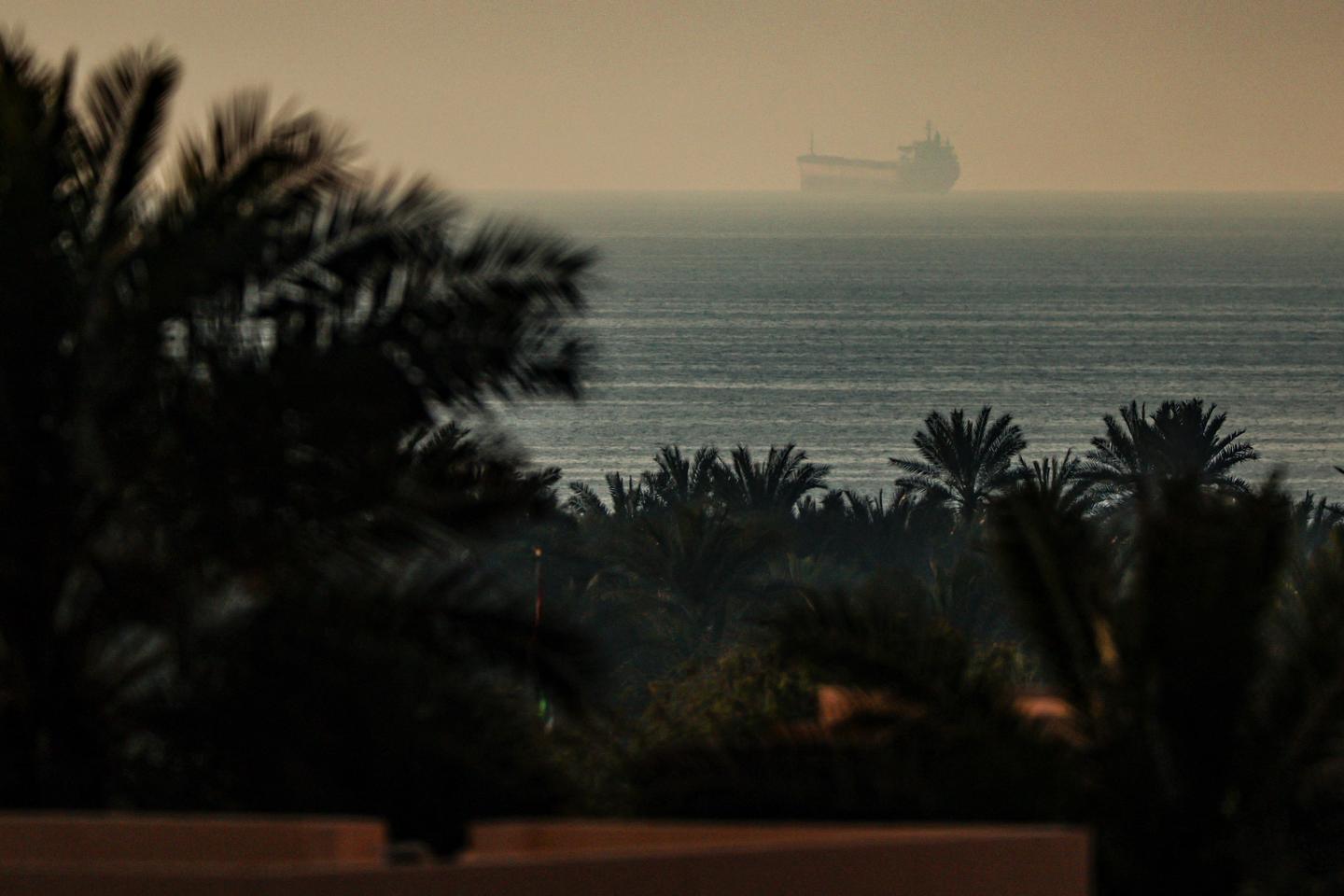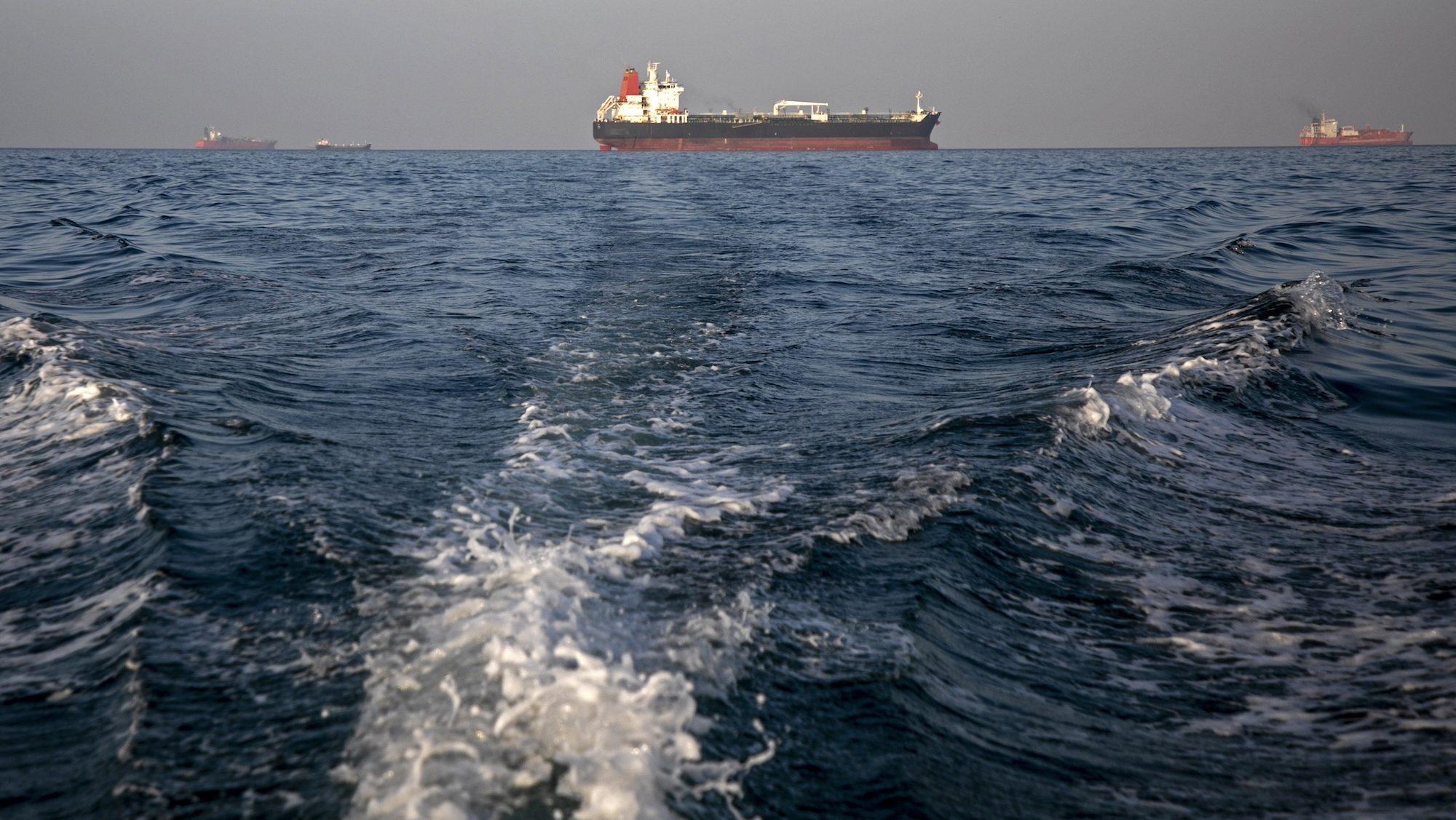
When the Strait of Hormuz first closed at the start of the 2026 Iran war, the world braced for the “largest energy crisis in history.” Before the conflict began, almost 20 percent of the world’s traded oil passed through the narrow waterway between the Persian Gulf and the Gulf of Oman. Iran’s blockade of the strait effectively erased 15 million barrels per day from circulation overnight.
Many experts and commentators predicted that the supply gap would have catastrophic consequences. Australia expected fuel rationing, the European airline industry warned of mass flight cancellations, and Goldman Sachs predicted widespread oil shortages. The International Monetary Fund warned of a potential global recession, and some traders worried that oil prices could hit $200 a barrel.
But a little over four months into the war, little of that has come to pass.
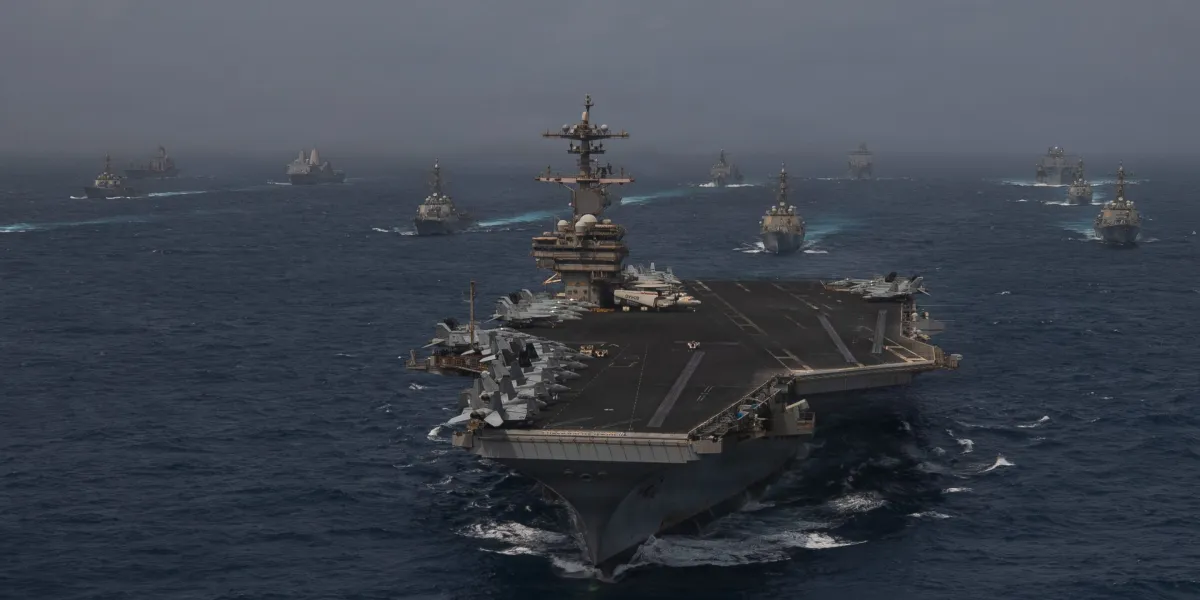
TimelineHow the oil market has handled the Iran warFebruary 28The United States and Israel launch a joint military operation against Iran.MarchIran retaliates and announces that it has closed the Strait of Hormuz. Benchmark oil prices rise above $100 a barrel.The International Energy Agency announces a coordinated strategic reserve release of around 400 million barrels from more than 30 countries, including the United States. Governments across Asia introduce energy-saving measures such as remote work mandates and restrictions on who can drive.AprilThe United States and other countries increase domestic crude production and exports, filling the gap created by the closure of the strait.MayBrent crude rises toward around $120 a barrel, its highest level on the year, as traders fear a prolonged supply disruption.JuneOn June 17, the United States and Iran sign a ceasefire agreement. Commercial shipping resumes through the Strait of Hormuz, and benchmark oil prices fall back to about $70 per barrel.JulyThe ceasefire breaks down. The U.S. announces a new blockade of Iranian oil and Iran announces new transit requirements for the Strait of Hormuz. Prices rise back to about $85 per barrel.