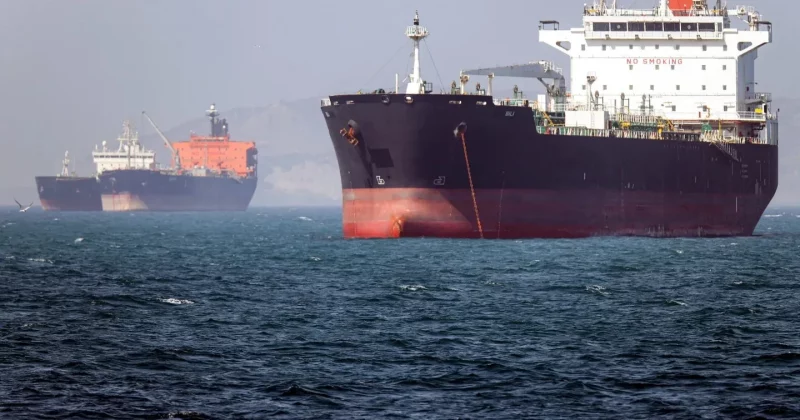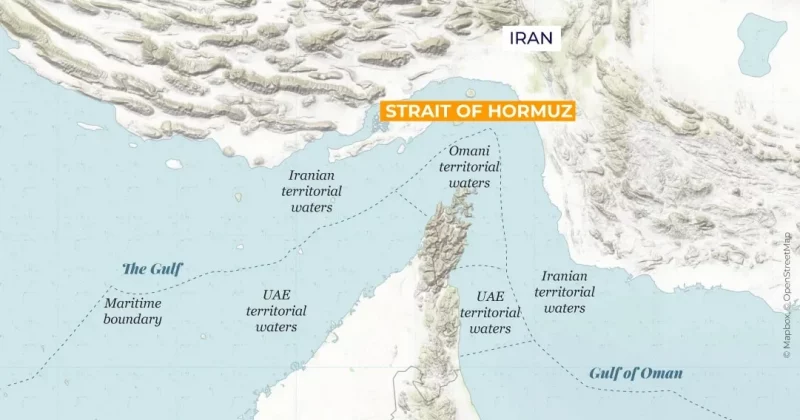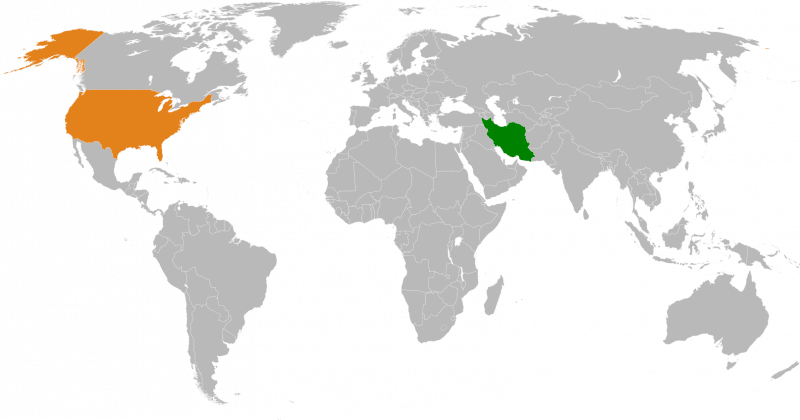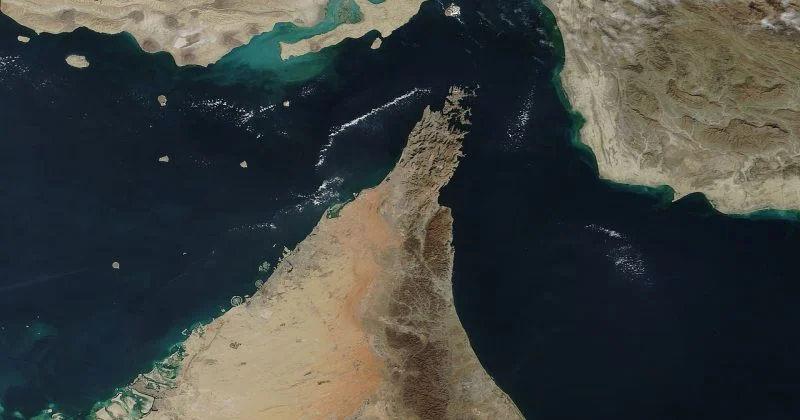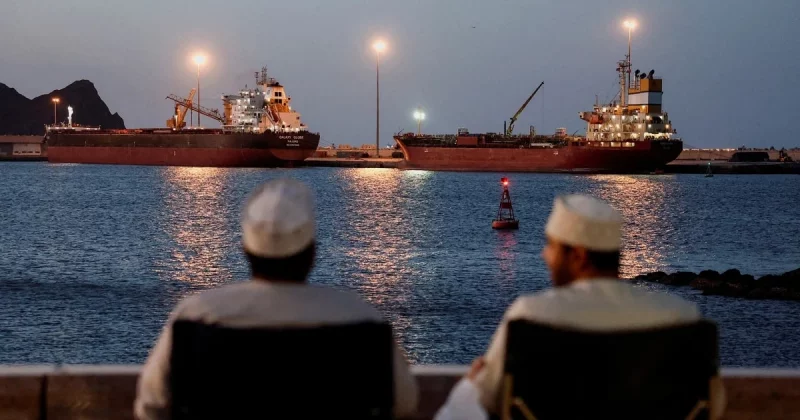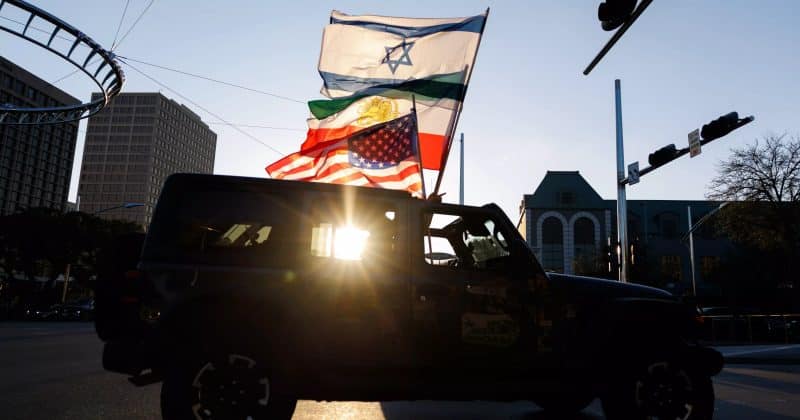
The Strait of Hormuz, a narrow waterway, has spent decades as the world’s most strategically important chokepoint. About 20% of global natural gas supplies pass through it, along with a massive share of crude oil. When the US and Iran went to war on February 28, 2026, that chokepoint became a bottleneck, and energy markets went haywire.
Five weeks of war, months of aftermath
The conflict lasted five weeks before a ceasefire took effect on April 8, 2026. Brent crude prices swung between roughly $95 and $126 per barrel in the months surrounding the conflict.
On June 17, 2026, both sides signed a memorandum of understanding extending the truce by an additional 60 days and reopening negotiations specifically focused on the Strait of Hormuz. The extension allowed a temporary reopening of the shipping route. Then, in late June, military exchanges between the two sides tested the limits of the agreement. An apparent stand-down followed.
Supply chain rethinking in real time