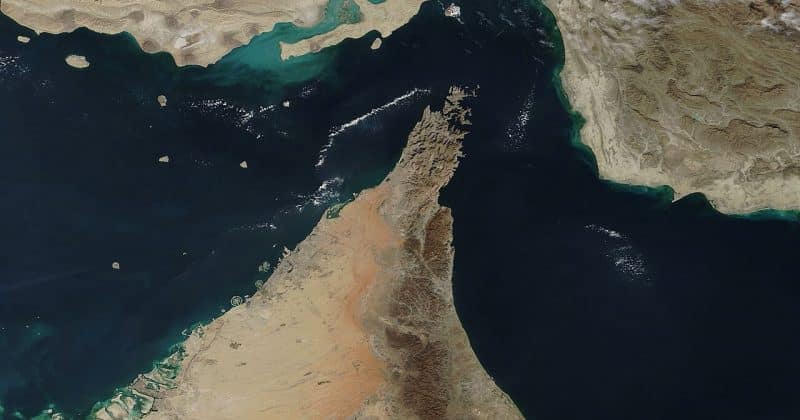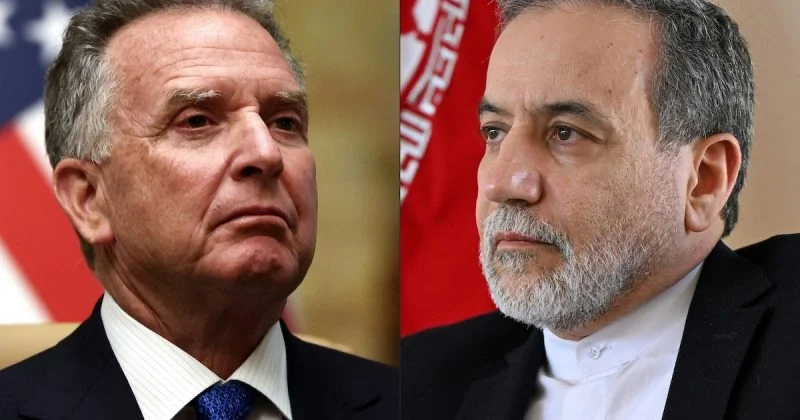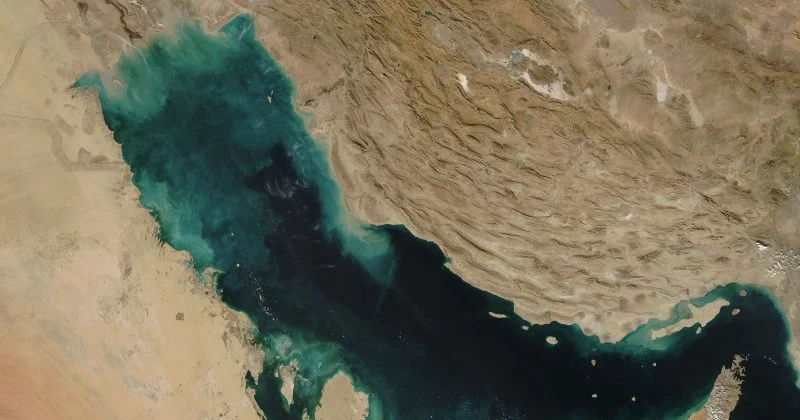
The ceasefire between the US and Iran, barely a month old, is cracking under the weight of renewed military exchanges in the Strait of Hormuz. What was supposed to be a two-week cooling-off period brokered by Pakistan on April 8 has devolved into something that looks a lot more like a ceasefire in name only.
For crypto markets, this isn’t just a geopolitics story playing out on cable news. Iran’s pivot to digital assets for sanctions evasion, combined with the US government’s aggressive response targeting those networks, has turned the Strait of Hormuz standoff into one of the most consequential geopolitical catalysts for digital asset prices this year.
From truce to turbulence
The original ceasefire was announced on April 8, 2026, mediated by Pakistan and designed to de-escalate months of rising tensions around the strait. President Trump later extended the truce indefinitely.
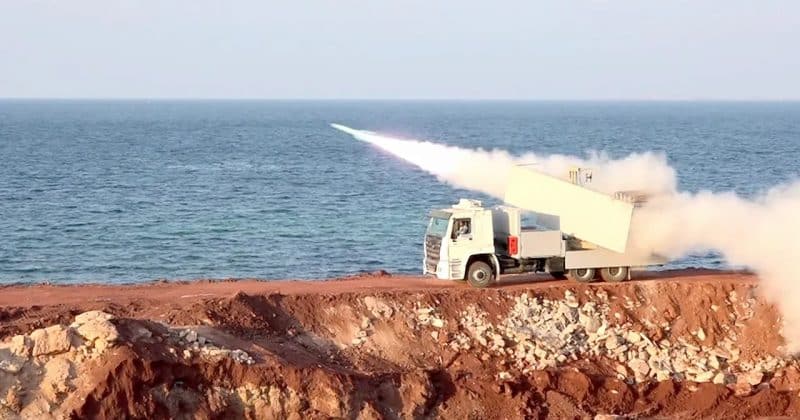
Between May 4 and May 7, clashes intensified dramatically. The US conducted strikes against Iranian missile sites and boats, describing the actions as self-defense against perceived threats. Iran characterized the strikes as unprovoked aggression and retaliated against US vessels.