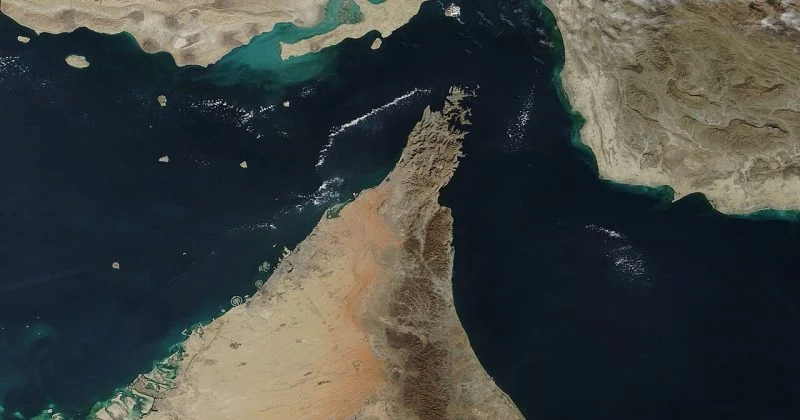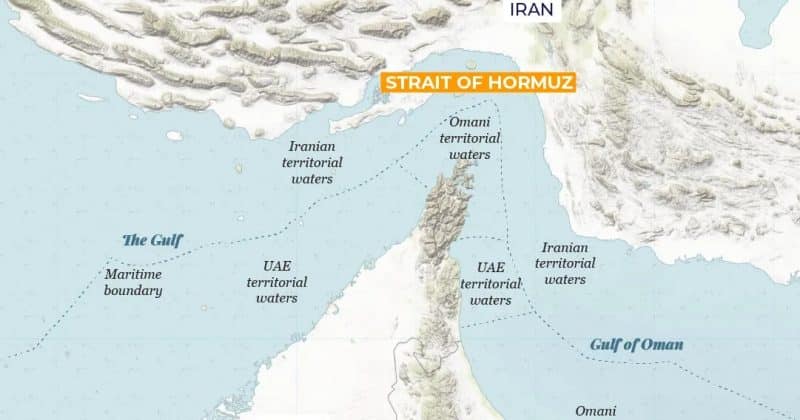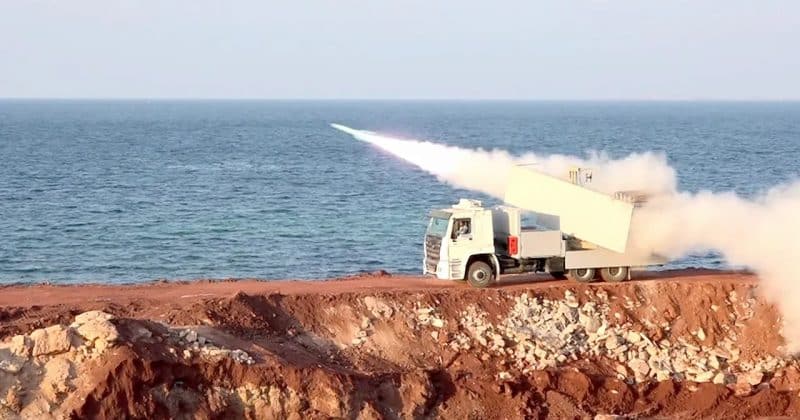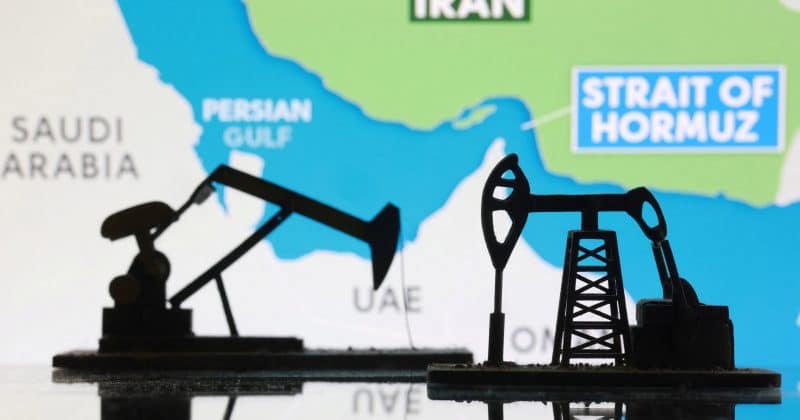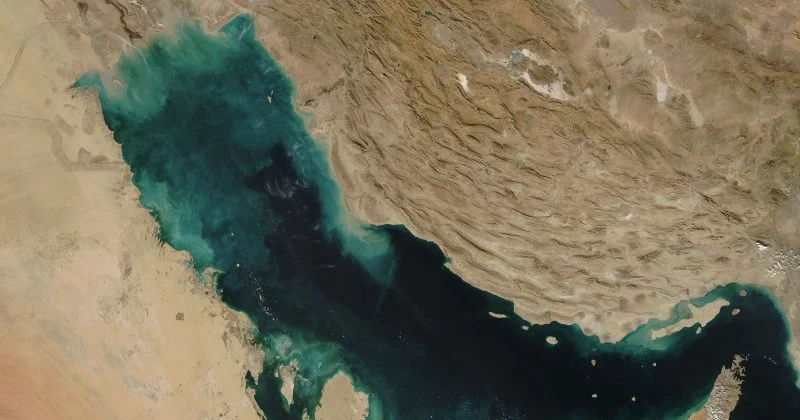
The US and Iran are back at each other’s throats. Over the past 24 hours, the military confrontation between the two nations has intensified with fresh strikes, missile launches, and drone attacks across the Persian Gulf. Shipping through the Strait of Hormuz, the narrow waterway that handles roughly 20-25% of the world’s seaborne oil trade, is increasingly disrupted.
For crypto markets, this isn’t just another geopolitical headline to scroll past. Iran has been quietly collecting transit fees from vessels passing through the Strait using Bitcoin, USDT, and Chinese yuan since mid-March 2026, turning one of the world’s most critical shipping chokepoints into what might be history’s most expensive crypto toll booth.
What happened
US Central Command launched strikes on over 80 Iranian targets after Iranian forces attacked three commercial vessels in the Strait of Hormuz on July 6 and 7. President Trump declared the June 2026 ceasefire and memorandum of understanding officially dead around July 8, though some diplomatic channels reportedly remain open.
The Islamic Revolutionary Guard Corps has been the primary aggressor on the Iranian side, leveraging its control over the Strait to impose a payment protocol on transiting vessels. Fees reportedly start at $1 per barrel of oil and can climb as high as $2 million per vessel. The IRGC has demanded these payments in cryptocurrencies or yuan, a deliberate move to sidestep the US-led sanctions regime that has choked Iran’s access to the traditional financial system.