US forces struck Iranian military targets in southern Iran and the Strait of Hormuz on May 4-5, after Tehran launched drones, cruise missiles, and boat attacks against US Navy ships and commercial vessels. The strikes were characterized as defensive, but the escalation sent shockwaves well beyond the Persian Gulf, rattling global markets and dragging Bitcoin below $80,000.
What happened in the strait
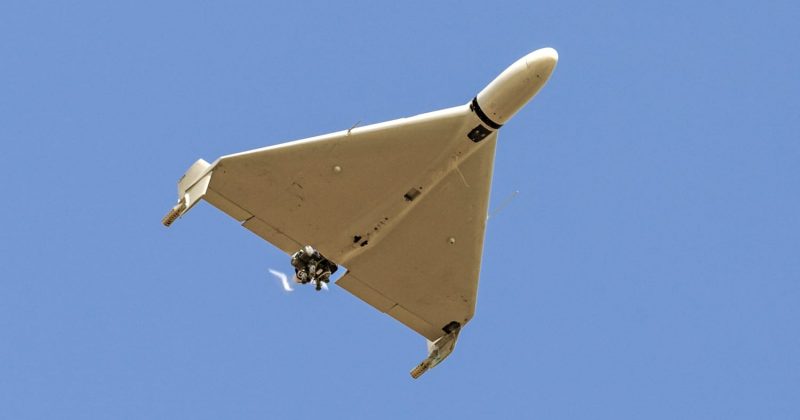
On May 4, Iranian forces targeted US Navy ships operating near the Strait of Hormuz with a combination of drones, cruise missiles, and fast-attack boats. The US military responded with strikes against Iranian missile sites over the following 24 hours.
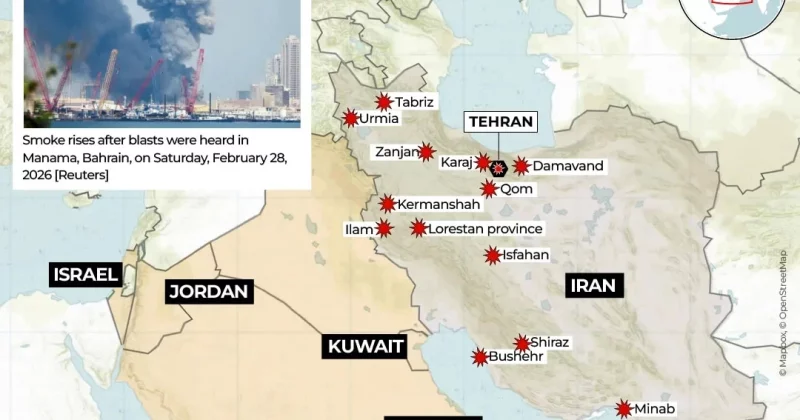
The confrontation occurred within the framework of a ceasefire established in April 2026. That ceasefire followed a series of US-Israel airstrikes against Iran’s military infrastructure that began in February, and peace negotiations in Qatar had been quietly progressing.
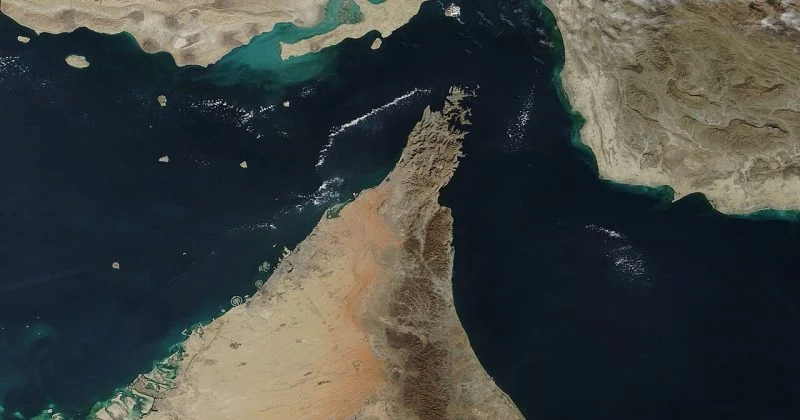
The Strait of Hormuz is one of the most strategically significant chokepoints on the planet. A massive share of global oil and gas shipments passes through it. When military operations disrupt traffic there, the effects cascade through energy markets, traditional equities, and increasingly, digital asset markets.