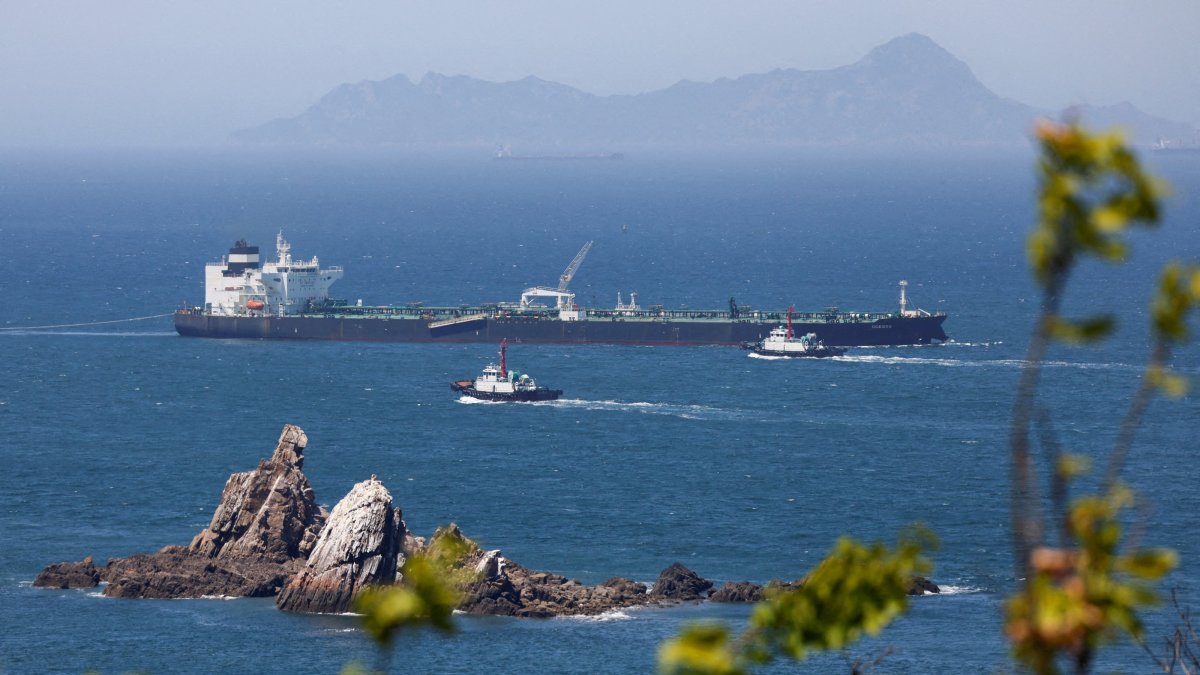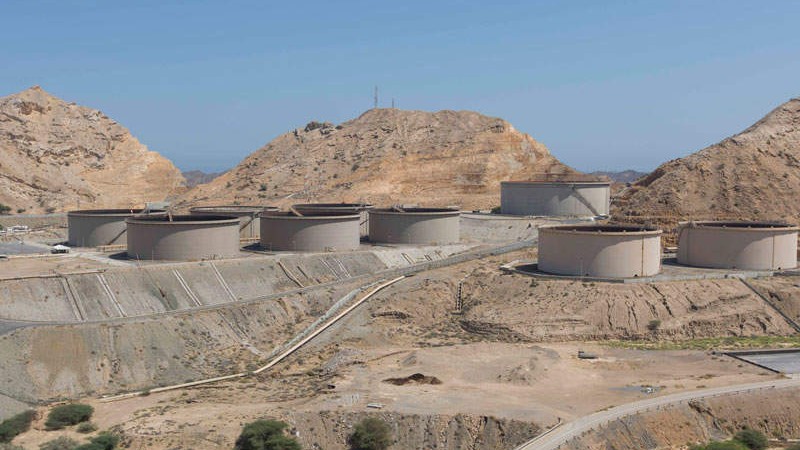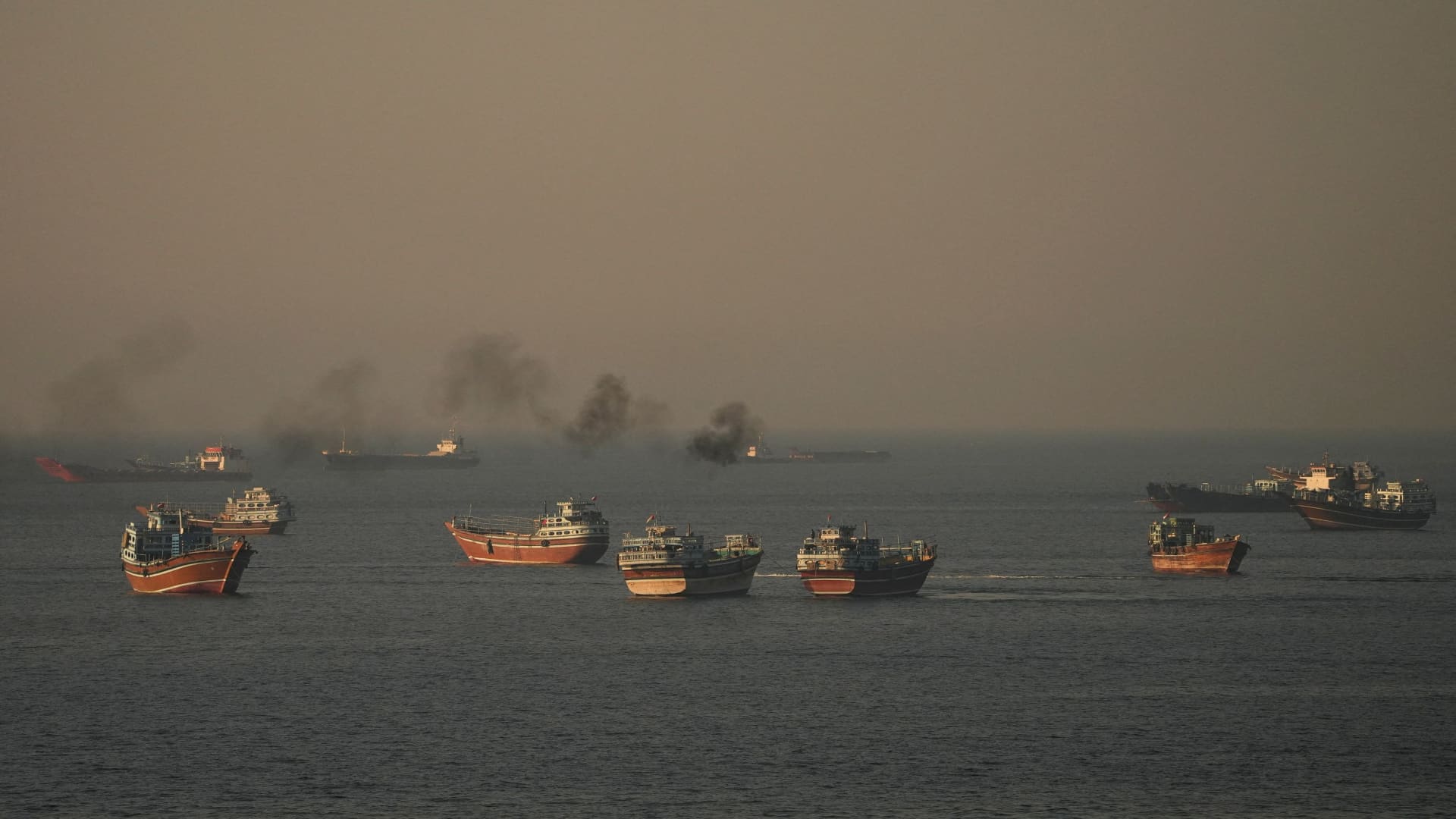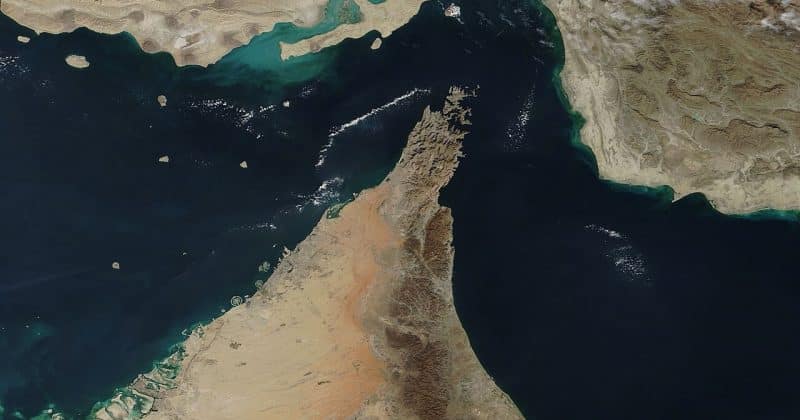
The global oil market has demonstrated remarkable resilience despite losing more than a billion barrels of supply during the Iran conflict, avoiding the severe fuel shortages many had feared. However, according to a Reuters analysis, the depletion of strategic reserves and lingering geopolitical tensions have left the world vulnerable to renewed oil price volatility in the years ahead.The four-month conflict, which began after U.S. and Israeli attacks on Iran, triggered widespread concerns that disruptions to the Strait of Hormuz would choke off one of the world's most critical energy routes. At the height of the crisis, global oil supply losses reached an estimated 14 million barrels per day, making it the largest energy disruption on record, according to the International Energy Agency (IEA), Reuters reported.Despite the unprecedented supply shock, global fuel markets remained relatively stable. Brent crude briefly climbed to around $126 per barrel in April but stayed well below the record highs seen in 2008. Prices have since fallen below levels prevailing before the conflict began, reflecting the market's ability to adapt.According to Reuters, analysts attribute this resilience to a combination of structural changes in the global economy and swift adjustments by producers and consumers. The World Bank noted that oil intensity—the amount of oil required to generate economic output—has declined significantly since the oil crises of the 1970s, reducing the global economy's dependence on crude oil.Strategic Responses Prevented a Larger CrisisReuters reported that three key developments helped prevent a full-scale energy crisis.First, major Gulf producers such as Saudi Arabia and the United Arab Emirates successfully rerouted exports through alternative channels, allowing oil shipments to continue despite disruptions in the Strait of Hormuz.Second, China, the world's largest crude importer, reduced purchases while adjusting refinery operations and benefiting from the rapid growth of electric vehicle adoption, easing global demand pressures.Third, governments around the world relied heavily on strategic petroleum reserves. Reuters reported that approximately one billion barrels were released globally, including a record coordinated stock release led by the IEA, helping stabilize fuel supplies during the conflict.China played a particularly significant role. Reuters noted that the country entered the conflict with nearly 1.4 billion barrels of stored crude oil, exceeding the combined strategic reserves of all 32 IEA member nations. This substantial inventory, coupled with flexibility in petrochemical production and lower oil demand growth, helped reduce stress on global energy markets.Market Confidence Supported by Expectations of PeaceReuters reported that financial markets also remained relatively calm because investors believed the conflict would not become permanent.Repeated signals from Washington suggesting that diplomatic efforts were underway and additional oil supplies would become available discouraged speculative bets on sustained oil price increases. Analysts cited by Reuters also noted that hedge funds remained cautious about building large bullish positions in crude markets.The preliminary peace agreement signed last month further strengthened market confidence, encouraging expectations that oil flows would gradually normalize.Infrastructure Damage and Supply Risks RemainWhile markets have largely returned to business as usual, Reuters reported that the underlying risks have not disappeared.Several Gulf producers—including Saudi Arabia, Kuwait, Qatar, Iraq and Bahrain—continue to repair energy infrastructure damaged during Iranian attacks. In many cases, restoring full production capacity is expected to take years.Shipping data also suggests that tanker traffic through the Strait of Hormuz remains below pre-war levels, indicating that supply conditions have not fully normalized despite easing market sentiment.Meanwhile, negotiations between Washington and Tehran remain fragile, with significant issues—including Iran's nuclear programme—still unresolved. Reuters reported that the current ceasefire remains temporary, leaving open the possibility of renewed geopolitical tensions.Depleted Oil Reserves Leave Limited ProtectionOne of the biggest long-term concerns highlighted by Reuters is the depletion of global oil inventories.Countries relied heavily on strategic reserves to offset wartime supply disruptions, leaving stockpiles significantly reduced. Rebuilding those inventories is expected to require substantial investment and time, while leaving the market more exposed to future supply shocks.According to Reuters calculations, based on global oil demand of approximately 104 million barrels per day, every $5 increase in crude prices adds roughly $190 billion in annual costs to the global economy.The cost of replenishing depleted reserves has also increased. Reuters cited a European Central Bank report showing that expected oil prices for 2027-2028 have risen to a range of $65-$75 per barrel, compared with earlier estimates of $63-$64. At current Brent prices, replacing the oil drawn from strategic reserves would likely require more than $70 billion.Markets May Be Underestimating Future RisksAlthough oil prices have stabilized and supply disruptions have eased, Reuters reported that the global energy system is operating with a much smaller buffer against future shocks.With strategic reserves depleted, infrastructure still recovering and geopolitical uncertainty persisting around the Strait of Hormuz, analysts believe the market remains vulnerable to sudden price spikes if fresh disruptions emerge. The combination of lower inventories and unresolved regional tensions could make future oil markets significantly more volatile than current prices suggest.(Disclaimer: Recommendations, suggestions, views and opinions given by the experts are their own. These do not represent the views of The Economic Times)
Global oil market weathers Iran war shock, but reserve depletion raises future price risks
The global oil market absorbed record supply disruptions during the Iran conflict without triggering a prolonged price shock. But analysts warn that depleted strategic reserves, damaged energy infrastructure and unresolved tensions around the Strait of Hormuz have left the market more vulnerable to future oil price spikes.
828 words~4 min read