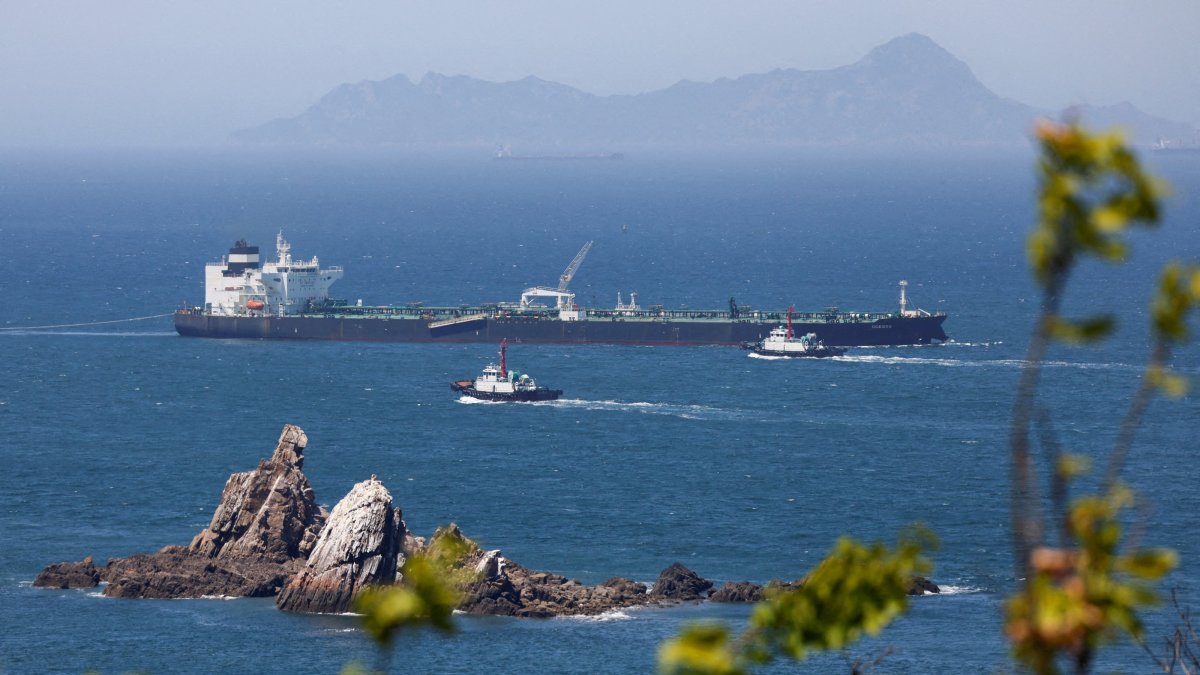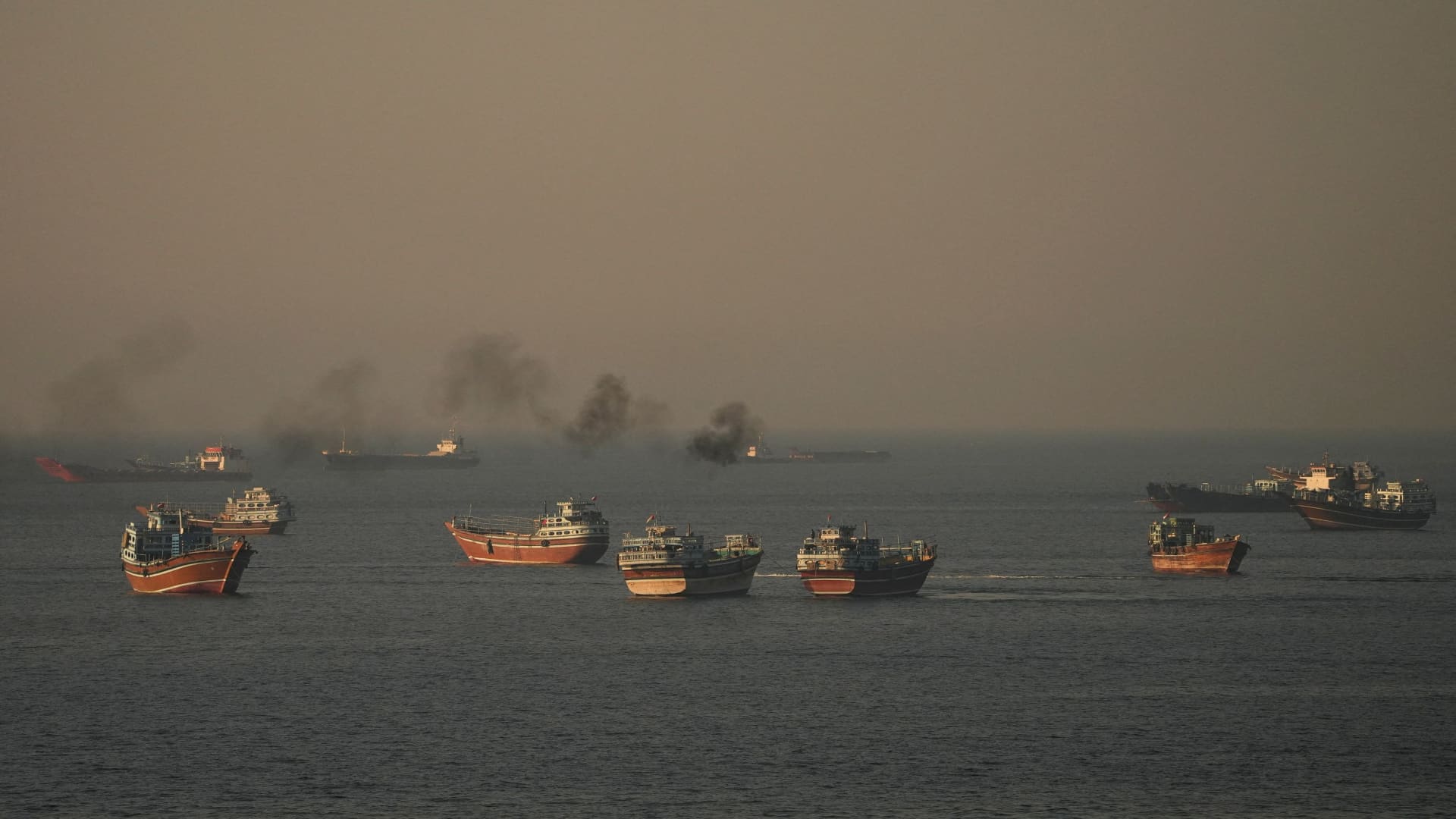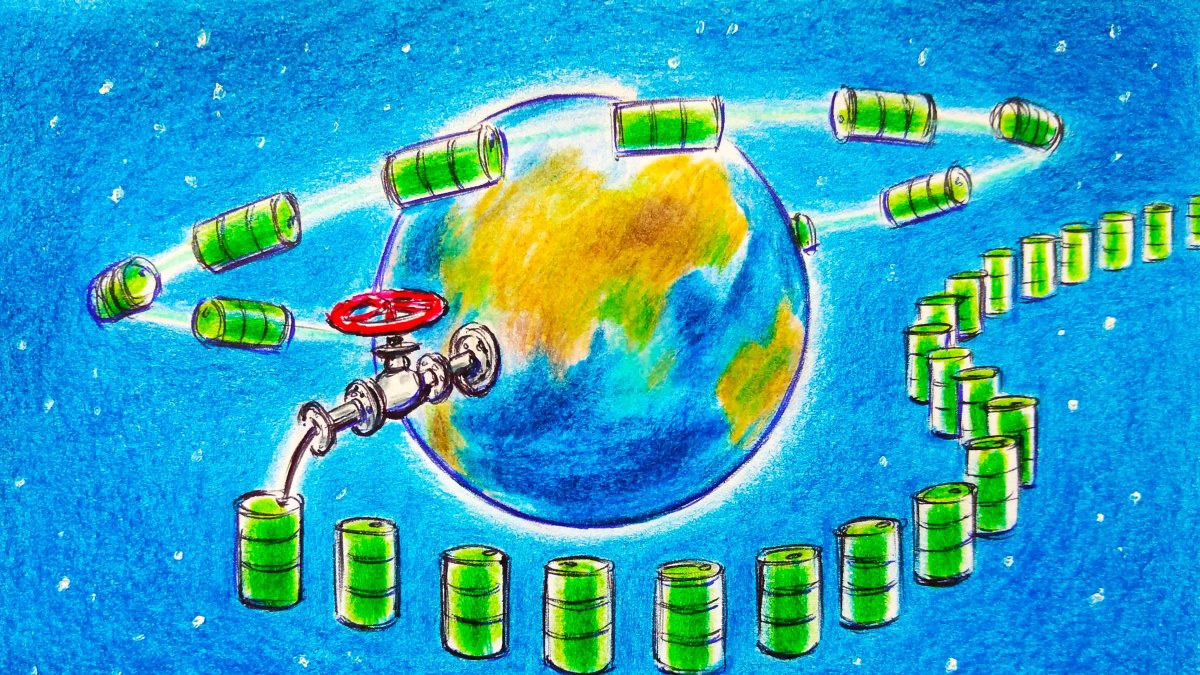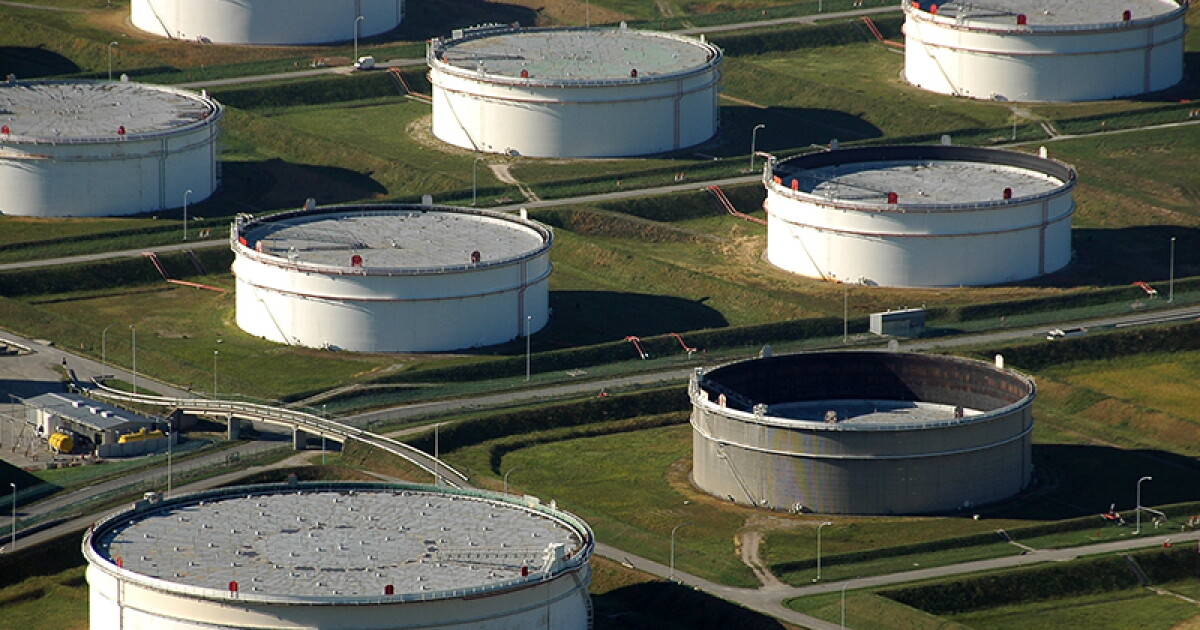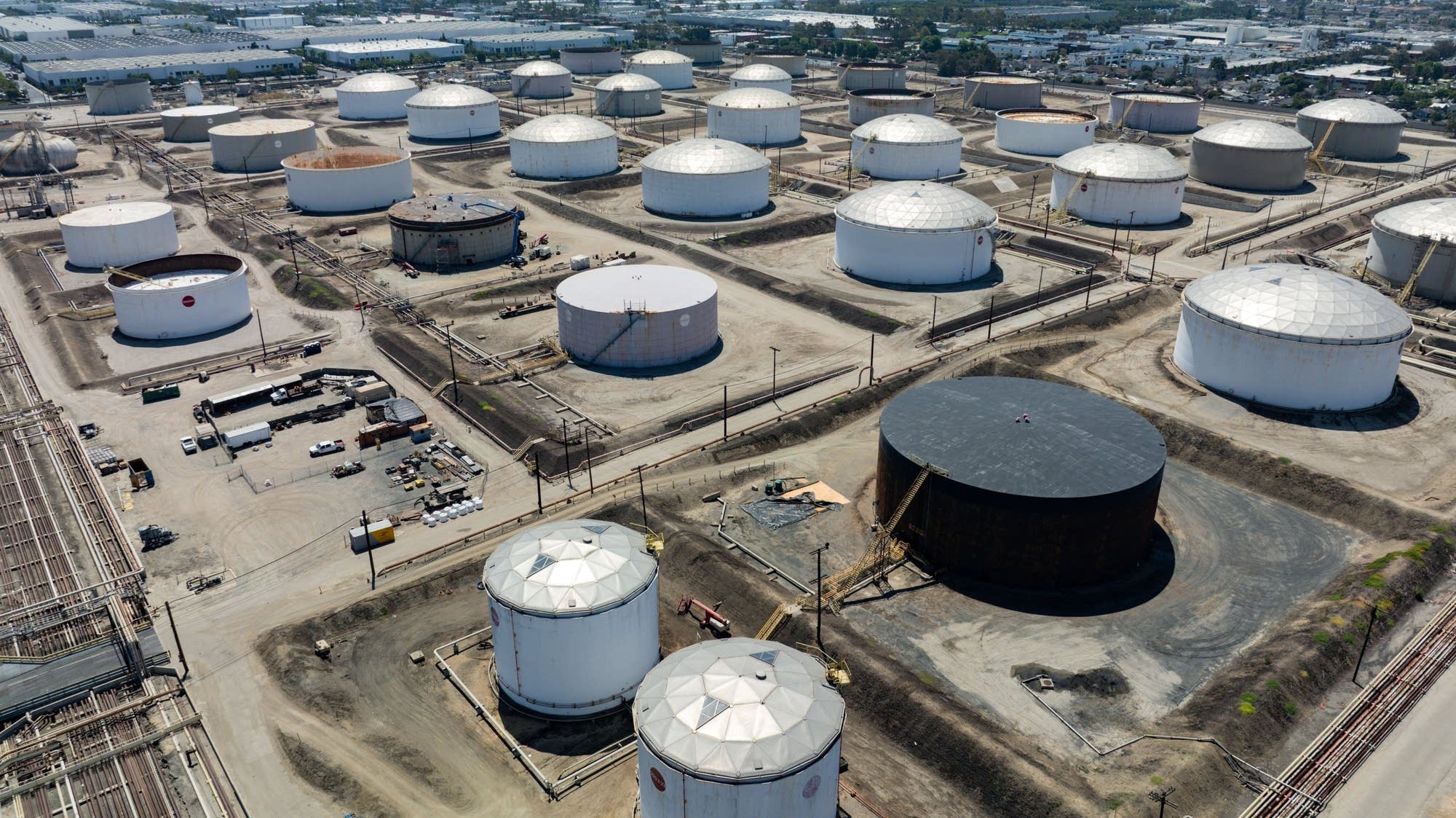
A tenuous deal with Iran — and millions of barrels of oil now flowing through the Strait of Hormuz — has pushed oil prices lower than they’ve been for months. However, that doesn’t mean prices will stay that way — or drop much further. A lot has to happen for the global oil market to get back to normal, including replenishing global inventories that helped weather this crisis in the first place. Even though the world has been dealing with the largest oil market disruption in history, according to Tom Seng, a professor of energy finance at Texas Christian University, “things could be a lot worse.” Seng said that the average gas price has been more manageable here because of all the oil the U.S. and other countries had in storage.“We did not get $5, but we didn't have any rationing,” he said.But now, strategic reserves — the oil that the U.S. government stores — are at their lowest level in 40 years. Commercial inventories have also been drawn down. Before the world can stop relying on its backup oil, a lot needs to be dealt with, like rerouted ships and damaged infrastructure, said Garrett Golding, assistant vice president at the Federal Reserve Bank of Dallas.“Fields that need to be restarted throughout the Persian Gulf that have been shut in since the beginning of this will take, in some cases, months to get back to full capacity,” Golding said. “We're still likely dealing with an oil market that has to rely on inventory drawdown for the next several weeks, if not longer.” Only after supply and demand rebalance can countries start to rebuild their reserves again. Skip York, a nonresident fellow at Rice University’s Baker Institute, said the U.S. should do it sooner than later. “You never know when the next crisis is coming,” he said. The U.S. was worse prepared for Iran, York said, because it didn’t aggressively stock up on oil after the Russian invasion of Ukraine: “The next crisis happened, and we were starting at a much lower level.” Lots of countries could end up replenishing their reserves at the same time. “There'll be a demand to fill reserves, which would be in addition to the whole normal global demand picture,” said Seng at TCU.Elevated global oil demand means that Seng is not optimistic for consumers. “I don't see pre-war oil prices for at least a year, if that,” he said.
As the oil crisis eases, the global scramble to replenish reserves begins
A tenuous deal with Iran has pushed oil prices lower, but U.S. strategic petroleum reserves are at their lowest level in 40 years and commercial inventories have been heavily drawn down.
404 words~2 min read