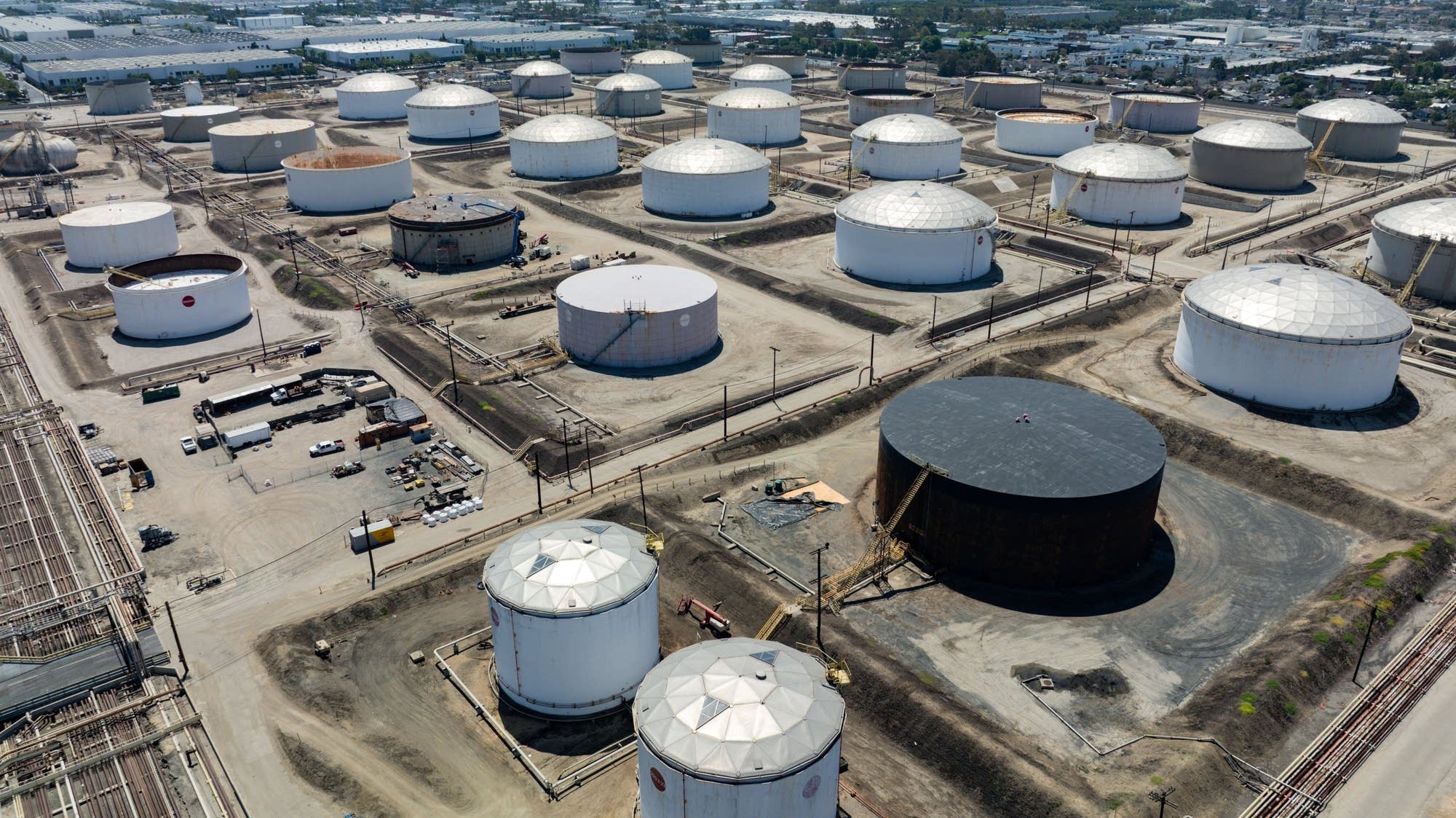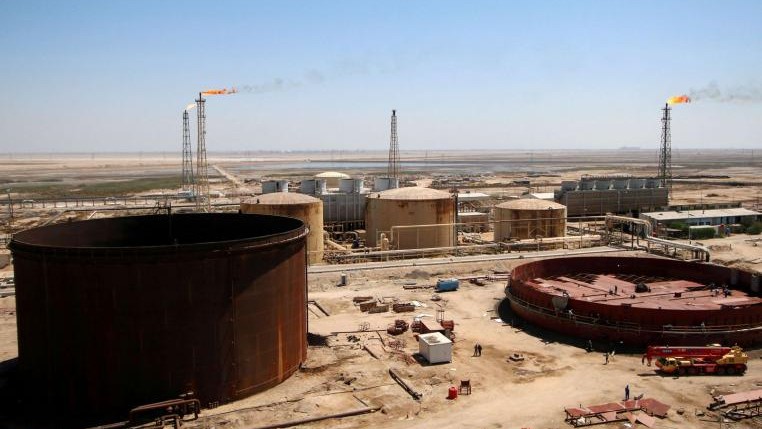
In the new energy equation that has emerged following the U.S.-Israel war against Iran, the key question is no longer how many dollars a barrel of oil costs, but how prepared the world is for the next geopolitical crisis. The answer is not found on price screens but in strategic reserves and storage facilities. Although the U.S.-Iran agreement has pushed oil prices lower, it has not replaced the strategic and commercial inventories consumed during the conflict. As a result, while the market is now facing cheaper oil, the global energy system has become more fragile from an energy security perspective than it was before the war.
At the most critical stage of the conflict, the International Energy Agency (IEA) launched one of the largest coordinated emergency interventions in its history. Member countries agreed to release a total of 400 million barrels of oil to the market. The primary objective of this move was not to permanently lower prices but to prevent physical supply disruptions from harming the global economy. In other words, throughout the war, the market remained balanced not only through new production but also through the release of oil held in storage.
According to Bob McNally, founder and president of Rapidan Energy Group and former White House energy adviser, the central issue facing markets after the war is not a shortage of supply but the repricing of energy security risks. In this context, countries may seek to rebuild their strategic and commercial reserves regardless of immediate consumption trends, creating a new inventory cycle that supports physical oil demand in the coming years.