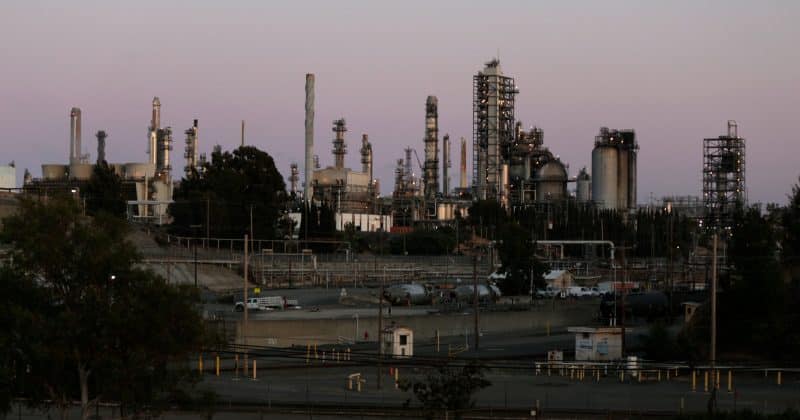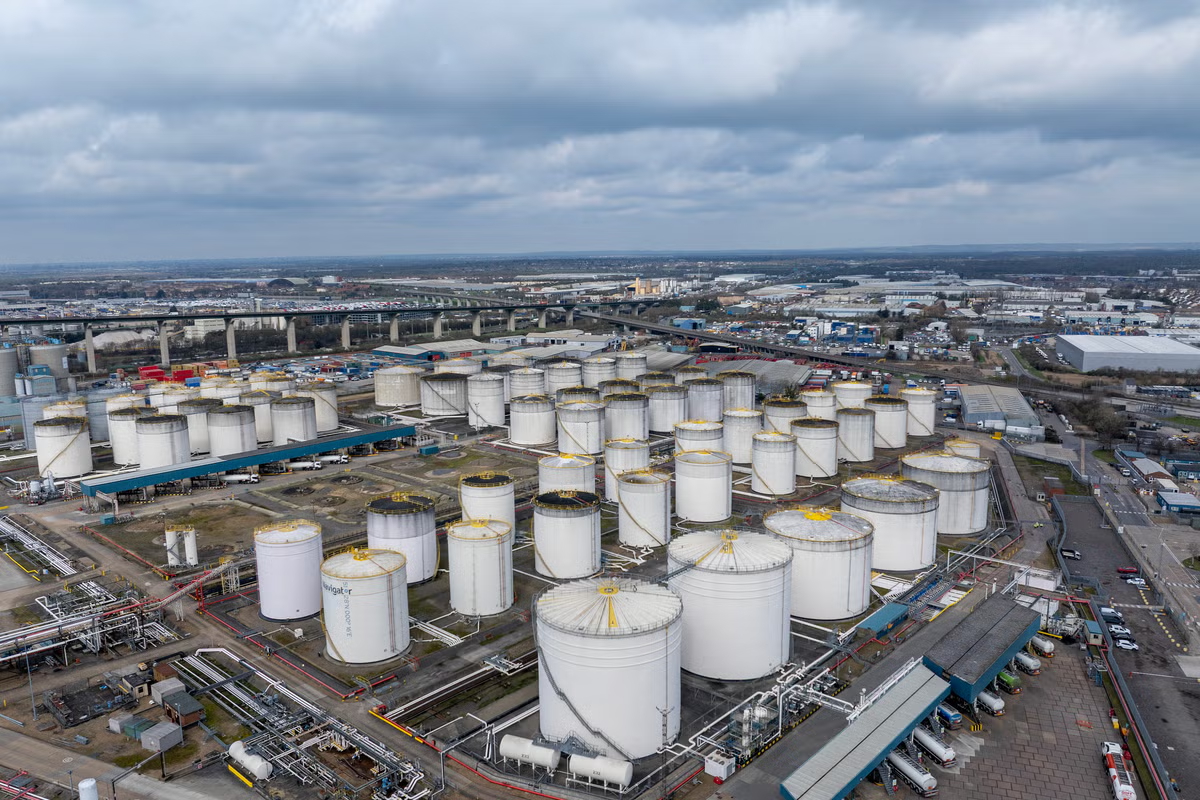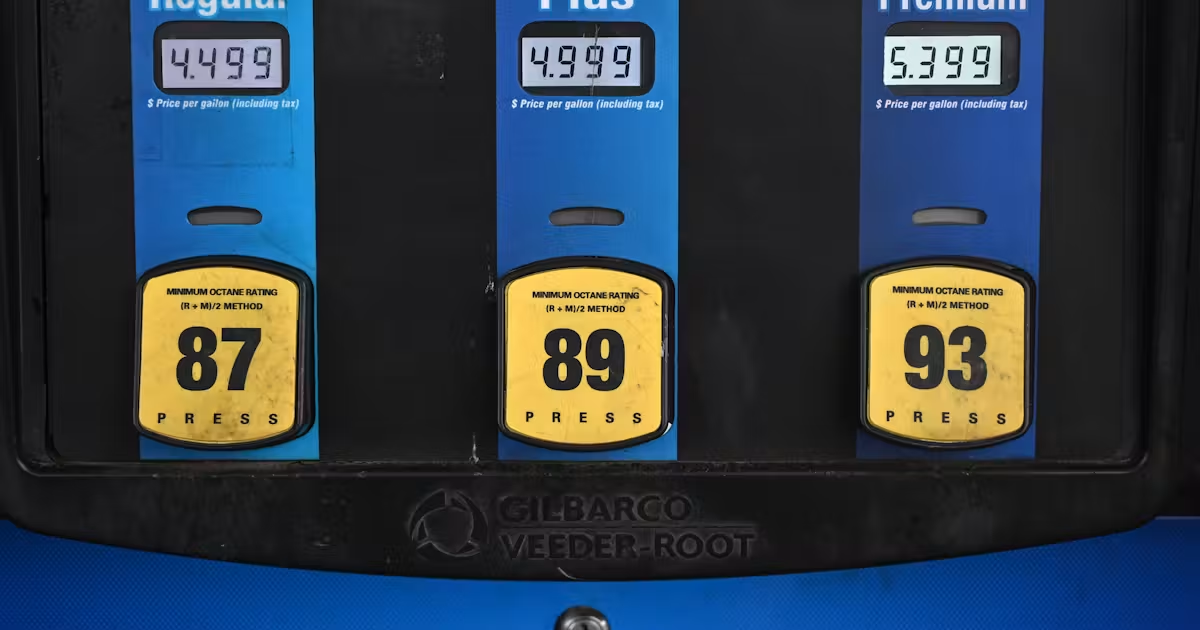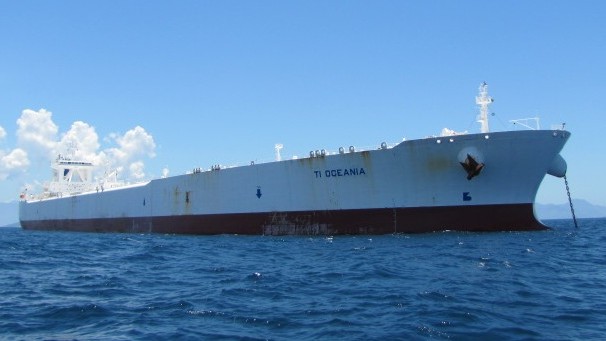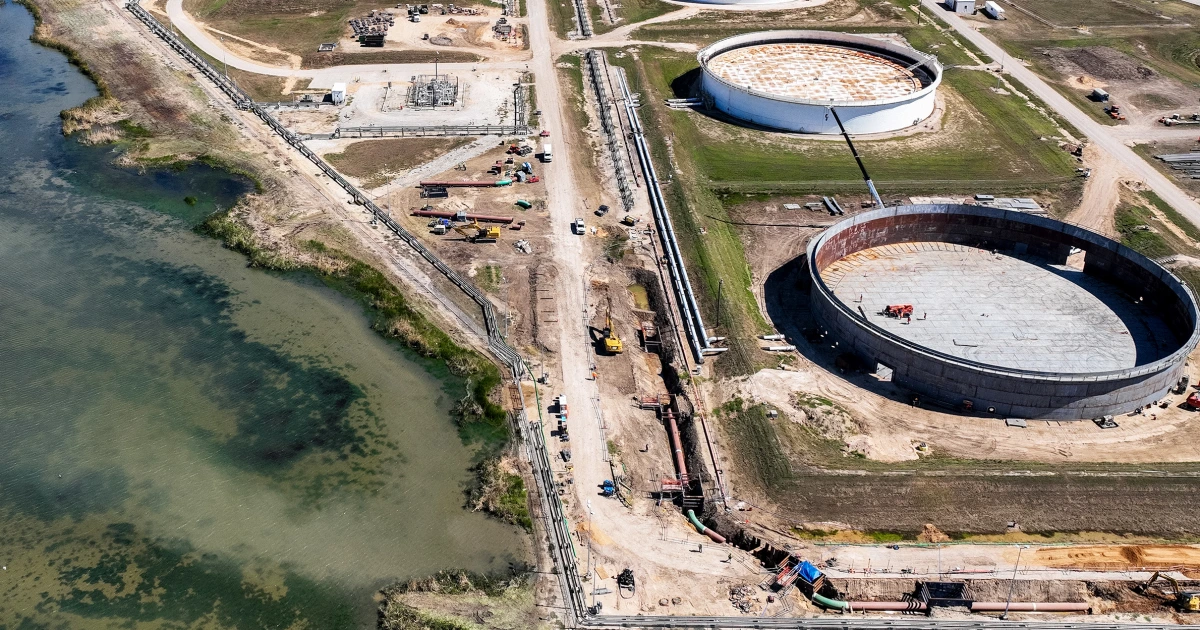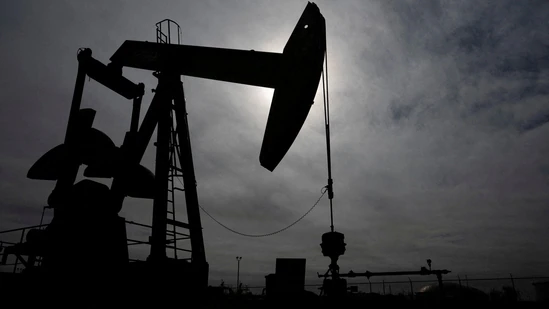
President Trump’s deal with Iran is set to reopen the Strait of Hormuz, but how quickly it can arrest a steep decline in oil stockpiles will determine the trajectory of energy prices in the coming weeks.FILE PHOTO: A pump jack operates near a crude oil reserve in the Permian Basin oil field near Midland, Texas, U.S. February 18, 2025. (REUTERS)For more than 15 weeks, the U.S. and other countries around the world have had to dip into oil tanks, salt caverns and strategic reserves to make up for the millions of barrels of oil trapped behind the strait. Now, the stocks are nearing critical levels, and energy executives say without an influx of more oil, prices will have to surge to stop the run on supplies.Mike Wirth, chief executive of Chevron, has repeatedly warned on television that the supply crunch will soon manifest itself around the world. Neil Chapman, the No. 2 at Exxon Mobil, has said the U.S. is approaching “unheard-of inventory levels.” Other executives, such as Wil VanLoh, of Quantum Capital Group, say “it’s going to get ugly.”“The world has never had to destroy 10 million barrels a day of oil demand,” VanLoh added, referring to the crude production not making it to global markets.Relief could be on the way. The U.S. and Iran agreed Sunday to a deal—set to be signed Friday in Switzerland—that would quickly reopen the strait, through which 20% of the world’s petroleum typically passes. But even if that deal holds, it would likely take months for the oil market to return to normal.Since late March, the U.S. has drawn about 66 million barrels of oil from its Strategic Petroleum Reserve, a system of salt caverns on the Gulf Coast that was created in 1975 after the Arab oil embargo. The Trump administration authorized the release of 172 million barrels—and if drawdowns continue at the current pace, that allotment could dry up in early September.The current release—if fully exhausted—is set to bring inventories down to 243 million barrels, a historically low level. Drawing further from the stocks after that would limit the U.S.’s ability to respond to new oil disruptions on the world’s stage, or natural disasters such as hurricanes that can damage fuel supply chains. The SPR peaked at more than 700 million barrels in 2009.Commercial stocks are also under stress. At the key storage hub in Cushing, Okla., inventories have dropped to 21 million barrels, down roughly 1 million barrels in the latest week. At roughly 20 million barrels, tank operators begin running into a variety of complications.Tanks typically have to have 10% to 15% of their capacity in storage to guarantee smooth operations. That is in part because the outlet allowing oil to flow is set at that level and sludge builds up at the bottom, said John Auers, managing director of refined fuel analytics at RBN Energy, part of analytics firm Novi Labs.“Whenever you get to tank bottoms, the whole operation gets bogged down,” he said. He cautioned the 20-million-barrel limit isn’t hard and fast, and operators would likely try to keep pumping crude out of the facility—albeit at a slower rate.Chapman, a senior vice president at Exxon, said physical oil prices could rise as high as $150 or $160 a barrel once the limits at global hubs are hit.“You can debate whether that’s going to hit those really low levels in two weeks or three weeks. But once you get to that point, then you’ll see prices shoot up,” he said at a conference in New York.Even if the strait soon reopens, Trump said steps will be needed to ensure mines have been removed. Oil shippers and their insurers are expected to remain cautious about traveling through the waterway. It would likely take even longer for the U.S. and other countries to replenish their depleted oil inventories, keeping prices elevated.U.S. oil prices fell 4.1% to $81.42 a barrel on Sunday evening shortly after trading opened. They have fallen more than 25% from early April, when they approached $113. Prices at the pump have fallen, too.Energy Secretary Chris Wright told The Wall Street Journal last week that Trump has been briefed on the inventory situation and the administration doesn’t foresee a jump in energy prices.“I don’t think so…we got a challenge, but I think we’re solving the challenge,” he said.At a Bloomberg event on Friday, Wright said 7 million barrels a day of oil and refined products were making it out of the strait with the help of the U.S. military. Wirth, speaking at that same event, seemed skeptical of that claim.“Our view would be it’s probably not quite that much,” he said.The Trump administration has suggested for months that the pressure on energy prices would disappear as soon as a deal with Tehran is reached. The president has also insisted that he doesn’t fear the political fallout from his war with Iran.But without a quick end to the conflict, declining inventories could create a perfect political storm in which prices continue to rise as the midterms approach and opinion polls show many Americans disapprove of the Iran war.The deal to reopen the strait and end the American blockade of Iran will set the stage for thorny nuclear talks to come, U.S. officials say. The two sides have had major differences over the American demand that Iran hand over or dilute its supply of highly enriched uranium so it can’t be used to make a nuclear weapon.Without a definitive resolution of the nuclear questions in the coming talks, the longer-term security of the strait would remain uncertain.“When the president forces this conflict to a successful end, gas prices will drop back to multiyear lows and global energy markets will be much more stable long term,” White House spokeswoman Taylor Rogers said.Write to Collin Eaton at collin.eaton@wsj.com, Benoît Morenne at benoit.morenne@wsj.com and Michael R. Gordon at michael.gordon@wsj.com
Oil Executives Are Sounding the Alarm Over Dwindling Stockpiles
The world is guzzling so much oil from commercial and strategic inventories that they risk falling below their minimum operating levels. | World News
976 words~4 min read