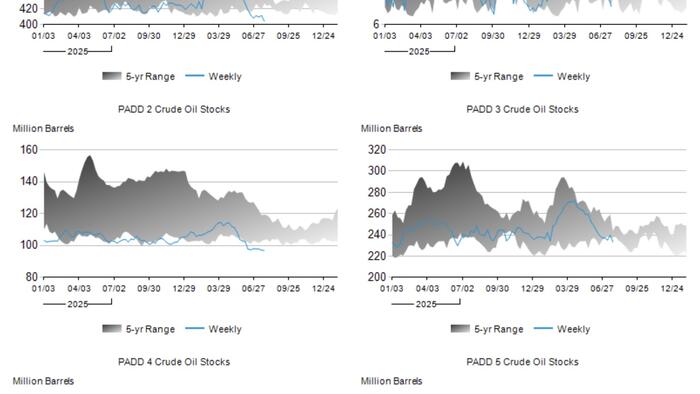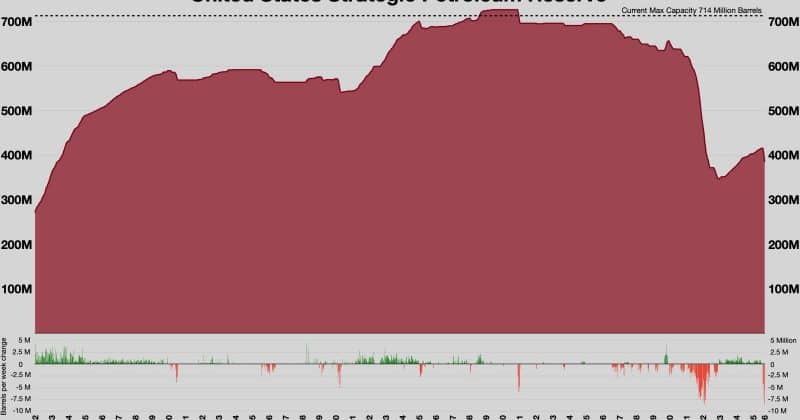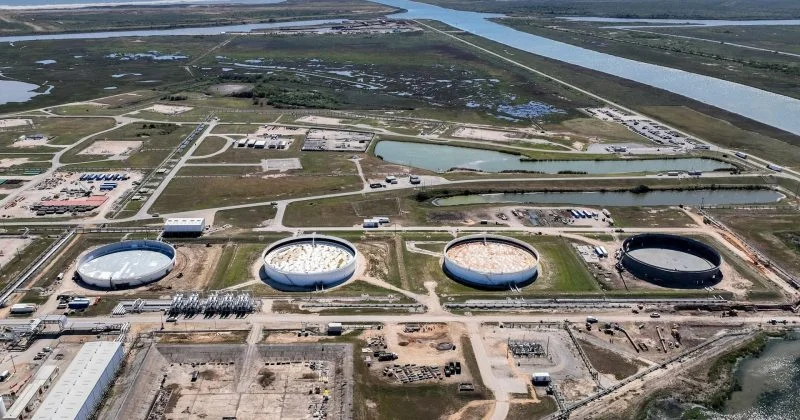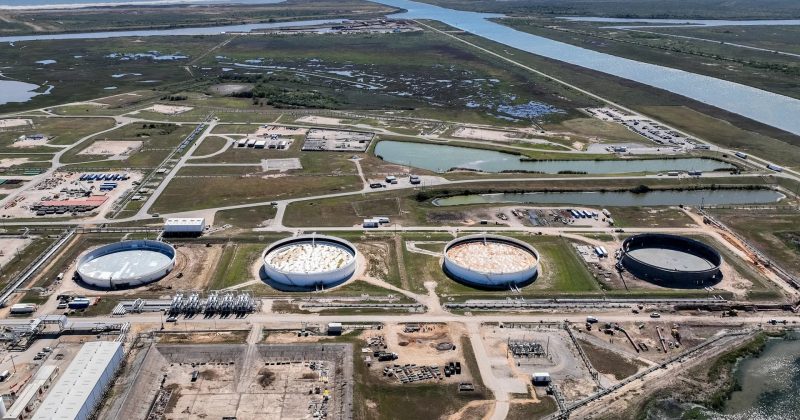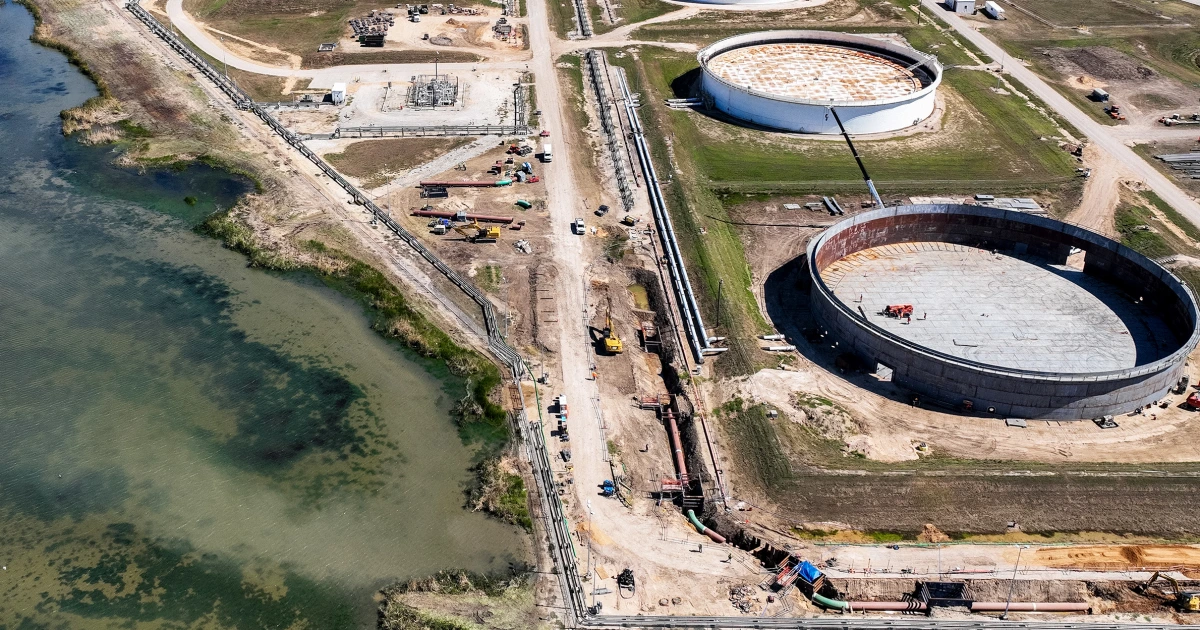
Crude oil stockpiles across the country continued to plunge this week, as the Trump administration tapped America’s backup supply of energy products to help keep gas prices down while the Strait of Hormuz remains effectively shut to vessel traffic.The draining of these stockpiles has caused the U.S. Strategic Petroleum Reserve, located in Louisiana and Texas, to fall to its lowest level since 1983, according to Energy Dept. data issued Monday. Inventories held at a second critical oil hub in Cushing, Oklahoma, tumbled to just 20 million barrels, according to data released Wednesday by the Energy Information Administration. That brings the country’s largest commercial storage facility to an “operational stress” level, according to Rory Johnston of the research firm Commodity Context. “Without any immediate relief on the horizon,” this is a “concerning pressure point,” Johnston said. Throughout the Iran war, U.S. oil refineries have been processing petroleum and selling it on the open market. But it’s not enough to make up for the lack of Persian Gulf supply.Last week, domestic refineries ran “at 96.7% of their operable capacity,” the EIA said in a report. Yet still, the reserves dwindled. During the second week of June, commercial stockpiles of crude oil fell 8.3 million barrels, while another 8.9 million barrels were drained from the Strategic Petroleum Reserve. It was the tenth straight week of declining U.S. reserves.Mixed messages from TrumpOn Sunday, President Donald Trump and Iran announced that a peace deal had been agreed to. Trump quickly said the critical Strait of Hormuz would reopen to maritime traffic “immediately after” the deal was signed on Monday. When that didn’t happen, Trump said the strait would open “upon the signing of the Deal on Friday.”As of Wednesday, the strait, through which more than 20% of the world’s energy supplies passed before the war started, remained at a near standstill. No text of a peace deal has been released by either Washington or Tehran. Even if an agreement is finalized, shipping companies say it could take weeks to reopen the Strait of Hormuz.Both the anticipation of a deal and Trump’s announcement Sunday helped push global oil prices sharply lower. Retail gas prices in the U.S. have fallen, as well. By the middle of the week, the average nationwide price per gallon of unleaded gas was just above $4.00, down more than 50 cents off its peak.But whether this week’s lower oil prices stay that way is far from guaranteed. Already, crude oil prices spiked higher by 1% Wednesday after the data on U.S. petroleum stockpiles was released.A looming price spike So far, supplies of oil from America’s strategic reserves have helped to keep gas prices lower than they would have otherwise been if the supply had not been tapped. But as this week’s data makes clear, this cannot continue indefinitely. “That’s the real question, is ‘How much longer can these measures kind of ameliorate the risk?’” Chevron CEO Mike Wirth said on Friday. “At some point, they may not be able to,” he told Bloomberg. Asked when he thought that might be, Wirth replied that it was “probably” in a July or August timeframe. Exxon Mobil senior vice president Neil Chapman was clear about what would happen if levels fell too far. “Once you get to that point, then you’ll see [the] price shoot up,” he told a Bernstein investment conference last month.
Critical oil storage hubs hit decades-low levels with no relief in sight
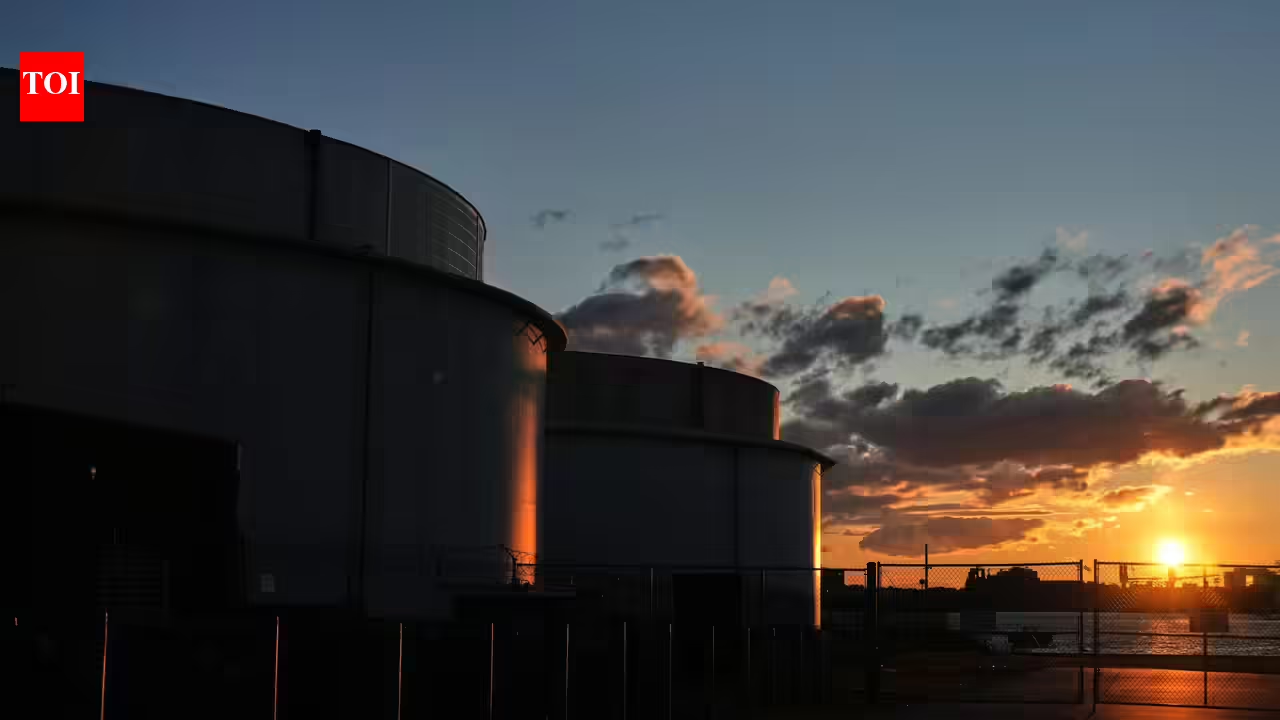
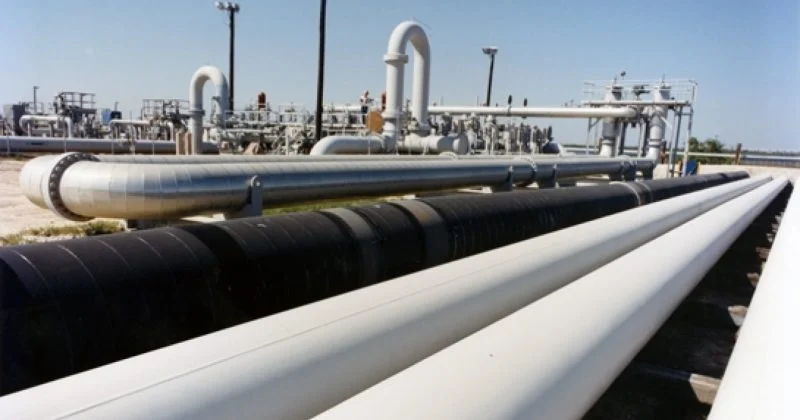
The country’s biggest commercial oil storage facility has reached an “operational stress” level.
559 words~3 min read