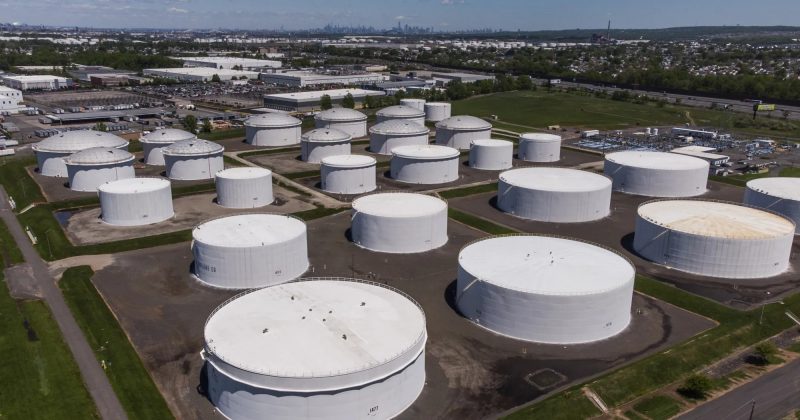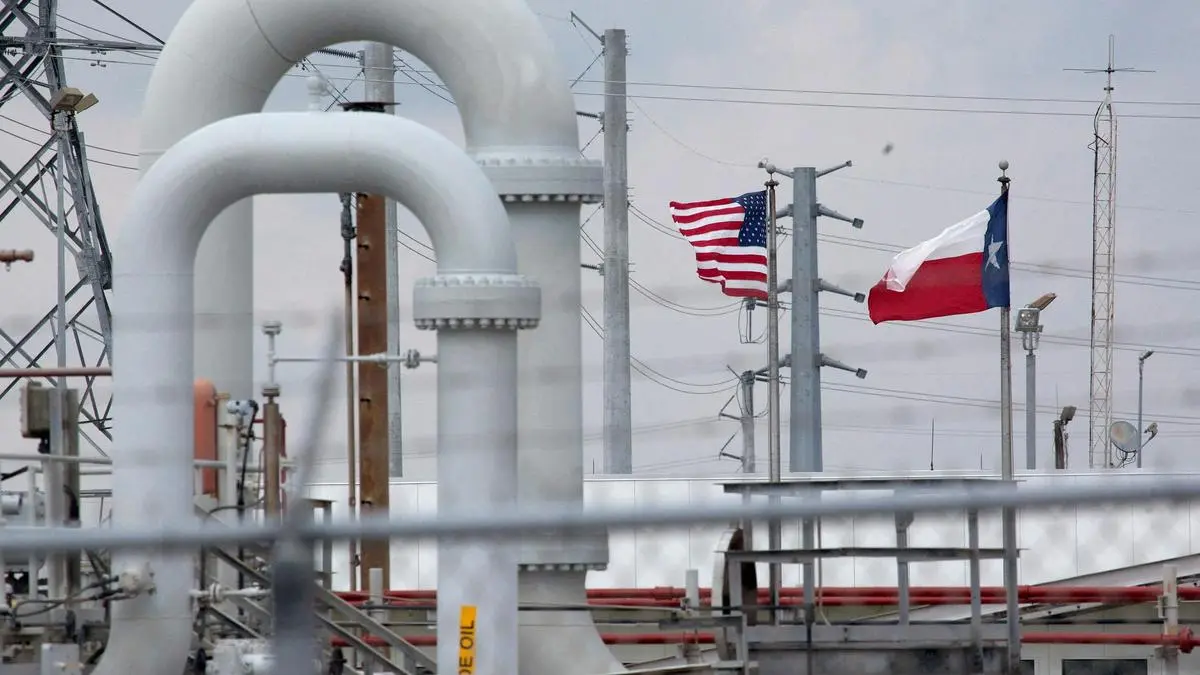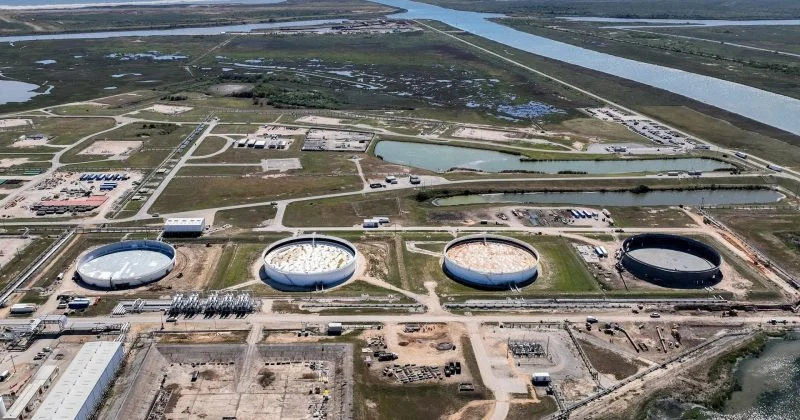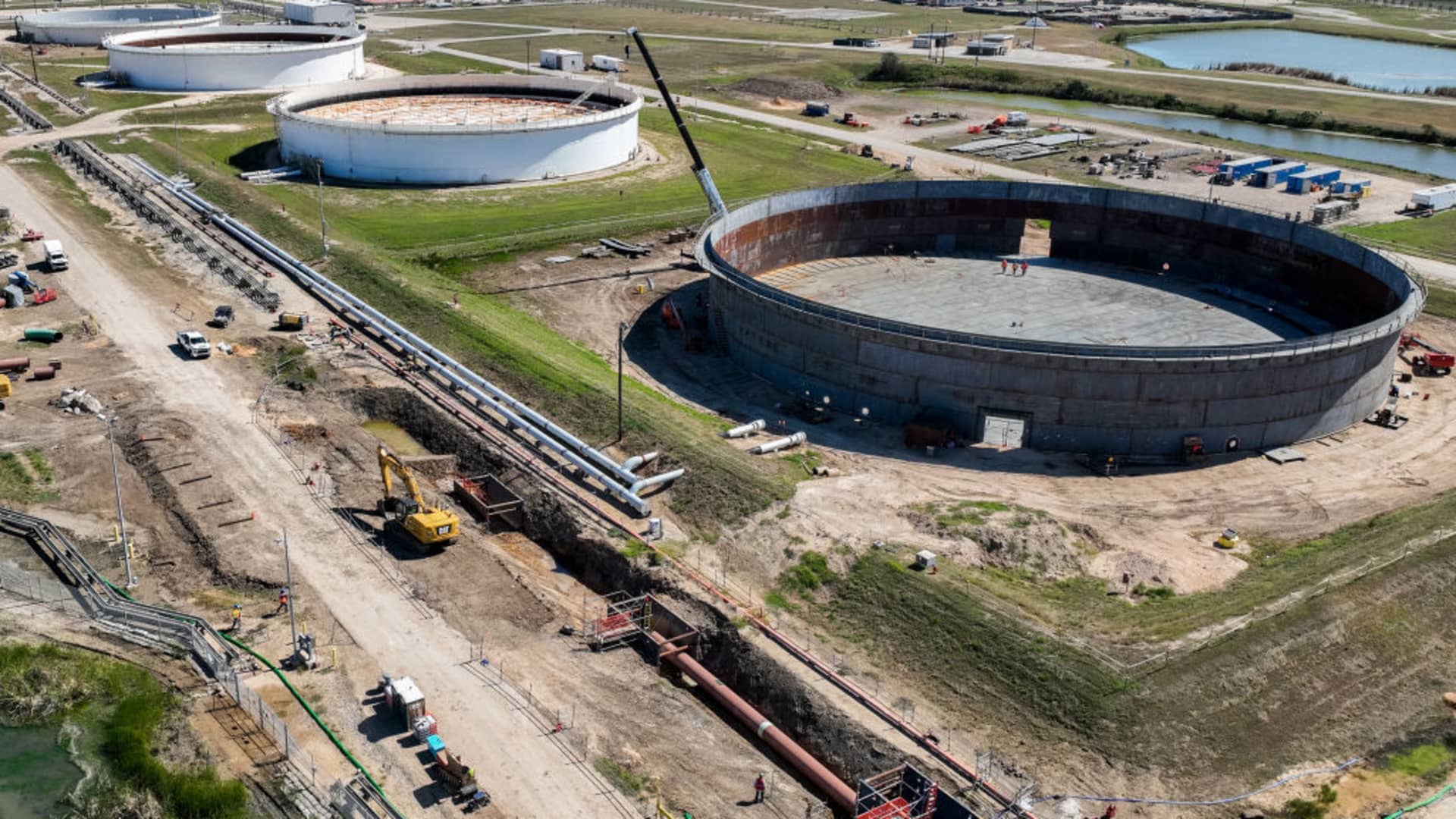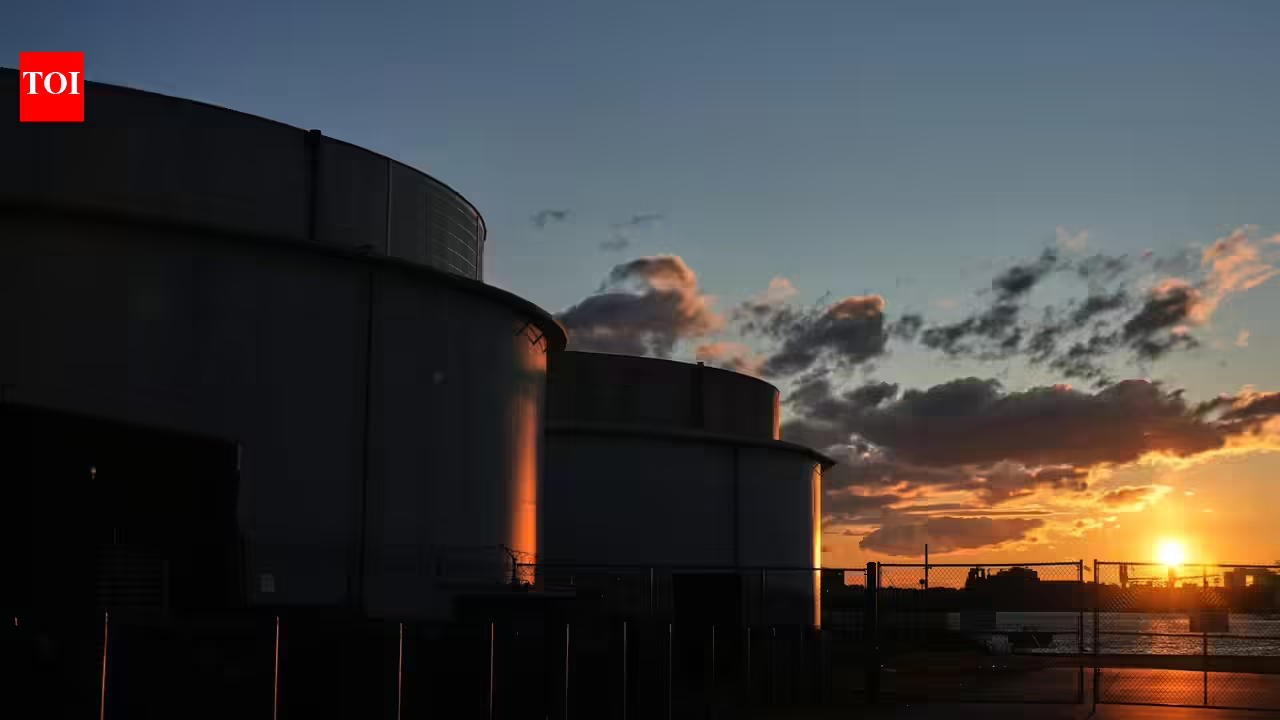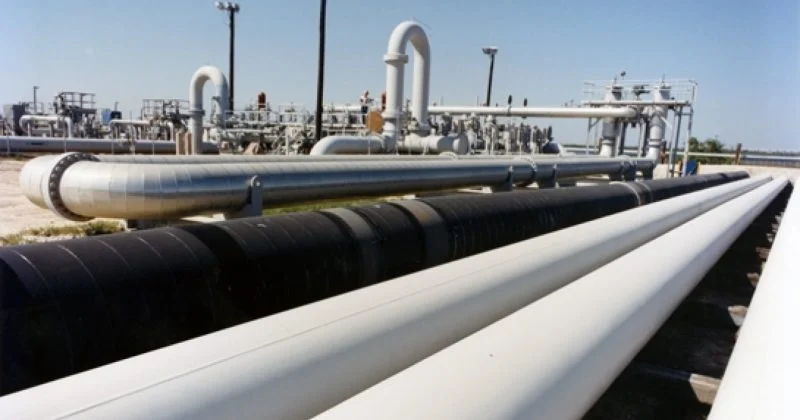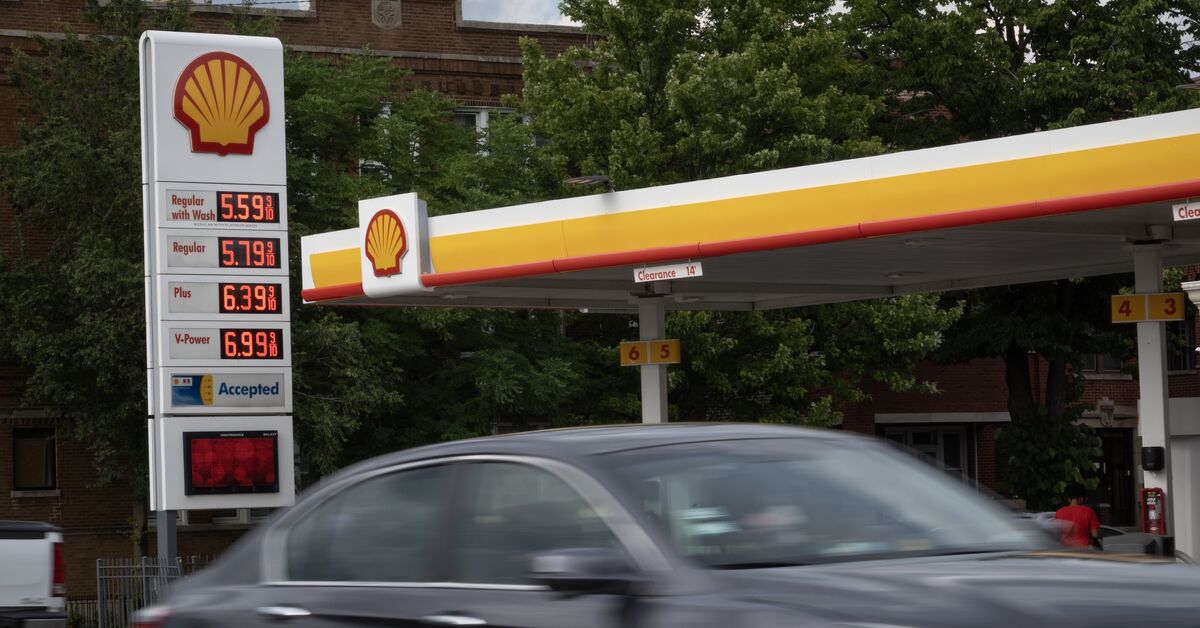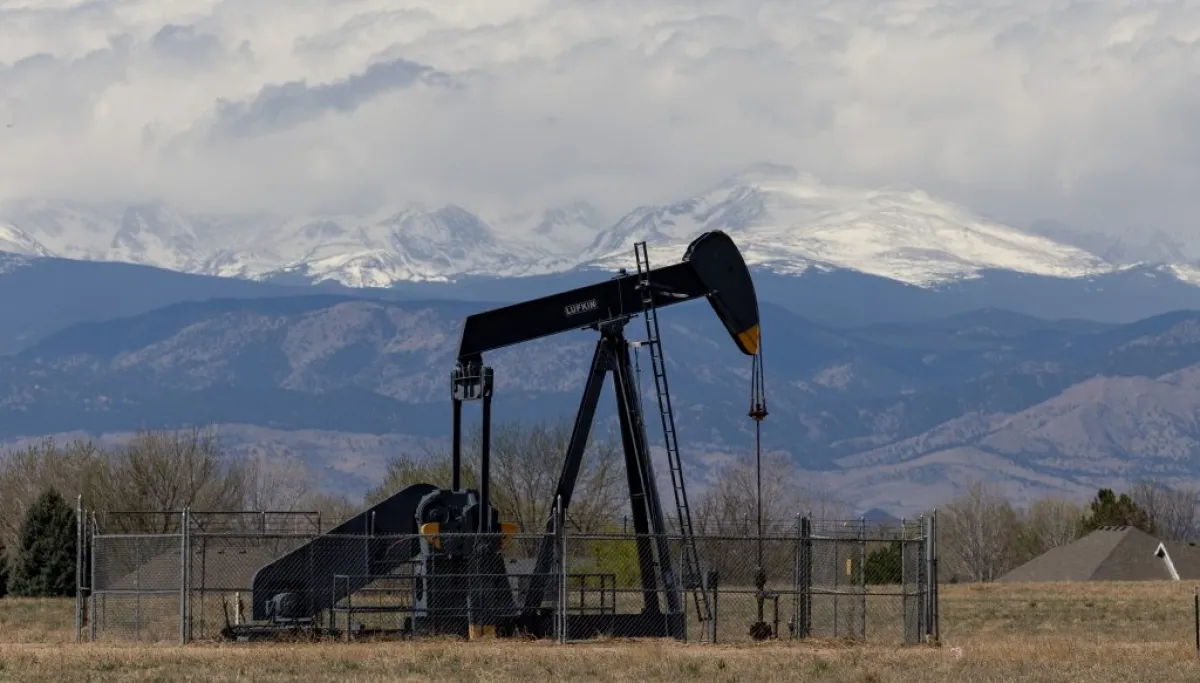
Emergency stockpiles of crude oil in the United States have hit the lowest level they have been since the 1980s, as the oil and gas markets grapple with the fallout from the war in Iran. The monthslong conflict disrupted more than 11 million barrels per day of oil from global trade, threatening supply worldwide and causing international and domestic crude prices to spike. Several nations, including the U.S., agreed to release tens of millions of barrels back into the markets to ease supply constraints, as the Strait of Hormuz, a key channel for oil traffic, has effectively remained closed since February. The crucial waterway, which saw roughly 20% of global oil demand transit through before the war, was expected to fully reopen on Friday, President Donald Trump said on Sunday, as part of a newly reached ceasefire deal between the U.S. and Iran.
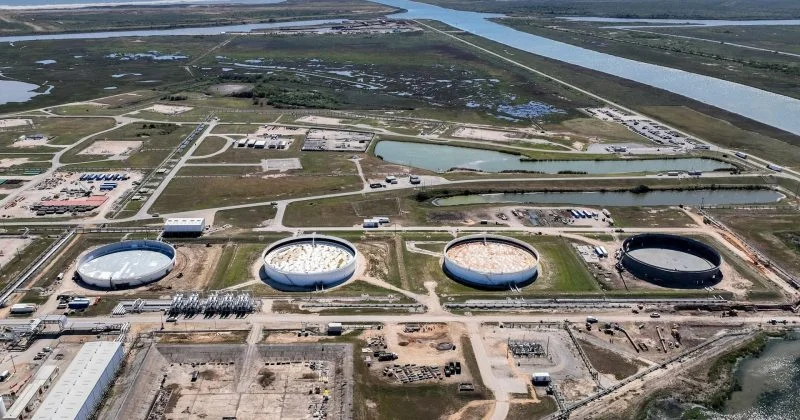
According to data released by the Department of Energy on Monday, there were 340.3 million barrels of crude in the Strategic Petroleum Reserve as of the week ending on June 12, the lowest level since 1983.
The U.S. first announced it would be drawing from its oil stockpiles in March, as part of a coordinated release with the International Energy Agency.