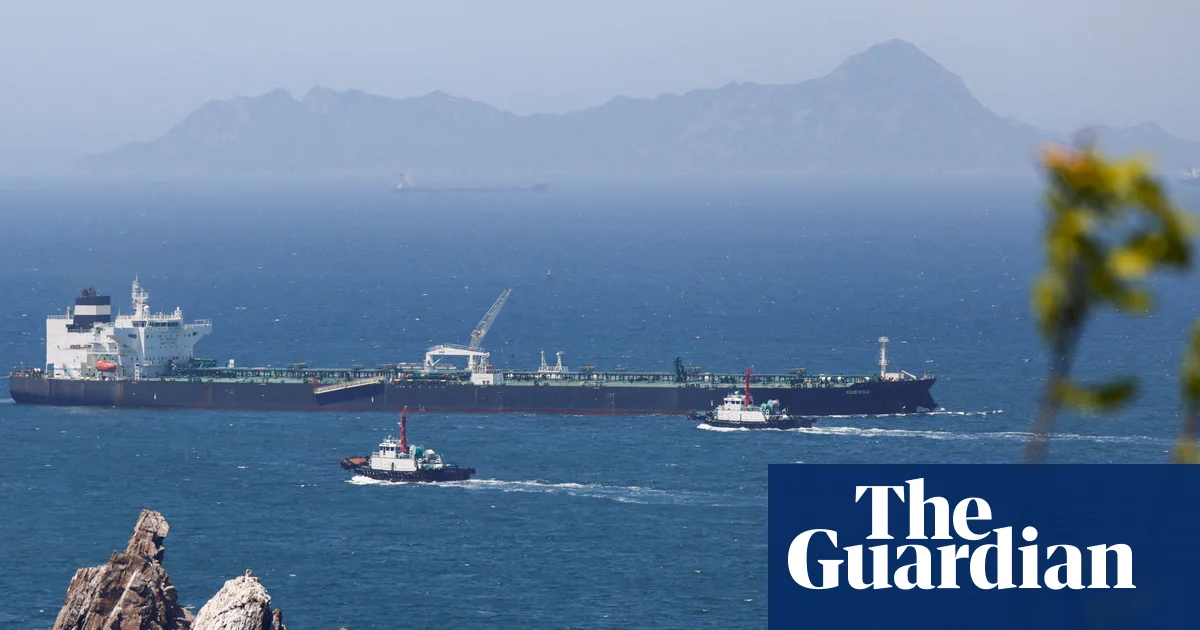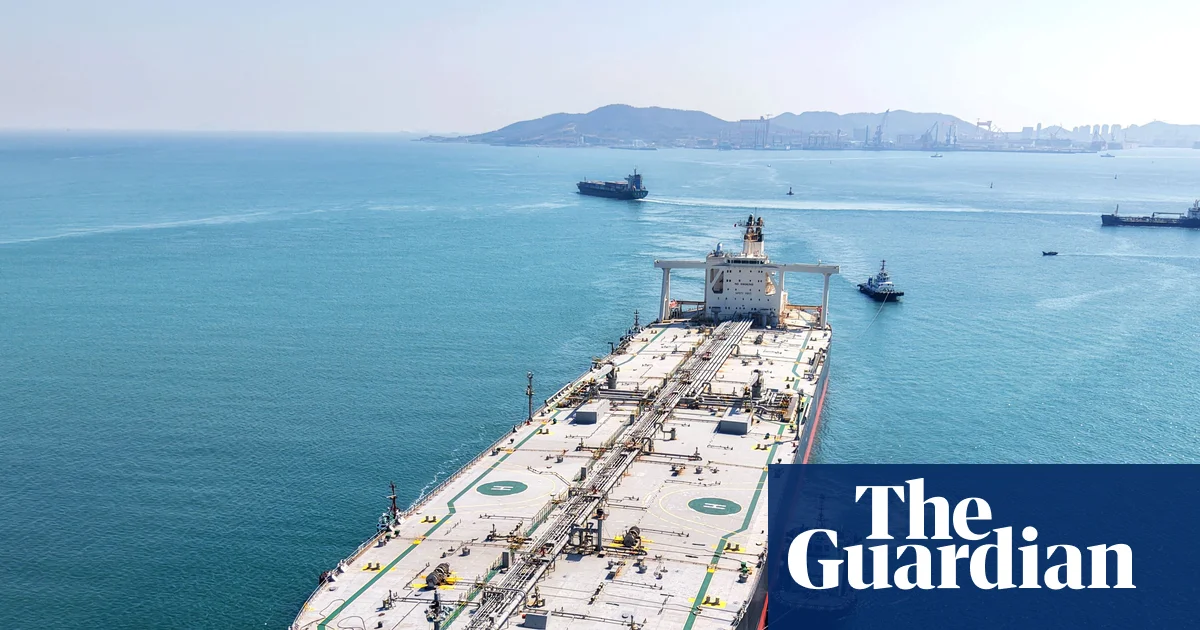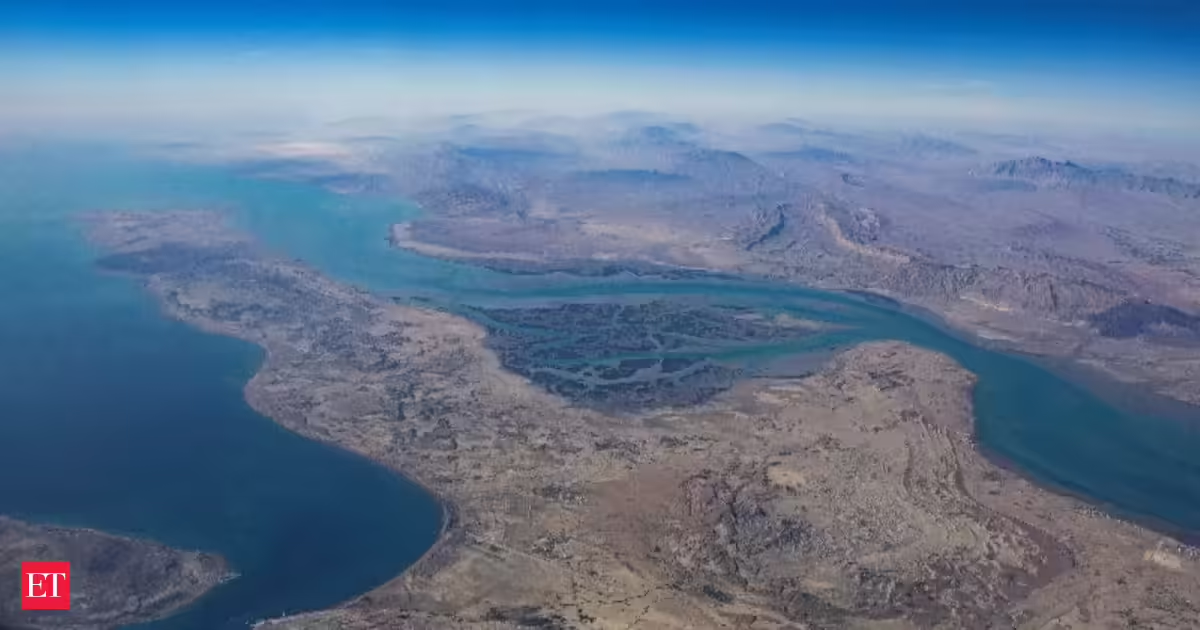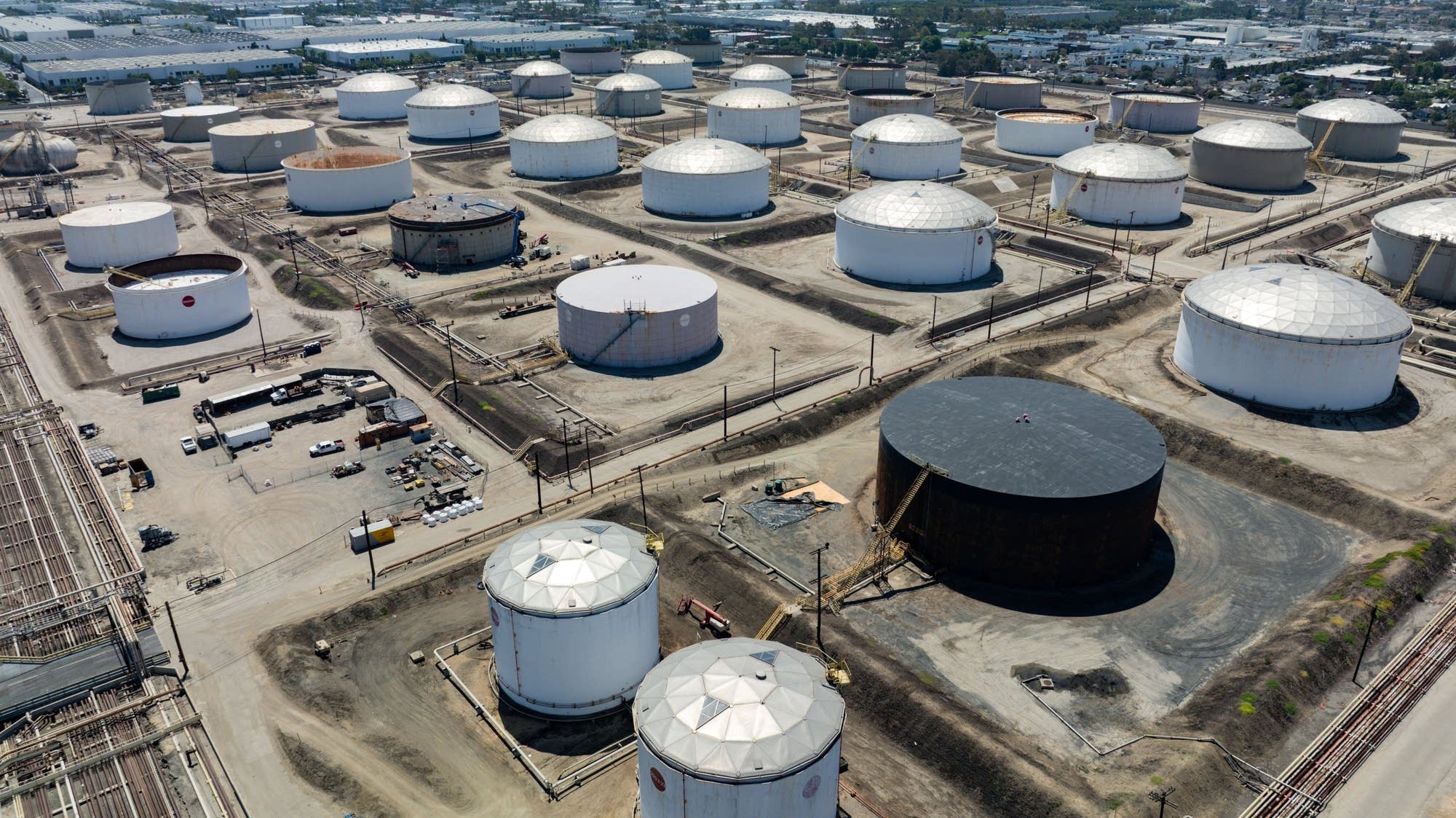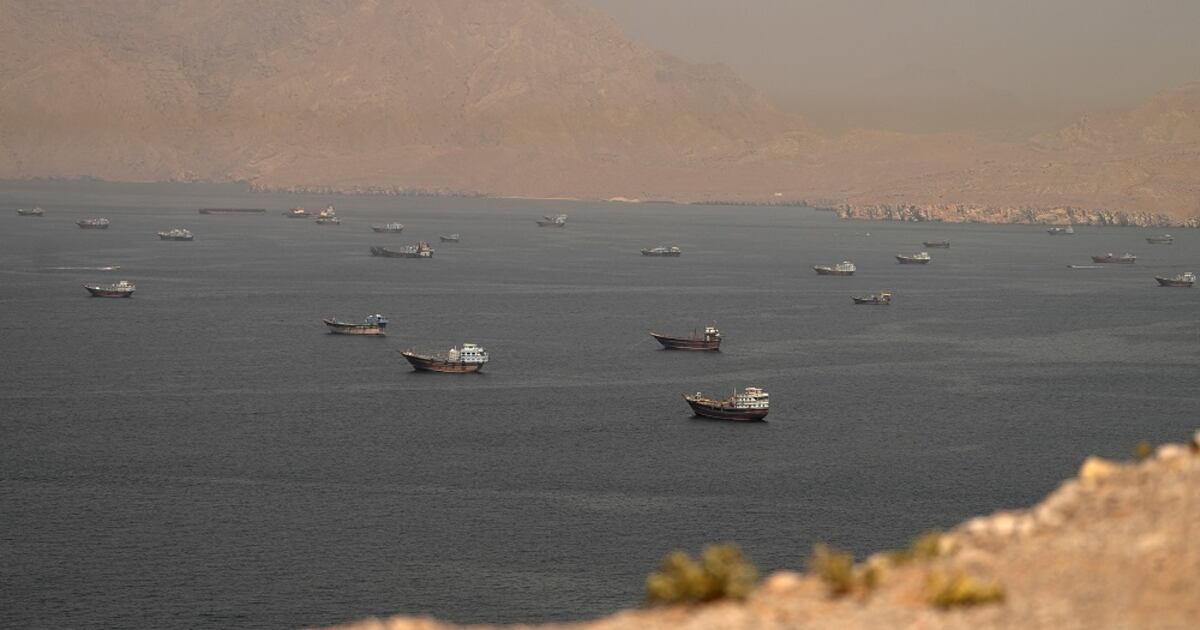
As oil benchmarks crash and Brent slips below $80 per barrel, a growing number of analysts are sounding an alarm: Hormuz may reopen, but oil production in the region would not rebound immediately—and the world’s oil inventories are depleting.Back in May, Carlyle Group’s Jeff Currie warned that by July, parts of the world would face what he dubbed “minimum operational levels” of crude oil supply due to depletion resulting from storage withdrawals to avoid shortages amid the Hormuz crisis.Energy Aspects analysts also noted, at the start of June, that even if a peace deal is signed, it would take a while for tanker traffic to return to pre-war levels. In the meantime, the world was using oil from inventories. As reports about a deal between the United States and Iran multiplied in the past few days, so did warnings about not expecting an immediate return to normal in terms of oil production and exports from the Persian Gulf.“While the conflict may have come to an end and oil flows through the Strait of Hormuz may gradually return to normal, the damage already done cannot be reversed overnight,” Phillip Nova analyst Priyanka Sachdeva said earlier this week, as quoted by Bloomberg. “This includes not only any physical damage to oil infrastructure but also the economic strain endured by oil-importing economies that have faced elevated energy costs for months.”The publication collected the reactions of several analysts from the energy space, and none of them supported the assumption that once the deal between the U.S. and Iran is signed—which is far from a certainty—oil flows via the Hormuz would miraculously rebound. A Vortexa analyst made an important point about insurance, as well. “If the US-Iran deal is completed and insurance companies are willing to insure the vessels, ballast tanker transits would increase, followed by the restart of crude production and then the restart of refineries,” senior market analyst Xavier Tang said. Meanwhile, oil industry executives have also stepped up warnings about the state of global oil inventories. “Over the next few weeks, we’re likely to see those pressures flow through more directly to physical prices, and there’s more upwards pressure that I would expect as we get into June and certainly into July,” Chevron’s chief executive Mike Wirth said in early June.“We’re approaching unheard of inventory levels,” Exxon senior VP Neil Chapman also warned on low inventory levels at the time. “I mean really, really low levels,” he said. “You can debate whether that’s going to hit, those really low levels, in two weeks or three weeks. Once you get to that point, then you’ll see price shoot up.”U.S. crude oil inventories have been on an extended decline, with the latest weekly report from the American Petroleum Institute showing the last nine weeks have seen the total reduced by 52 million barrels. Reserves at Cushing are also significantly down, to about 21 million barrels, according to a recent Wall Street Journal report that noted how “At roughly 20 million barrels, tank operators begin running into a variety of complications.”Such complications first surfaced about the strategic petroleum reserve system when the Biden administration released some 180 million barrels to rein in oil prices in 2022 after the West bombarded Russia with sanctions for its invasion of Ukraine. The complications arise from the need to keep a certain level of oil in the storage caverns so they can remain operational. The U.S. is not the only country that has been drawing on reserves to keep demand covered, which means demand to refill those reserves is looming over a market that has yet to return to normal operation and that still features rather healthy demand overall.Meanwhile, no one besides oil traders seems enthusiastic about the reopening of the Strait of Hormuz. Insurers, as noted by Vortexa’s analyst above, are taking a naturally cautious stance, waiting to see what happens on Friday and afterward before they return to business as usual. Shippers are not eager to get sailing, either. “We're not seeing any big shipowners changing their stance at this point. They're staying put for now,” the global head of shipping research at Oil Brokerage Ltd. told Bloomberg. “As of now, no one has a clear understanding of the terms and text of this agreement,” said Anoop Singh.It appears the oil market is once again in a dual reality. One side of that duality is the futures market, ruled by media reports that fuel optimism about the end of hostilities in the Persian Gulf and the normalization of energy trade, overlooking the numerous challenges on the way to that normalization. The other side is the physical market, which has seen actual oil prices soar much higher than the benchmarks on the futures market, and which has experienced significant inventory drawdowns that oil-importing nations would be eager to replenish at first opportunity—just in case.By Irina Slav for Oilprice.comMore Top Reads From Oilprice.comECB: Iran Peace Deal Won't Erase Europe's Energy Price ShockFalling Murban and Dubai Prices Open Arbitrage to U.S. and EuropePoland Moves To Tax Fuel Windfalls Earned During Iran War
State of Global Oil Inventories Ruins Iran Peace Optimism | OilPrice.com
Oil markets may be celebrating the U.S.-Iran peace deal too early, as reopening the Strait of Hormuz will not immediately restore tanker traffic, production, refining activity, or insurance coverage.
842 words~4 min read