Story audio is generated using AI
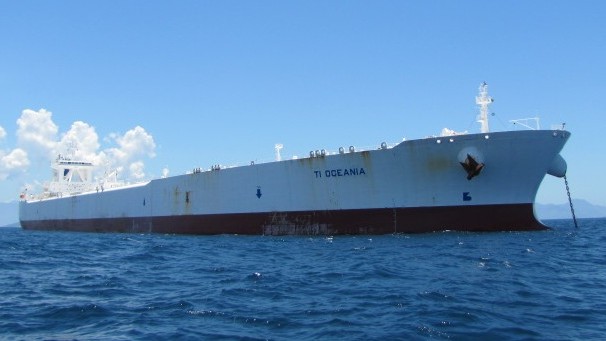
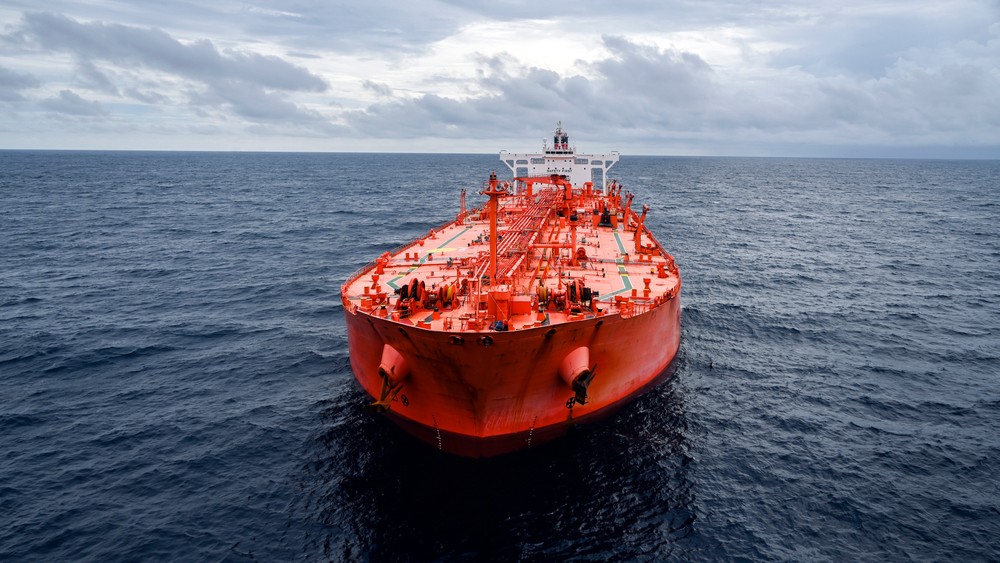
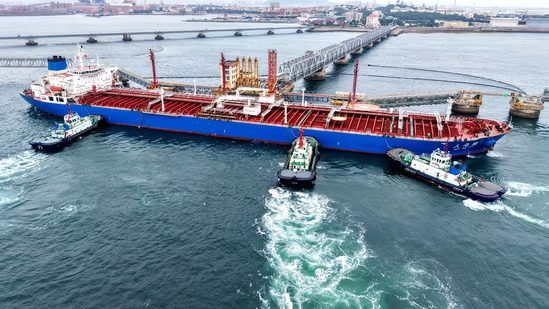
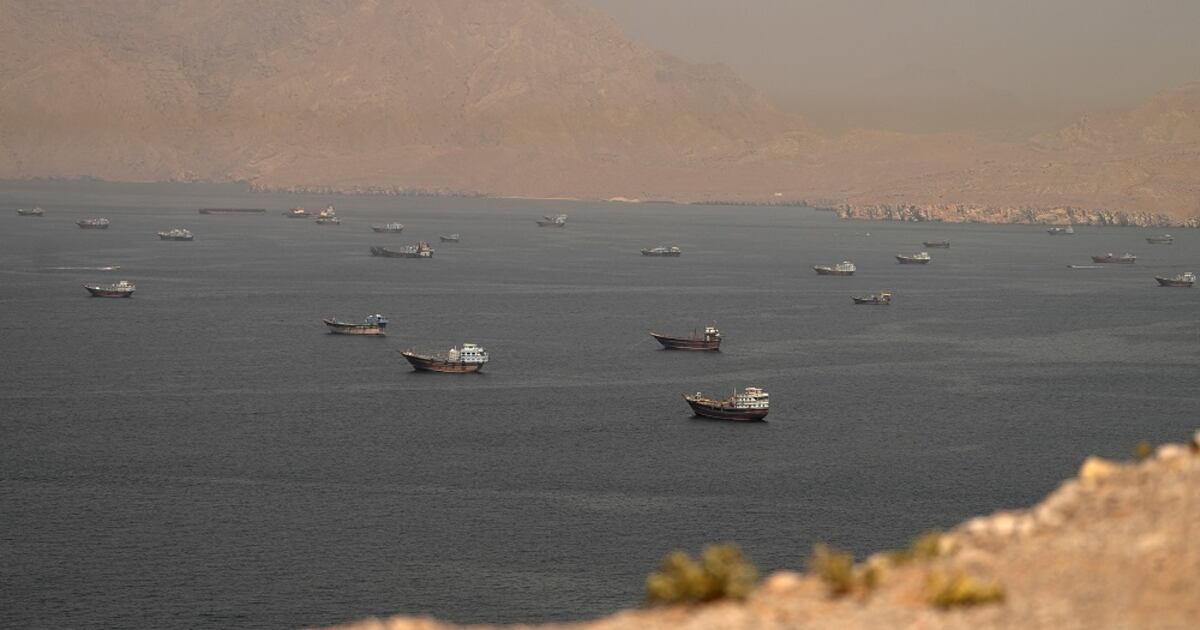
Continued uncertainty about the sustainability of the US-Iran peace negotiations, and specifically the status of the Strait of Hormuz, is hanging over oil markets, with analysts saying they doubt there will be a meaningful return to normal levels in the immediate future.Brent crude is now at just more than $80 a barrel as traders shift their focus from the announcement of an interim US-Iran agreement to what it could mean for the future of oil shipments through the strait.Brent traded at an intraday low of $76.54 on Thursday as markets digested the agreement between Washington and Tehran, prompting a fresh reassessment of supply risks.Brent has given back much of the war-related price gains built up during the conflict, when an almost entire closure of the strategic shipping route pushed prices to a high of about $119.50 a barrel on March 9.The memorandum of understanding (MOU) between Washington and Tehran eased immediate concerns about disruptions to shipments through Hormuz, but analysts say uncertainty around a 60-day negotiating period is preventing markets from fully adjusting to expectations of normal trade conditions.“The US-Iran agreement triggered selling across the oil market, but most participants are still unsure what it means for physical trade,” said Argus Analytics crude oil analyst Martha Tallas.Analysts said attention is now shifting from whether fighting has stopped between Israel and Hezbollah in Lebanon to whether the agreement can deliver lasting stability for oil shipments through the strait, one of the world’s most important energy shipping routes.The US-Iran agreement triggered selling across the oil market, but most participants are still unsure what it means for physical trade.— Martha Tallas, Argus Analytics crude oil analystDevelopments on Saturday resulted in further uncertainty before the talks on Sunday between the parties in Switzerland amid disagreements over Iran’s claim that it had again closed the strait.Reuters reported that while the US and Iran had agreed to a 60-day ceasefire for the negotiations, Tehran’s Islamic Revolutionary Guard Corps on Saturday declared the strait shut in response to Israeli strikes in Lebanon, though the US military said commercial vessels kept operating.Those developments could complicate the talks in which both sides want to advance the MOU brokered by Pakistan and signed last week by President Donald Trump and Iran’s President Masoud Pezeshkian to end an almost four-month-long war, Reuters said.Global energy price reporting and analytics firm Argus has increased its expectations for tanker movement through the strait in the short-term after signs of improved activity but still does not expect a meaningful return to normal levels before September at the earliest.The firm said differences remain between Washington and Tehran over the future status of the waterway, including whether passage will remain toll-free once the current 60-day negotiating period ends. That uncertainty has slowed the initial market reaction that followed the announcement of the agreement, as traders reassess how quickly supply routes can return to normal.They also said part of the war-related price gains remain embedded in the market.Argus head of oil analytics Francis Osborne said ship owners, operators and insurers are likely to remain cautious until there is clear evidence that the route can be used safely over time. He said ships and crews displaced during the conflict would take time to be repositioned, while oil production in the region could take four to six months to return to previous levels.“Moreover, some buyers who turned to alternative suppliers during the conflict may also not immediately return to previous supply patterns, which could keep trade flows below earlier levels even as conditions improve,” Osborne said.The market is also dealing with tight global oil inventories. Argus estimates that the world oil market faces a shortfall of 2.44-million barrels a day in the third quarter, which will need to be covered by drawing down stored supplies. By the end of the quarter, about 1.32-billion barrels are expected to have been withdrawn from commercial and strategic storage.