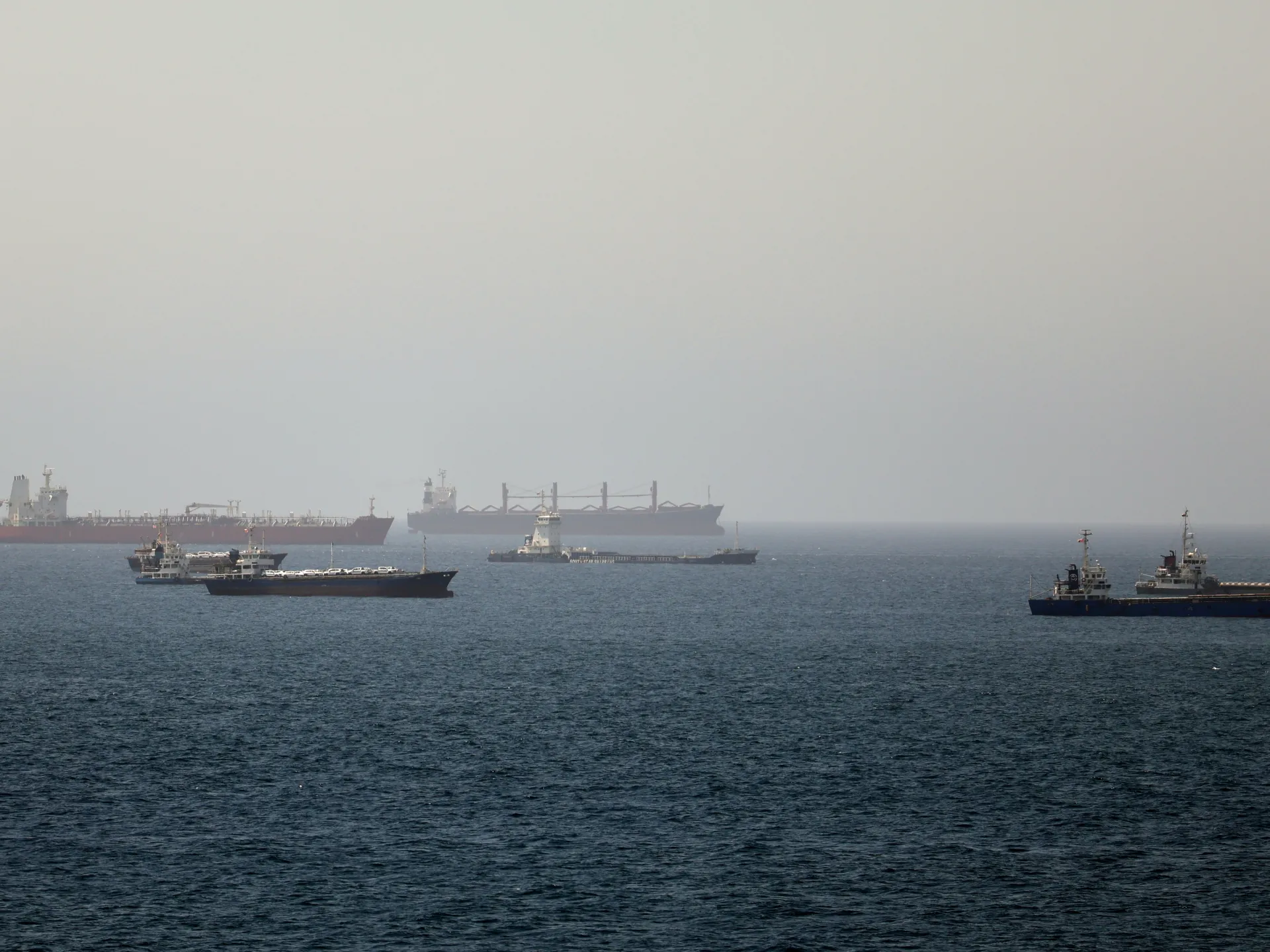
Oil prices briefly jumped back above $80 per barrel on Wednesday, interrupting a sharp slide this week as markets responded to news that the United States and Iran intend to sign an agreement on Friday aimed at ending nearly four months of conflict and restoring energy flows through the Strait of Hormuz.The rebound came as traders weighed lingering uncertainty surrounding the deal, with President Donald Trump signaling that military action could still resume. At the same time, the International Energy Agency today warned of a potential surge in global oil supplies in 2027 as Gulf production recovers.What happened: Early morning trading on Wednesday saw international benchmark Brent crude prices reach their lowest levels since early in March, just after the US-Israel-Iran war erupted and disrupted Gulf energy exports. That extended a slide that began after Trump announced on Sunday that Washington and Tehran had reached an interim agreement. Markets this week quickly welcomed news of a formal deal scheduled to be signed in Switzerland on June 19, which would extend the ceasefire for 60 days and unblock commercial shipping through Hormuz while negotiators pursue a broader settlement. But Wednesday showed that traders are still grappling with conflicting signals and uncertainties. After dropping below $78 per barrel earlier in the day, Brent spiked to nearly $82 just before 11 a.m. EST, before easing back toward $80. Overall, though, prices remain well below last week's levels and roughly 35% beneath their wartime peak in April.The price swings come as questions continue to swirl around the US-Iran deal and its implementation. Trump added to that uncertainty on Wednesday. "It’s not final. It's a memorandum of understanding. And if I don't like it, we'll go back to shooting at them, dropping bombs on their head,” Trump said on the sidelines of the G7 summit in Evian, France. The prospect of sanctions relief and the release of frozen Iranian assets has also drawn criticism in Washington. Meanwhile, Israel again struck Lebanon on Wednesday.While markets digest new signals ahead of Friday's expected signing ceremony, the IEA is signaling that the postwar oil market could face a significant surplus by next year. In its June Oil Market Report, published Wednesday, the agency projected global oil supply would rise from 102.4 million barrels per day in 2026 to 110.3 million barrels per day in 2027 as Gulf production recovers, compared with expected demand of 105.3 million barrels per day, which would represent only a modest increase over 2026 demand.The agency also downgraded its 2026 demand outlook, citing a sharp decline in recent deliveries. It said the eventual return of Iranian exports and recovering Gulf production would drive much of the supply growth, though operational and political constraints could delay a full restoration of flows. The United Arab Emirates was identified as a major source of future output growth following Abu Dhabi's departure from the Organization of the Petroleum Exporting Countries on May 1.Why it matters: Oil market volatility has defined the US-Israel-Iran war as traders have scrambled to respond to new diplomatic developments and military escalations. Wednesday's brief rebound in crude prices shows that confidence in a US-Iran agreement still remains somewhat brittle even as negotiations appear to be nearing completion.Still, industry watchers are already looking past remaining price jitters as the IEA forecasts the market shifting from wartime shortages to potential oversupply next year. This should push down prices further while offering countries an opportunity to replenish depleted inventories and build new strategic reserves as governments review energy strategies and policies in response to the Hormuz crisis. And though shipments through Hormuz have already begun recovering, a full normalization of trade flows is likely to take time.Know more: The UAE is working on a plan to end its dependence on the Strait of Hormuz, Abu Dhabi's minister of foreign trade, Thani Al Zeyoudi, told Bloomberg on Wednesday, saying the country is moving toward having zero dependency on the strategic waterway.
Oil’s slide wavers as Trump warns US-Iran deal ‘not final’
Brent crude prices briefly jumped back above $80 per barrel on Wednesday as traders digested conflicting signals about efforts to end the war and reopen Hormuz.
653 words~3 min read