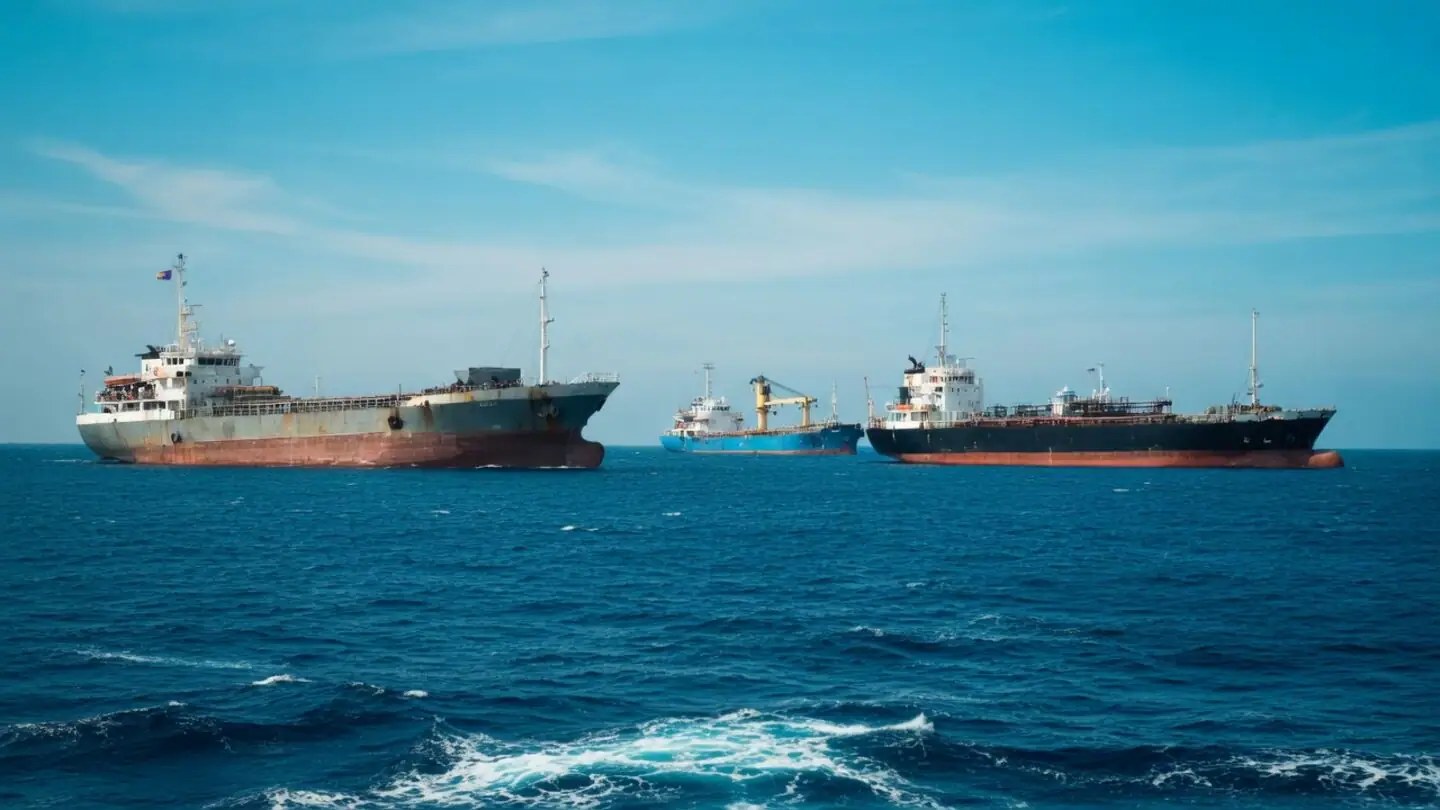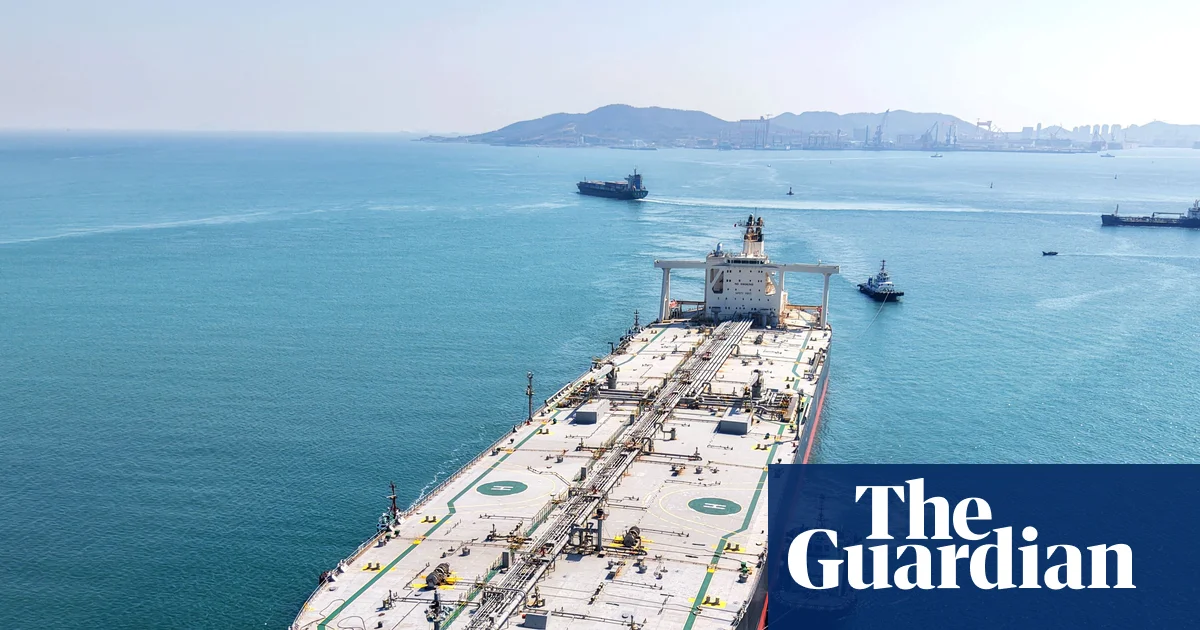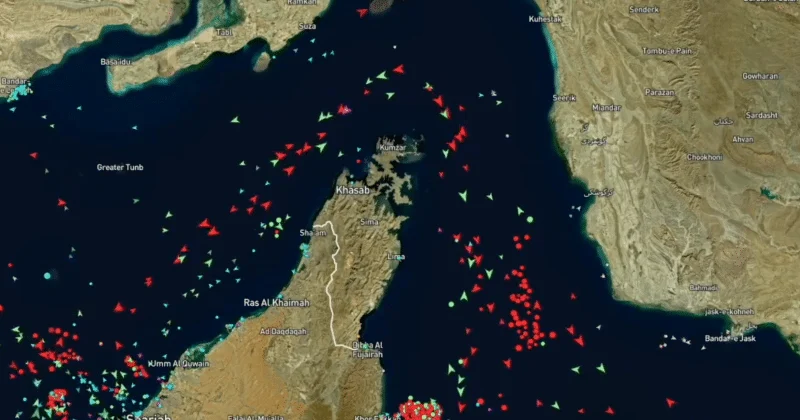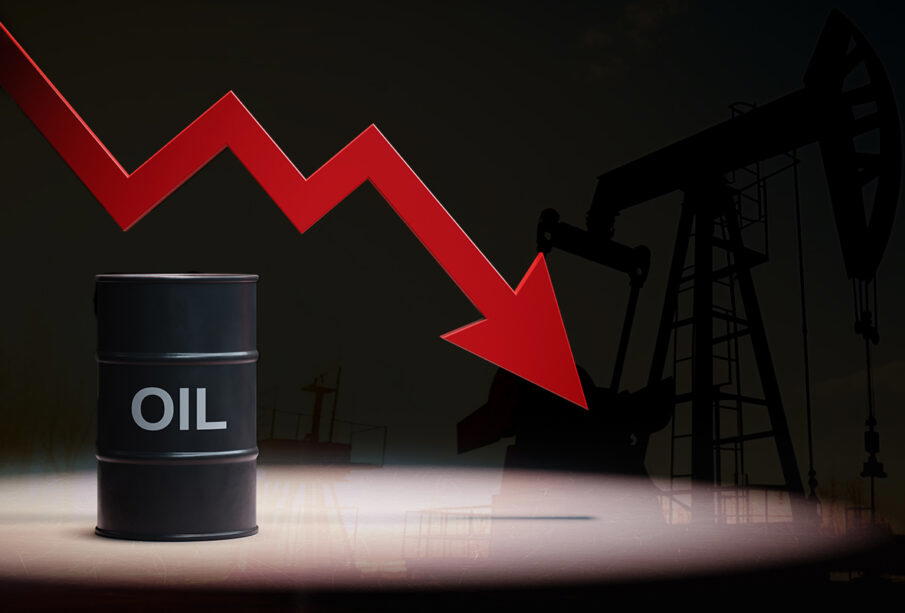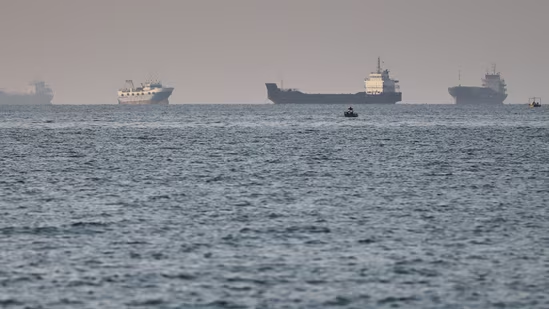
Brent crude prices: Global oil prices dropped sharply after the United States and Iran announced an interim agreement to end their months-long conflict, raising hopes that the Strait of Hormuz — one of the world's most important energy shipping routes — could reopen once the deal is formally signed on Friday.Peace deal ‘sealed’ to end 106-day war; Strait of Hormuz expected to open on Friday. (AP Photo)The development eased fears of prolonged supply disruptions that had unsettled energy markets for months, prompting traders to reassess the risk premium built into crude prices.Brent crude fell nearly 5% to around $83 a barrel after ending last week at a three-month low, while West Texas Intermediate traded near $80, Bloomberg reported.Trump signals reopening of the StraitUS President Donald Trump said he had authorised the reopening of the strategic waterway and the removal of the US blockade on Iran.Also read | US-Iran deal 'completed': Inside the draft that will end a 3-month-old warHe wrote that he was authorizing the "toll free opening" of the Strait of Hormuz, along with ending the blockade of the Islamic Republic, with the passage expected to reopen after the agreement is signed on Friday.Celebrating the development, Trump said,"let the oil flow!"Agreement confirmed, but details remain under wrapsIran's Deputy Foreign Minister Kazem Gharibabadi confirmed that an agreement had been reached between the two sides. However, he said the text of the understanding would only be released after the official signing ceremony in Switzerland.Also read | World leaders welcome US-Iran peace deal as a major diplomatic breakthrough for Middle EastUS Vice President JD Vance said he "certainly" plans to attend the event, adding that it was also possible that Trump could be present.For now, the precise details of the agreement remain unavailable, leaving markets and industry participants waiting for greater clarity.Other markets also reactThe impact extended beyond crude oil. European natural gas futures fell by as much as 5.8%, while the weakening US dollar supported gains in gold and copper prices. Agricultural commodities, however, moved lower.Despite the optimism, analysts cautioned that reopening the Strait of Hormuz does not automatically mean a return to normal operations.Clearing mines from the waterway and addressing Iran's plans for greater oversight of vessels using the route remain significant challenges. Insurance costs for ships could also stay elevated.“We still need to understand what the deal means,” Chris Weston, head of research at Pepperstone Group Ltd told Bloomberg"Even with the strait slated to open on Friday, there could be mines still, and insurance providers could be charging high rates."Market indicators also reflected changing expectations. Brent's prompt spread narrowed to less than $1 a barrel in backwardation, down sharply from more than $12 recorded in April, suggesting easing concerns over immediate supply shortages.Conflict had disrupted a key global oil routeThe war has dominated global energy markets since it began in late February, when the United States and Israel attacked Iran over its nuclear programme. Iran responded with strikes across the Persian Gulf and shut the Strait of Hormuz, a route that during normal times carries roughly one-fifth of global oil supplies.The United States later imposed its own blockade on vessels linked to Iran, further complicating regional shipping.While oil prices initially surged after the conflict erupted, they gradually retreated in recent weeks amid repeated indications that Washington and Tehran were moving closer to an agreement. The partial resumption of some crude shipments through the strait also helped calm markets.(With inputs from Bloomberg)
Crude oil price today: Oil rates slip as US-Iran deal raises hopes for Strait of Hormuz's reopening
Brent crude fell nearly 5% to around $83 a barrel after ending last week at a three-month low, while West Texas Intermediate traded near $80. | World News
572 words~3 min read