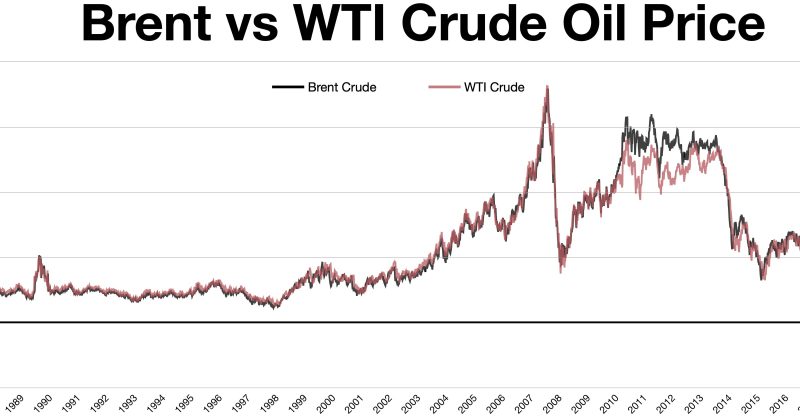
Brent crude crossed back above $80 per barrel on June 19 after the US and Iran scrapped planned diplomatic talks. Just days ago, markets were breathing a sigh of relief. Now, traders are back to stress-refreshing their screens.
The cancellation effectively hit pause on an interim peace framework that US and Iranian officials signed around June 14-15. That agreement was supposed to reopen the Strait of Hormuz, extend a ceasefire, and generally convince the world that the adults were back in the room. Oil prices had dropped 4-5% in response to that deal.
Why the Strait of Hormuz matters to everything
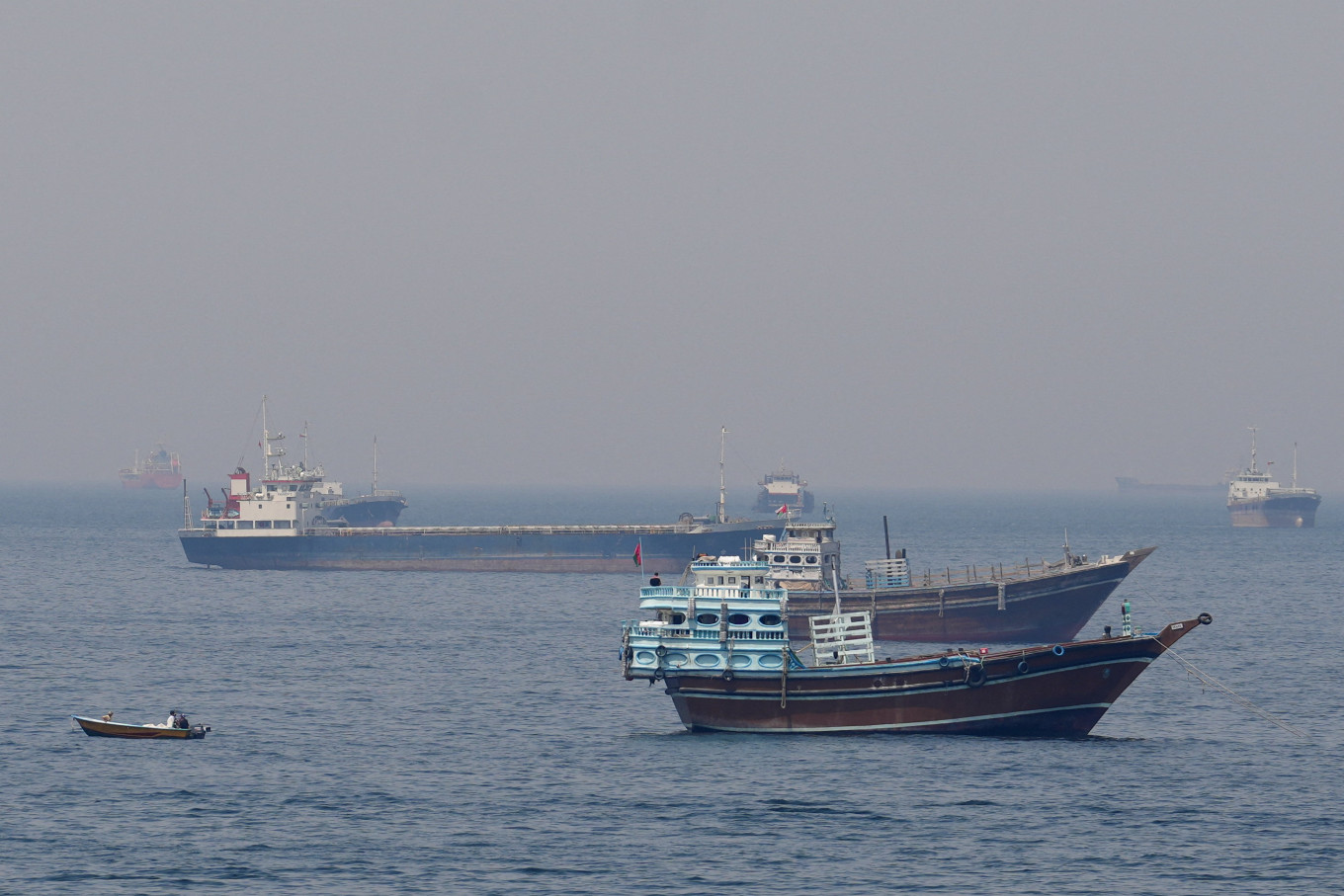
Roughly 20% of the world’s oil supply passes through the Strait of Hormuz. When that bridge gets blocked, things get expensive fast.
The US-Iran conflict kicked off on February 28, 2026, and the market reaction was immediate and brutal. Brent crude, which had been sitting comfortably in the $70-73 range, spiked above $120 per barrel as the Strait became a flashpoint. That’s nearly a 70% increase driven almost entirely by geography and geopolitics.