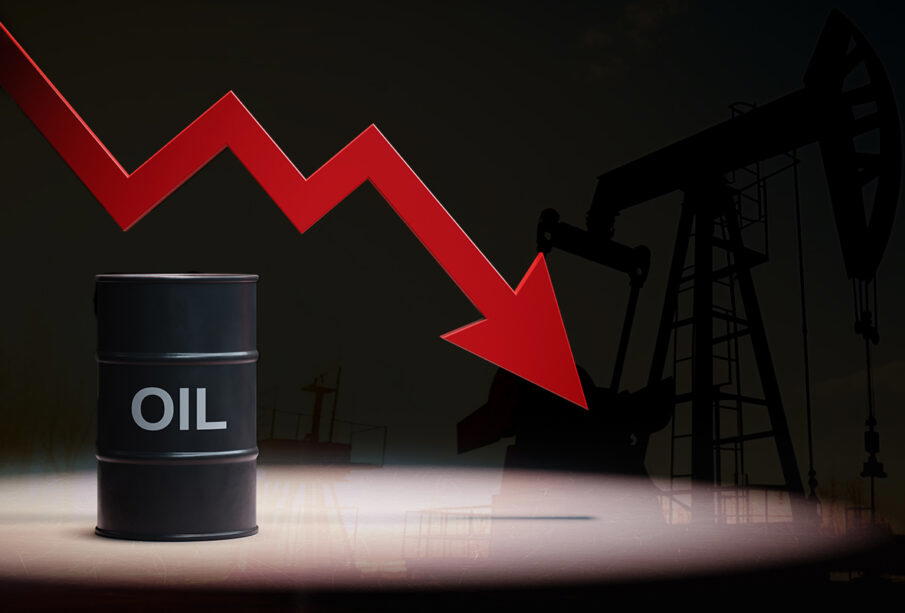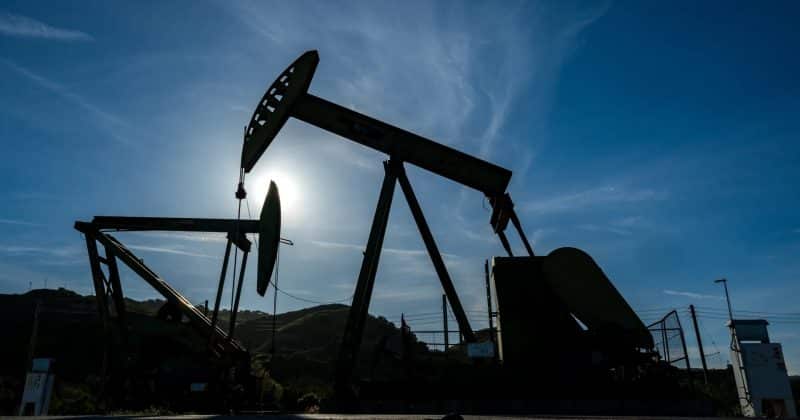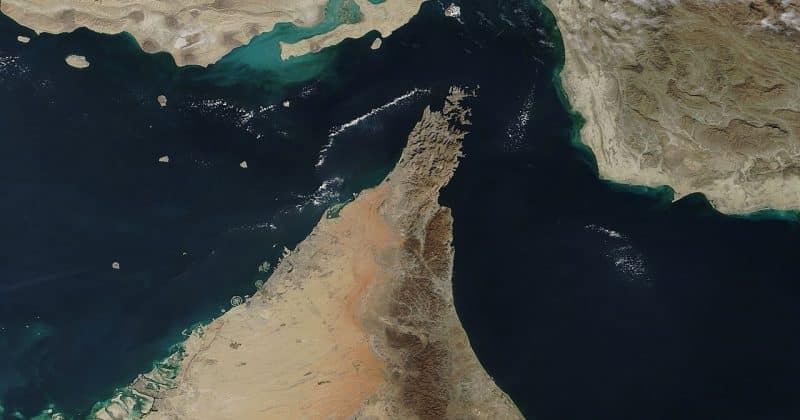
Brent crude dropped below $80 a barrel for the first time in over three months after the United States and Iran struck a memorandum of understanding to reopen the Strait of Hormuz. The waterway handles roughly 20% of the world’s oil supply, and its reopening would represent one of the most consequential geopolitical shifts in global energy markets this year.
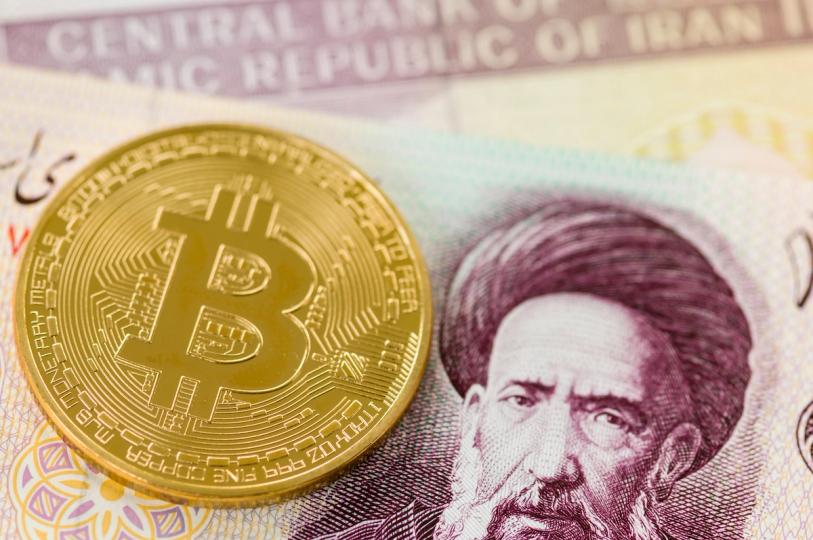
The deal, reached on June 14-15, sent shockwaves through commodities desks and trading floors alike. It also gave crypto markets a surprising jolt of optimism, with Bitcoin climbing to approximately $65,800, a two-week high, as traders recalibrated their inflation expectations.
What the deal actually means for oil markets
Brent crude settled at roughly $83.17 on June 15, already marking a three-month low before sliding further toward $80. WTI crude fell to around $80.75 on the same day.
Goldman Sachs wasted no time slashing its Q4 2026 Brent forecast from $90 per barrel down to $80. That $10 haircut from one of Wall Street’s most-watched commodity desks signals that institutional money sees this deal as durable, not just a headline.