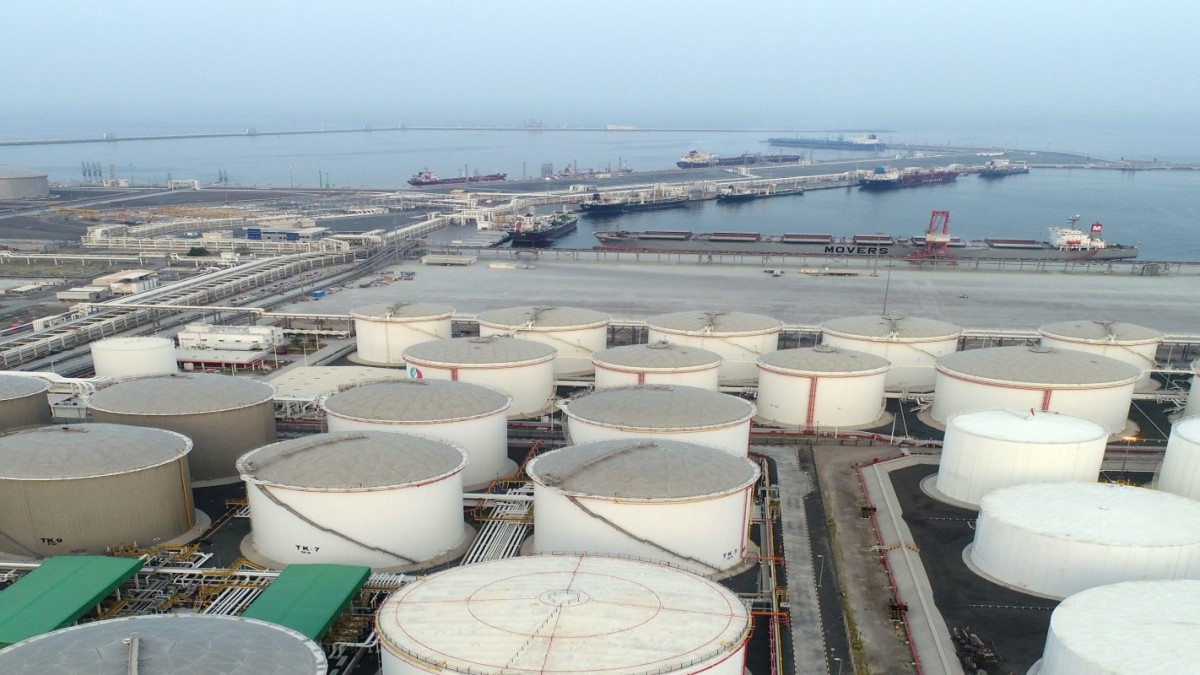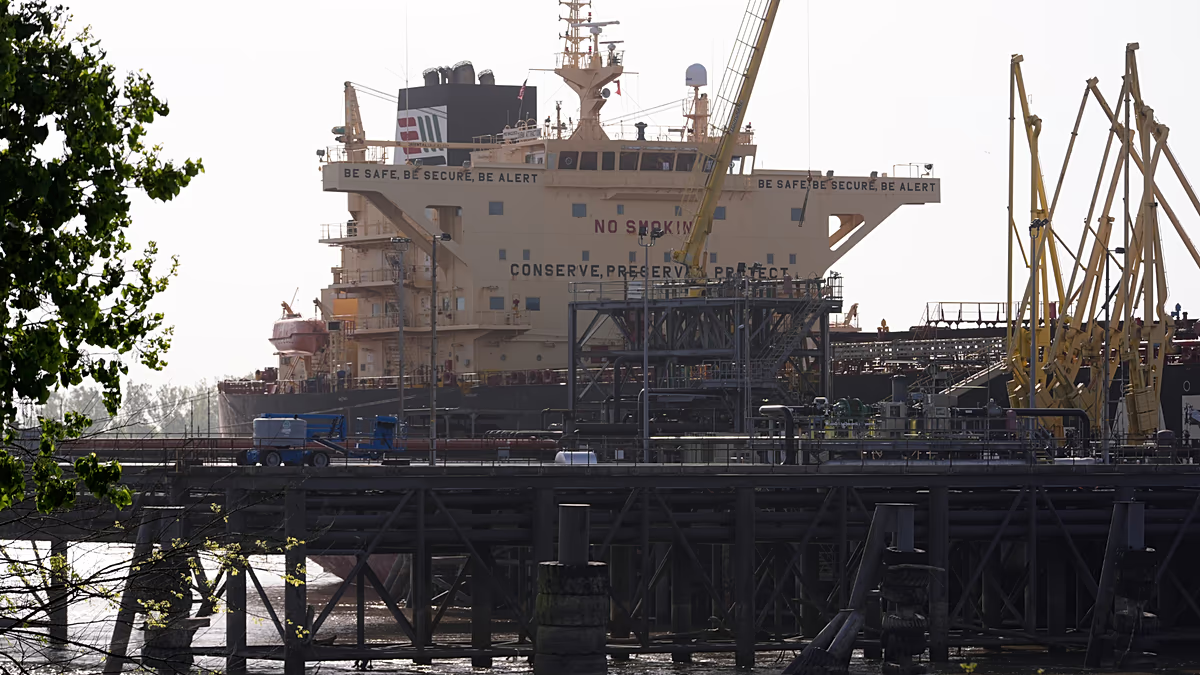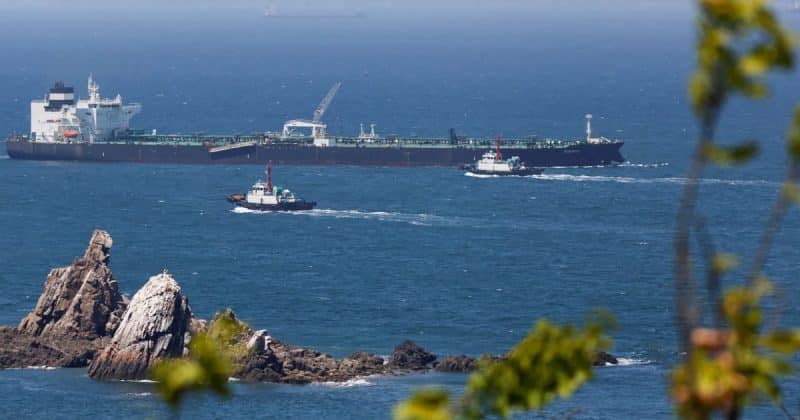
Brent crude has tumbled below $72.48 per barrel, completing one of the most dramatic round trips in oil market history. Just three months ago, the same benchmark was trading above $126 after Iran shut down the Strait of Hormuz. Now, a US-Iran interim agreement has reopened the waterway, and the wartime premium that sent energy traders into a frenzy is evaporating faster than a puddle in Riyadh.
The decline represents a staggering collapse from crisis highs, one that’s reshaping risk sentiment across asset classes. Bitcoin, for its part, climbed roughly 2% to around $65,844 on the news, riding the same wave of relief that’s pulling crude prices down.
From $126 to $72: the anatomy of a collapse
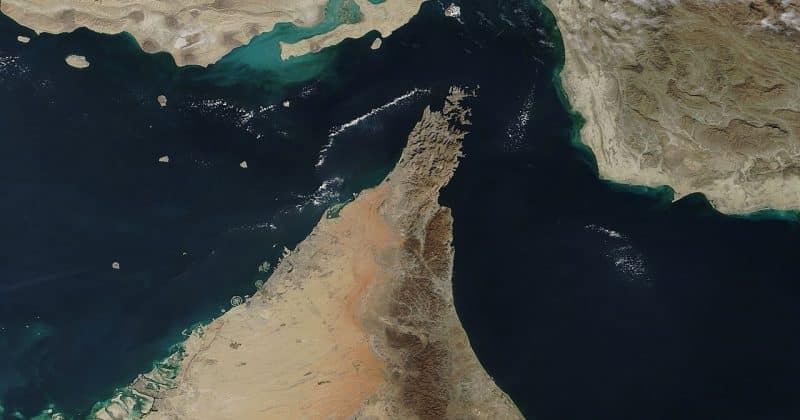
Here’s the timeline. Iran closed the Strait of Hormuz on February 28 amid escalating US-Iran conflict. Brent crude blew past $100 on March 8 and eventually peaked at $126, marking the largest disruption to global oil flows since the 1970s.
The strait handles roughly 20% of global oil trade. Then came the deal. Around June 14-15, the US and Iran announced an interim agreement authorizing the strait’s reopening. Brent dropped over 4% almost immediately, falling toward $83. The selling didn’t stop there, pushing prices below $80 and eventually under the $72.48 level that now has traders recalibrating their entire second-half outlook.