Brent crude briefly traded below $72.48 per barrel in late June, a price point the world hasn’t seen since February 27, the day before US and Israeli military operations against Iran began. Four months of war premium, wiped out in a matter of weeks.
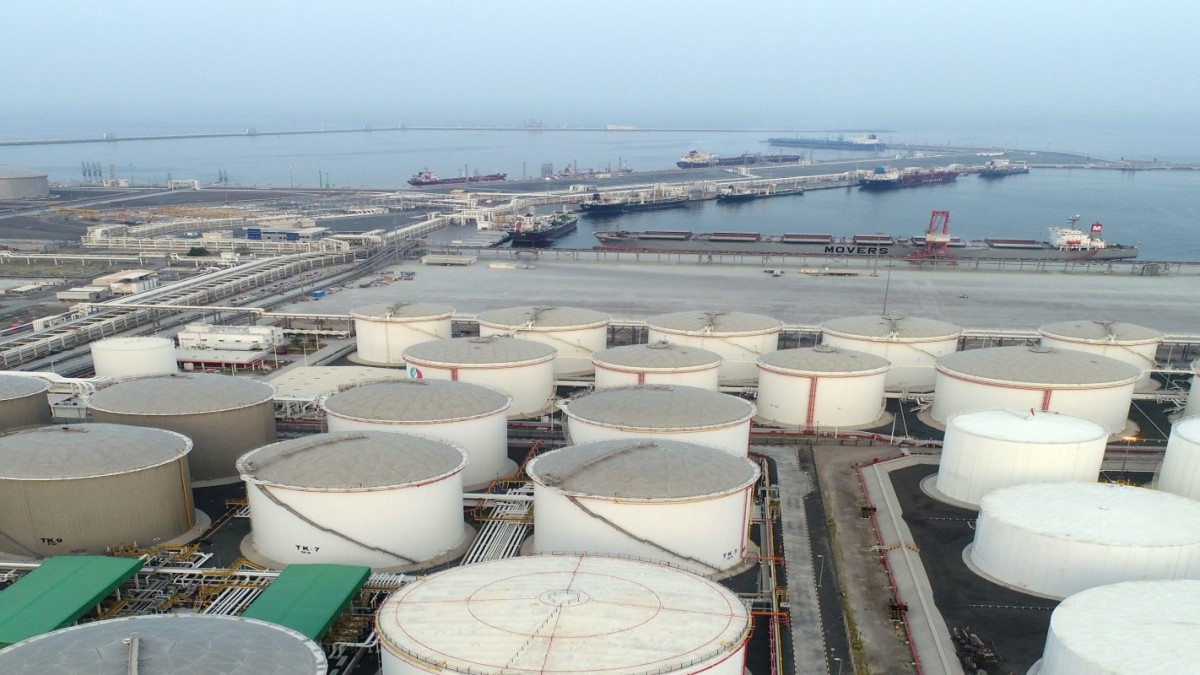
The decline, which amounts to a drop of over 20% from the conflict’s peak pricing, wasn’t driven by a flood of new barrels hitting the market. Instead, the combination of the Strait of Hormuz reopening to tanker traffic and softening global demand did most of the heavy lifting.
How the strait changed everything, twice
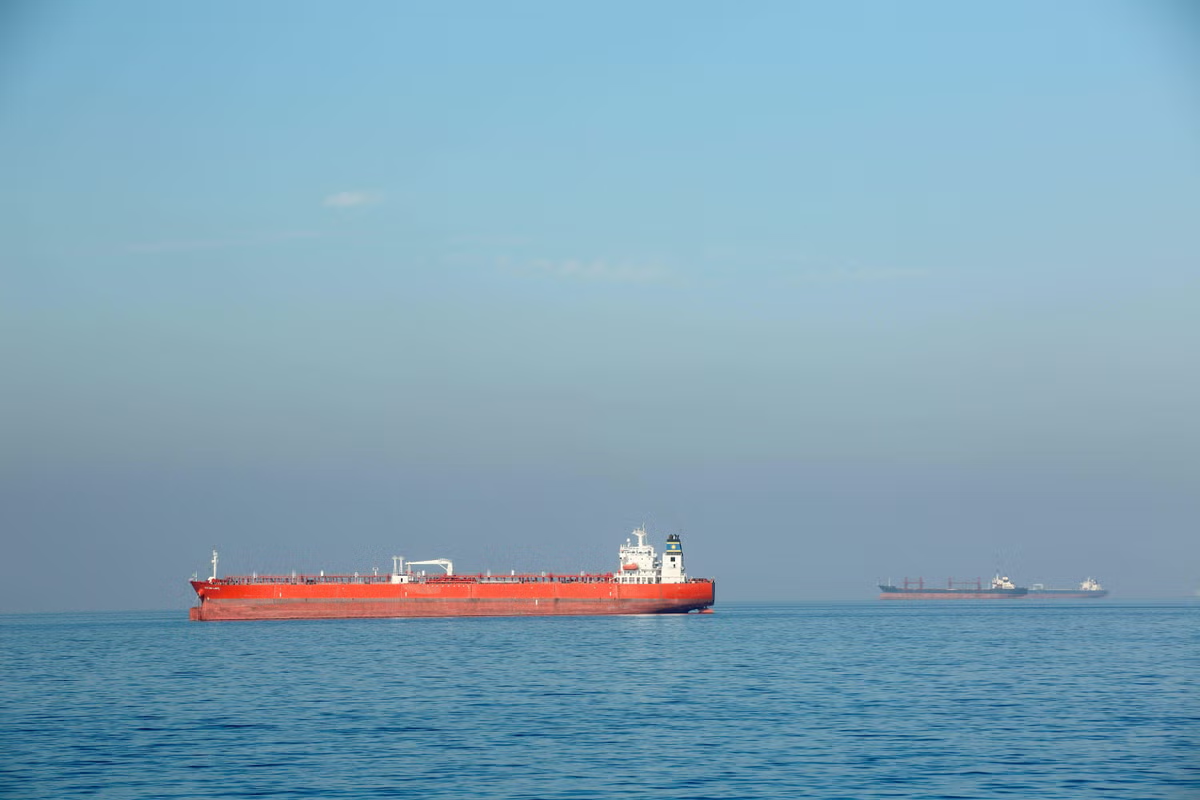
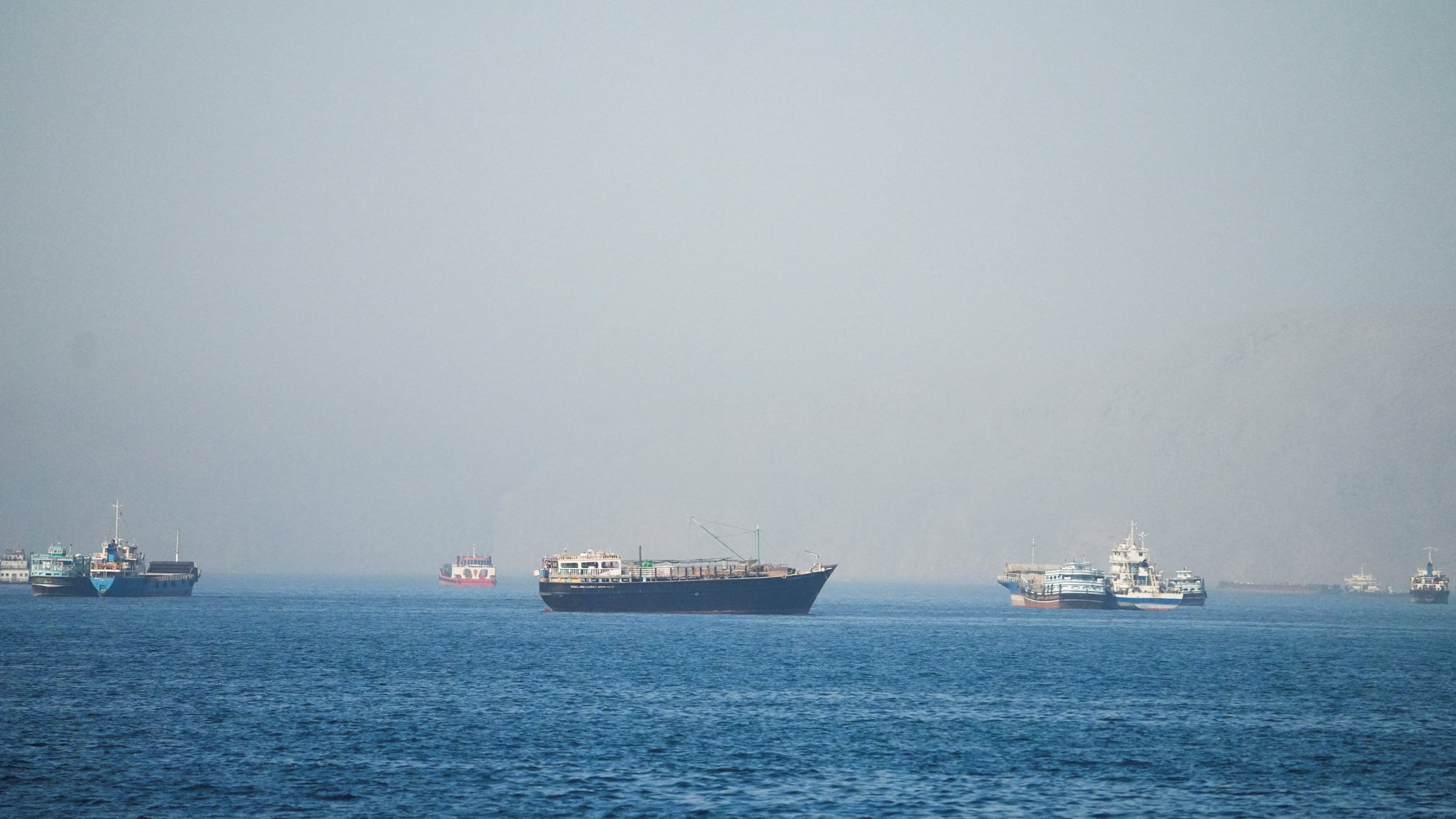
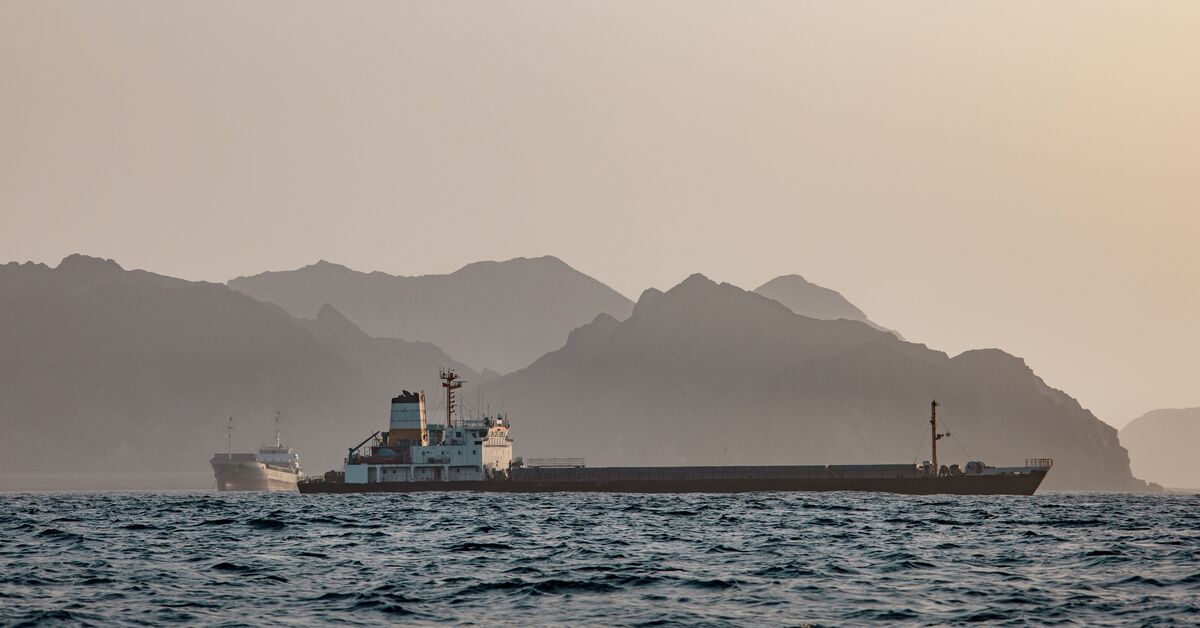
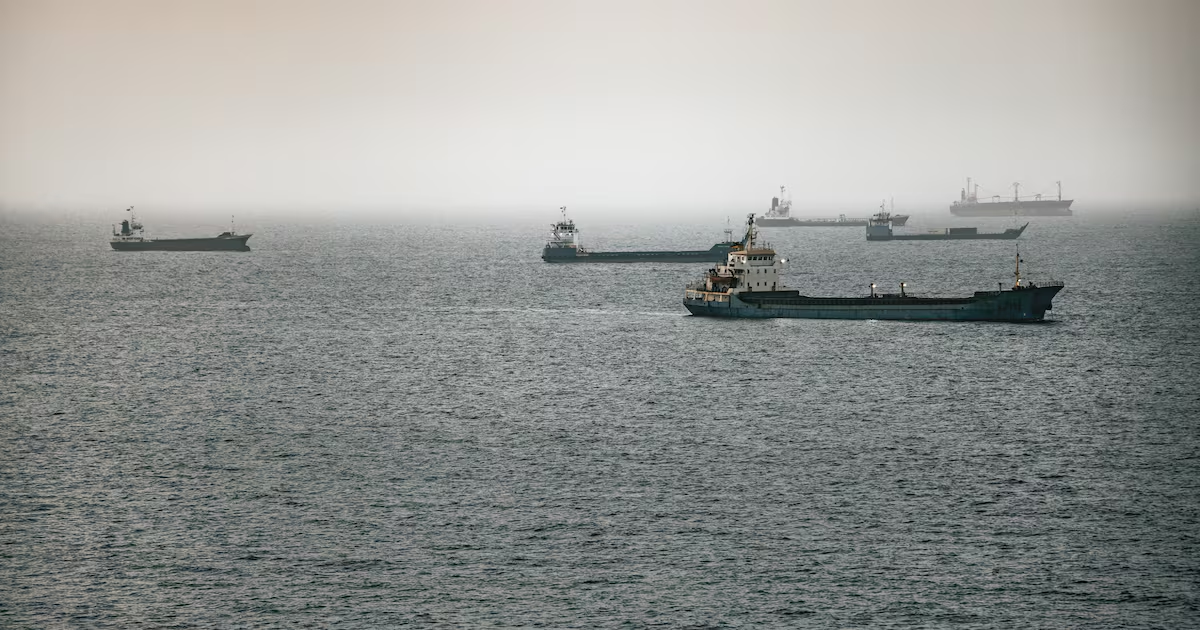
The Strait of Hormuz is one of those geographic chokepoints that sounds academic until it gets disrupted. Roughly 20% of global oil supply passes through the narrow waterway between Iran and the Arabian Peninsula. When it was effectively closed earlier in March 2026, the result was predictable: prices spiked as traders priced in the possibility that a fifth of the world’s crude could stay bottlenecked for months.
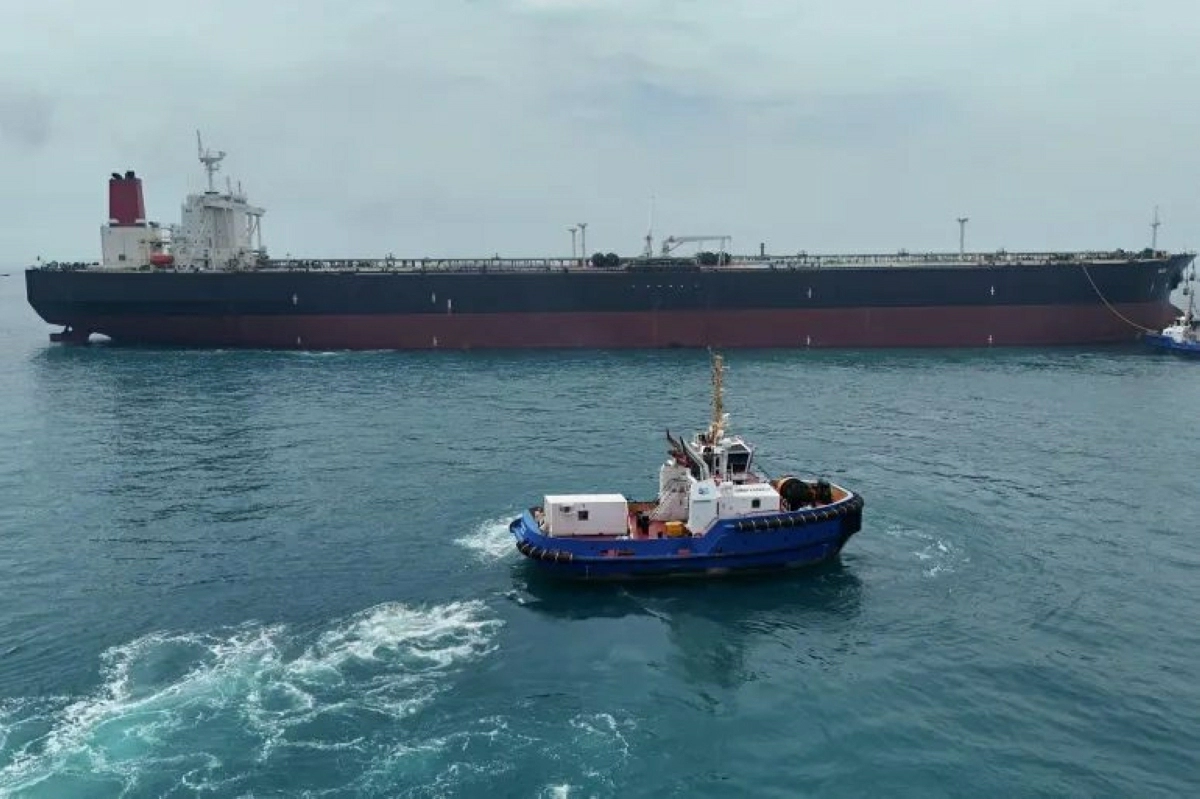
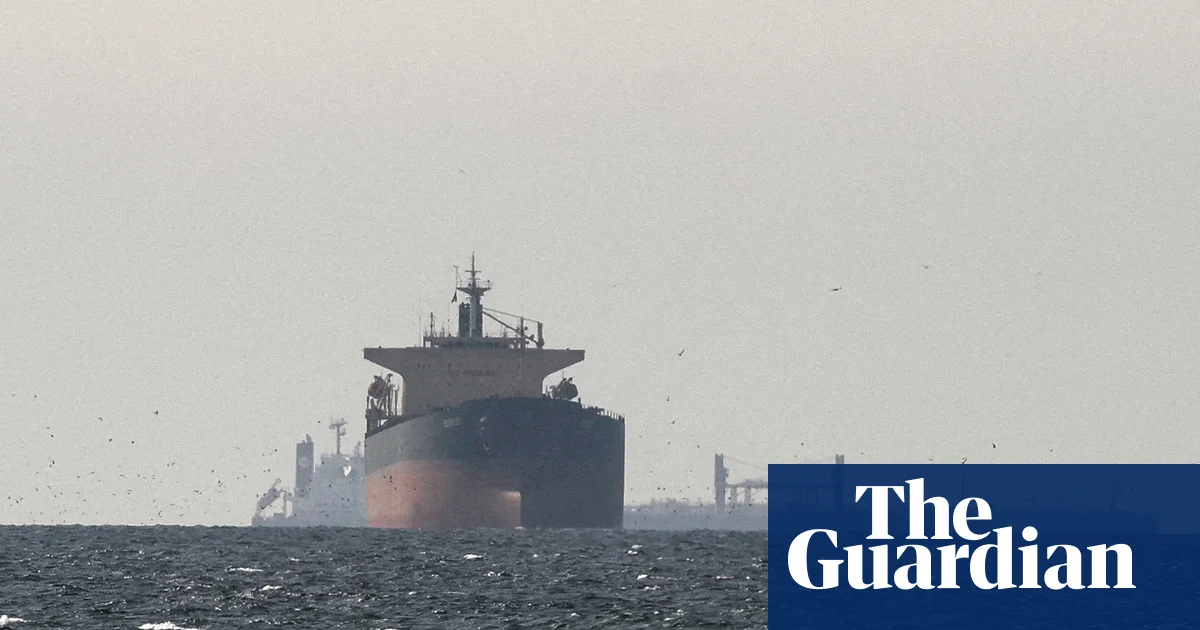
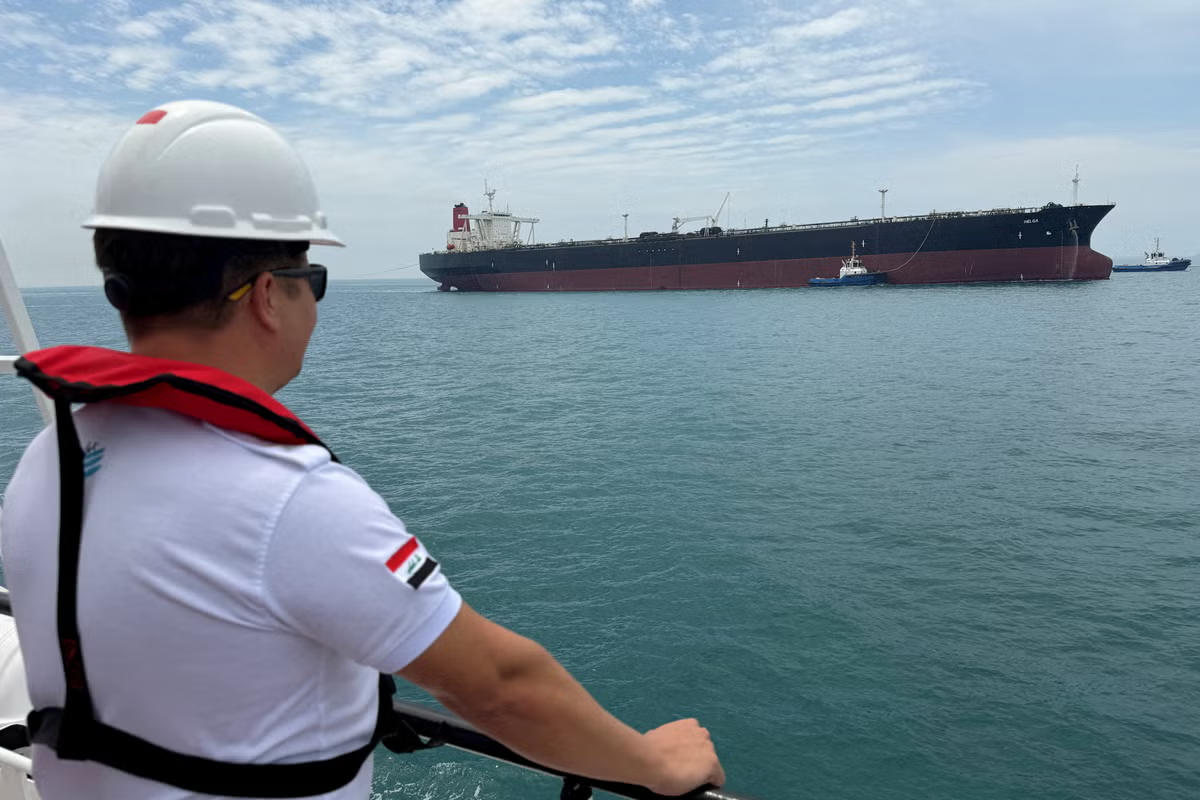
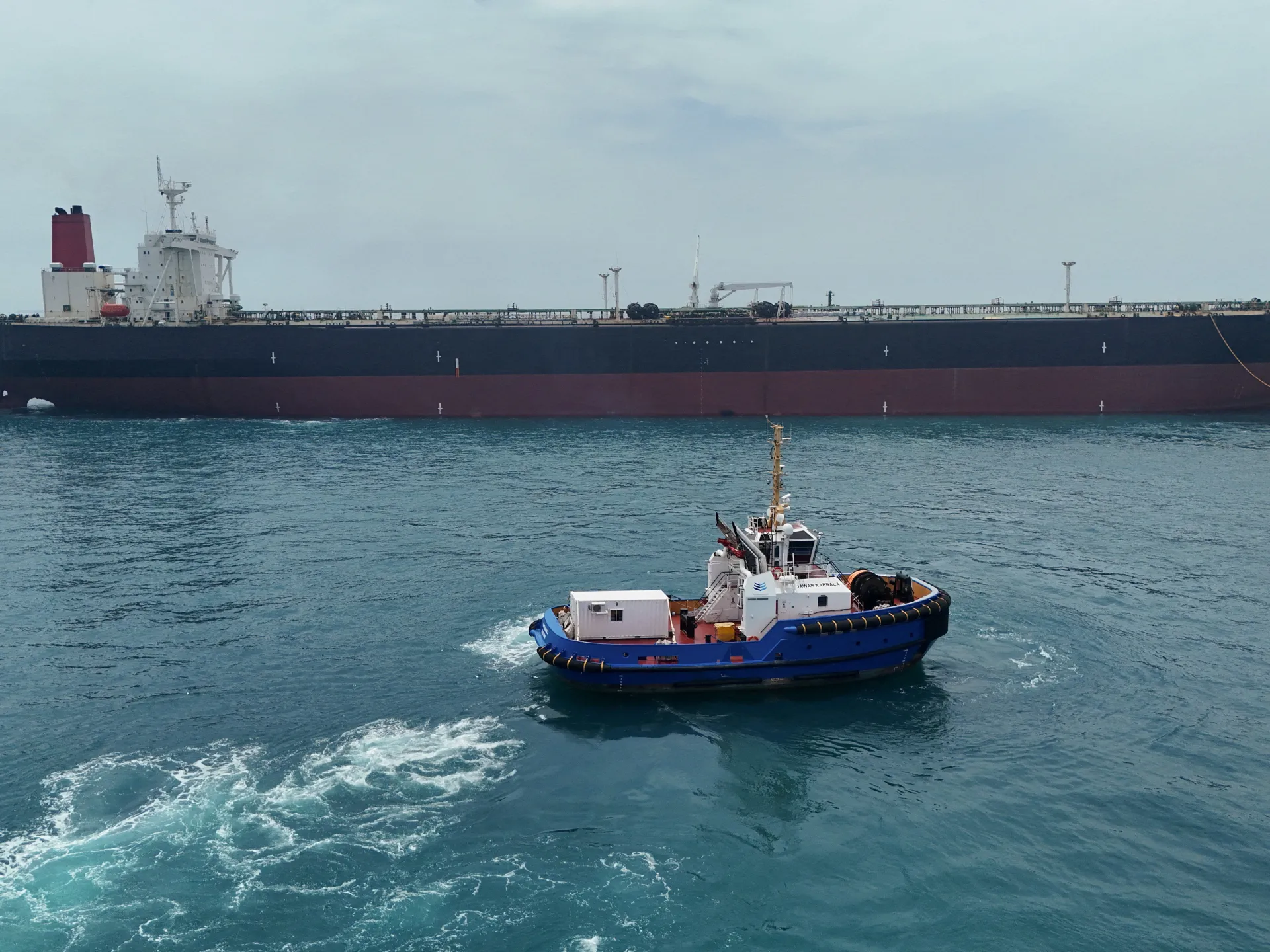
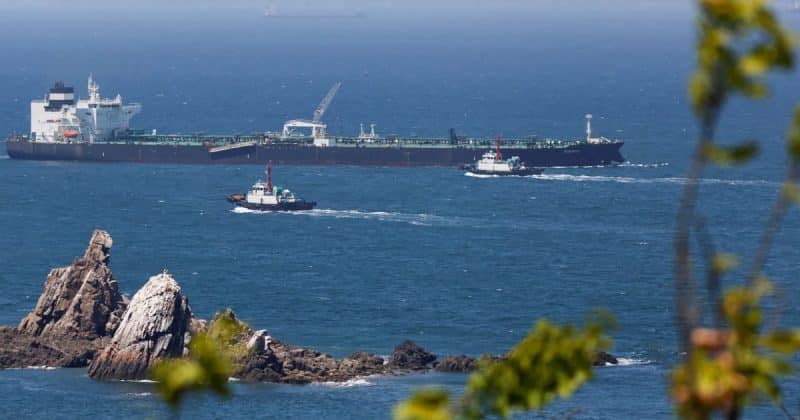
That fear trade is now unwinding. US-brokered deals facilitated the reopening of the strait, and tanker traffic has resumed. The same chokepoint that sent prices surging is now the primary reason they’re falling back to earth.