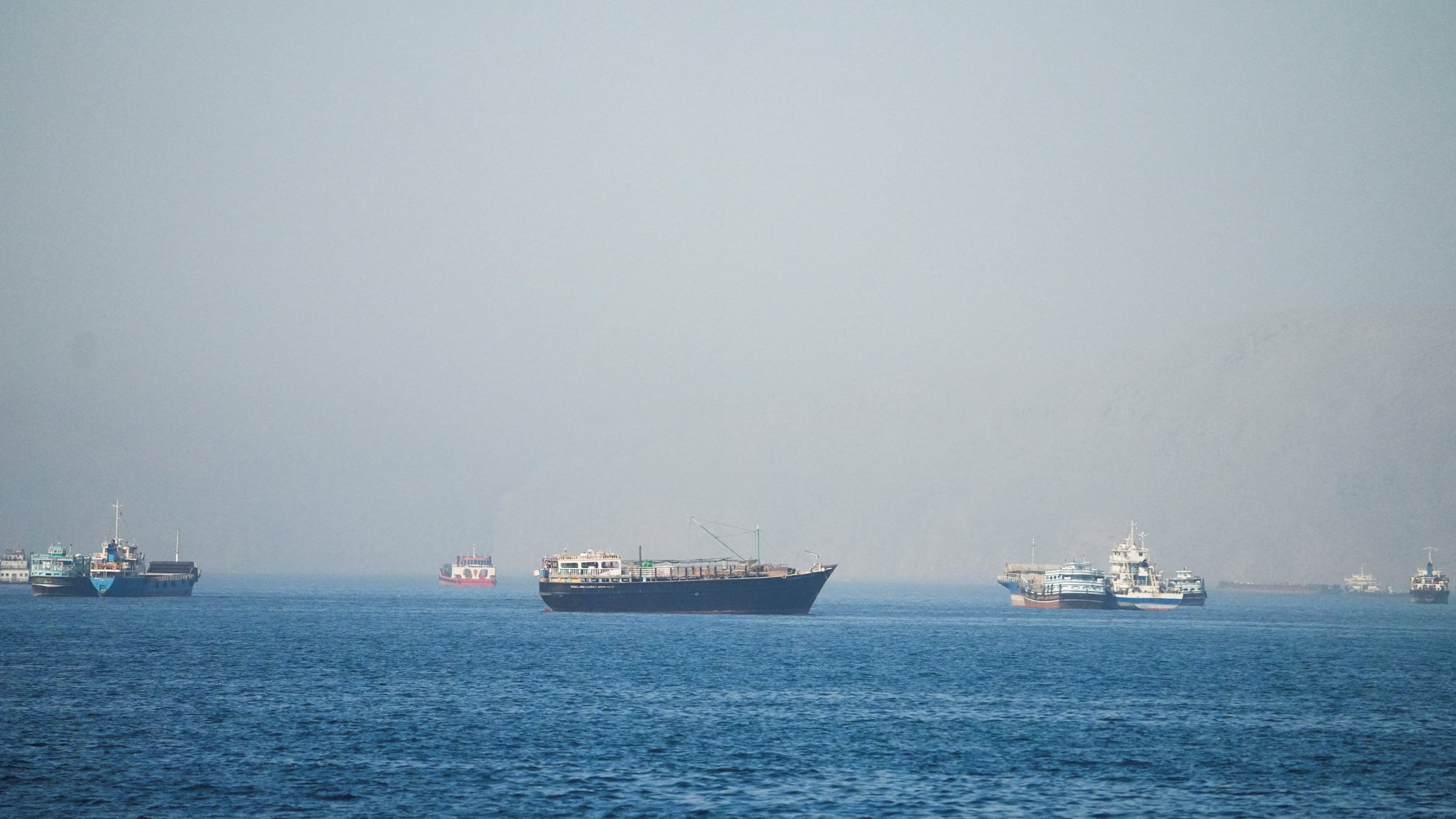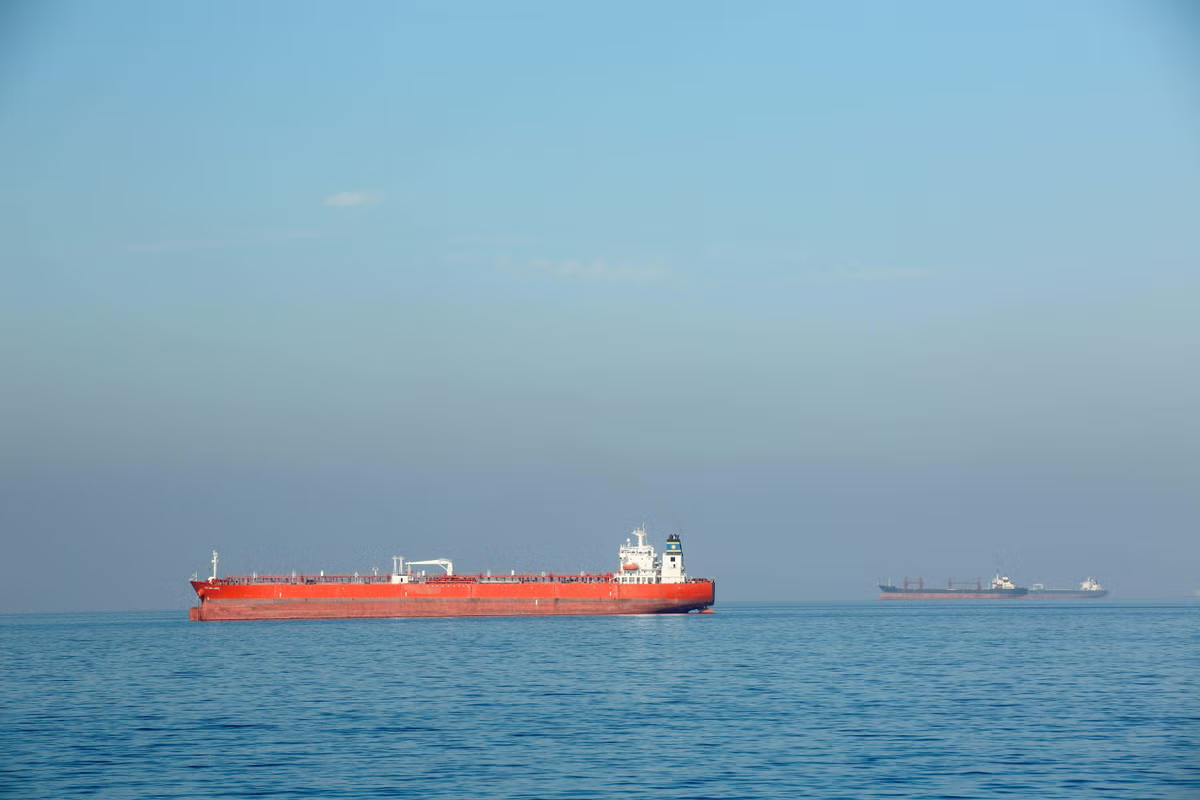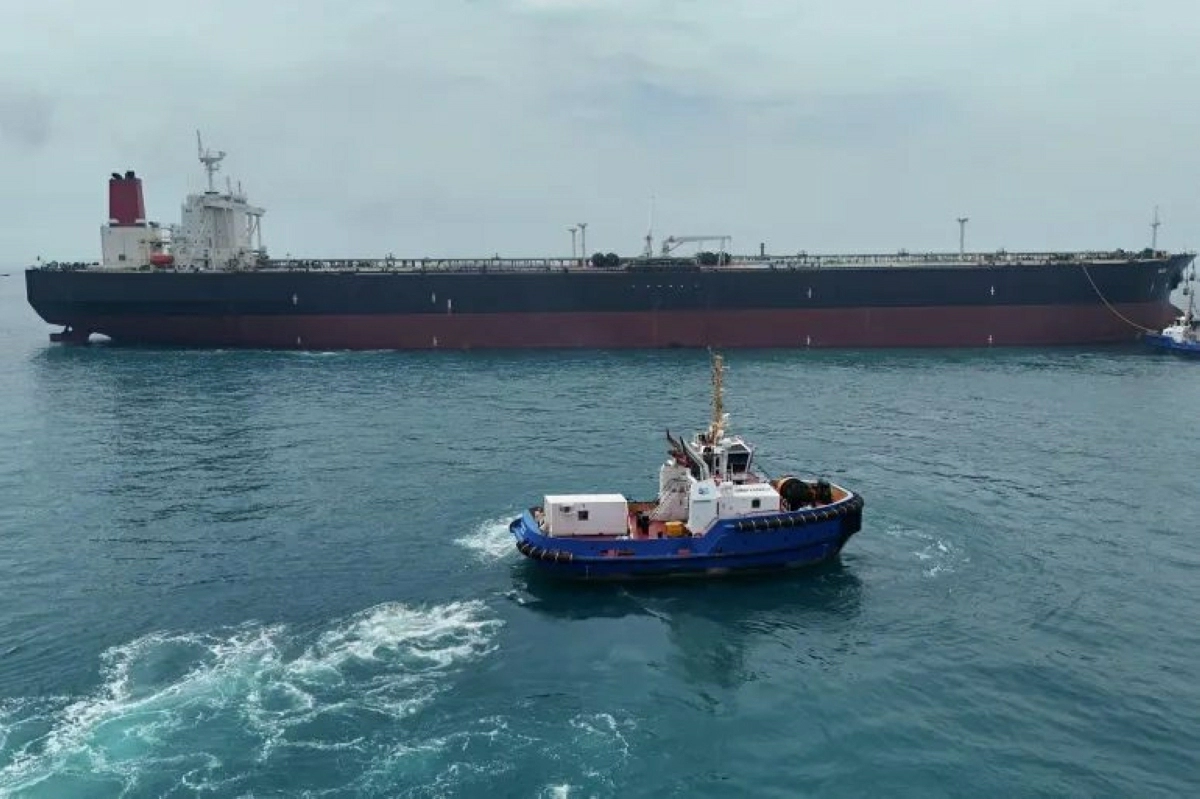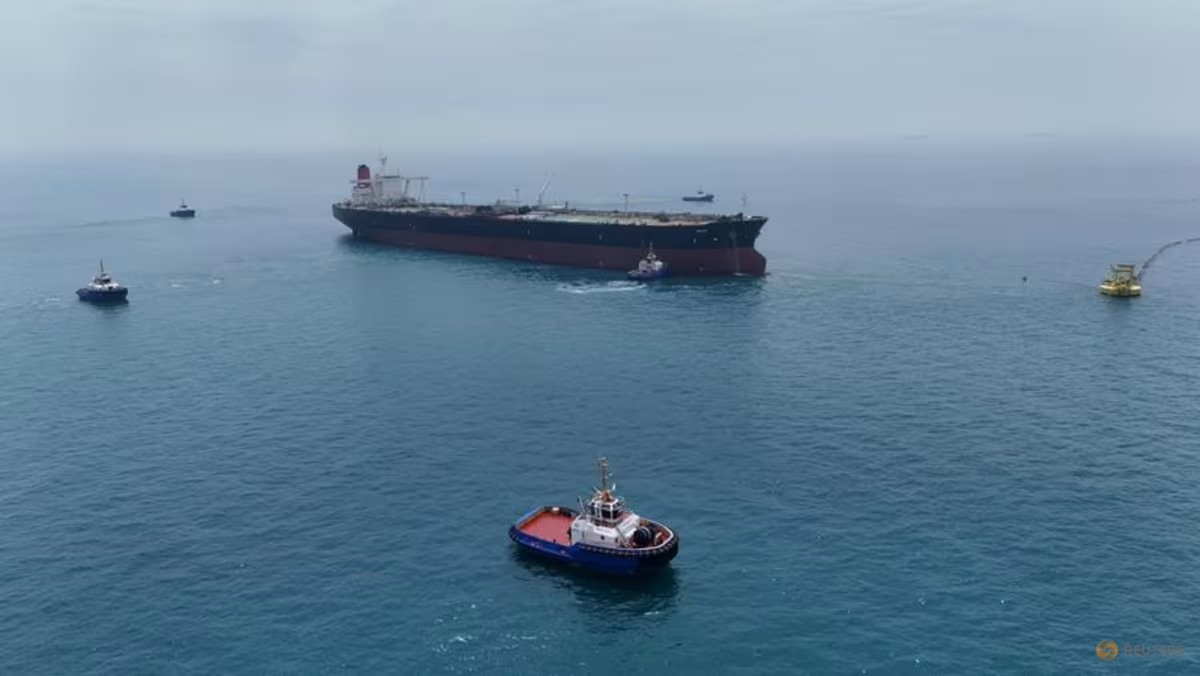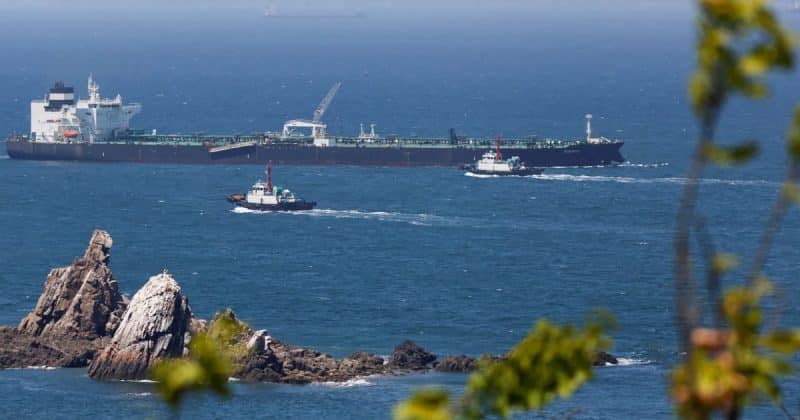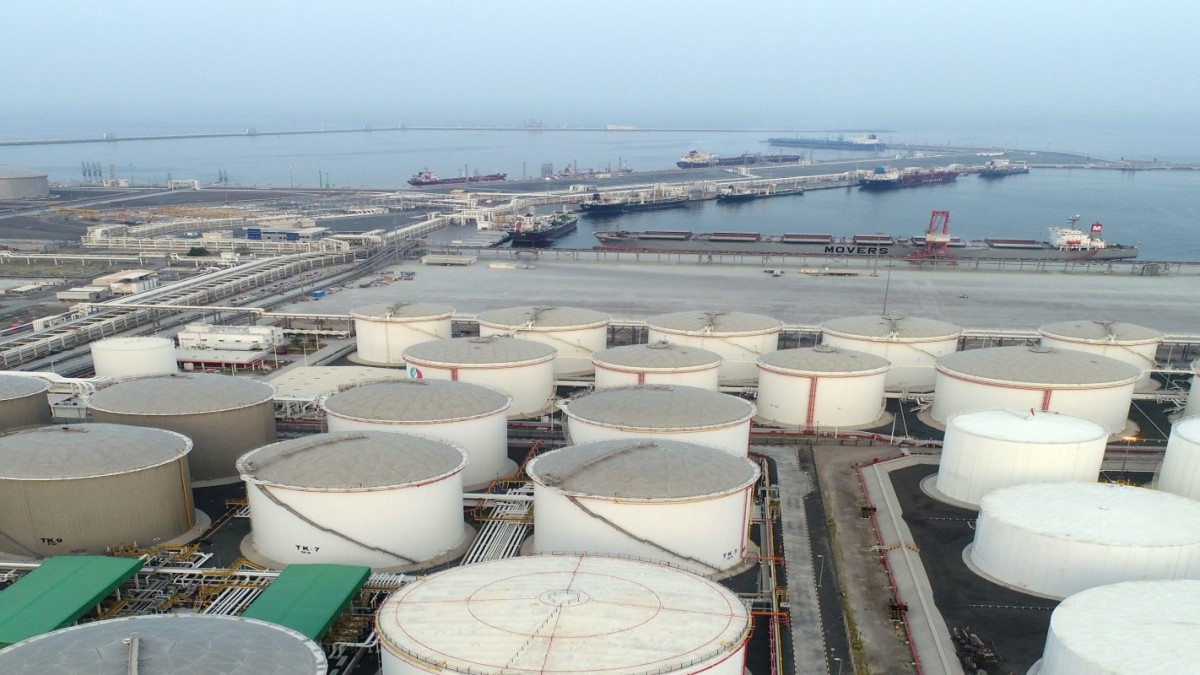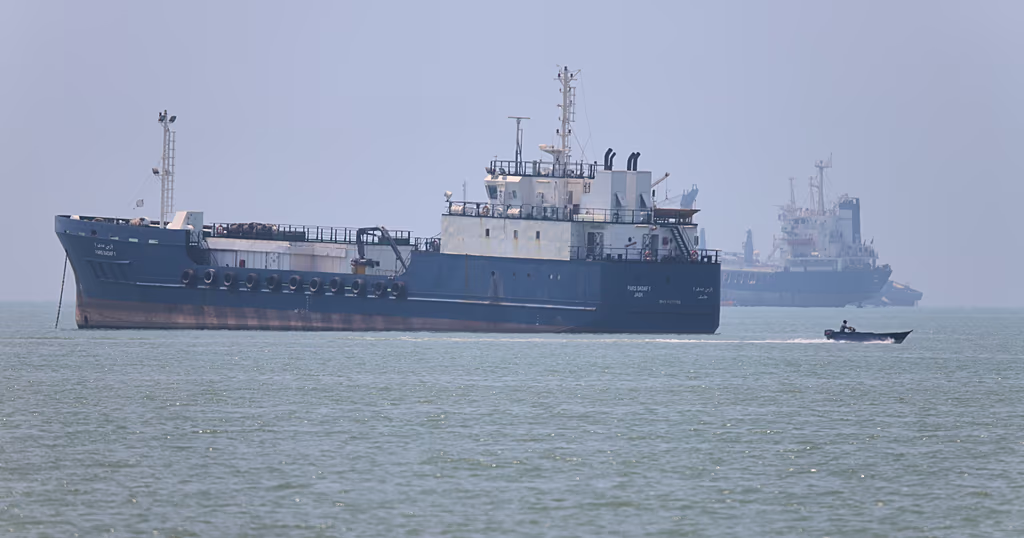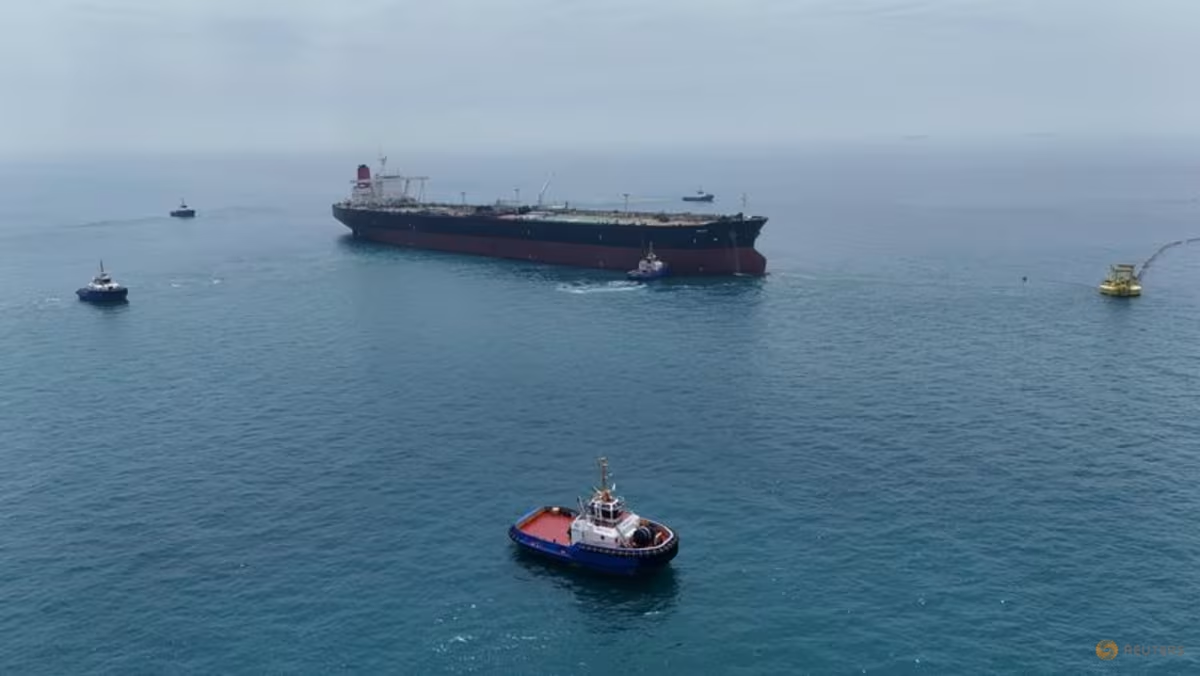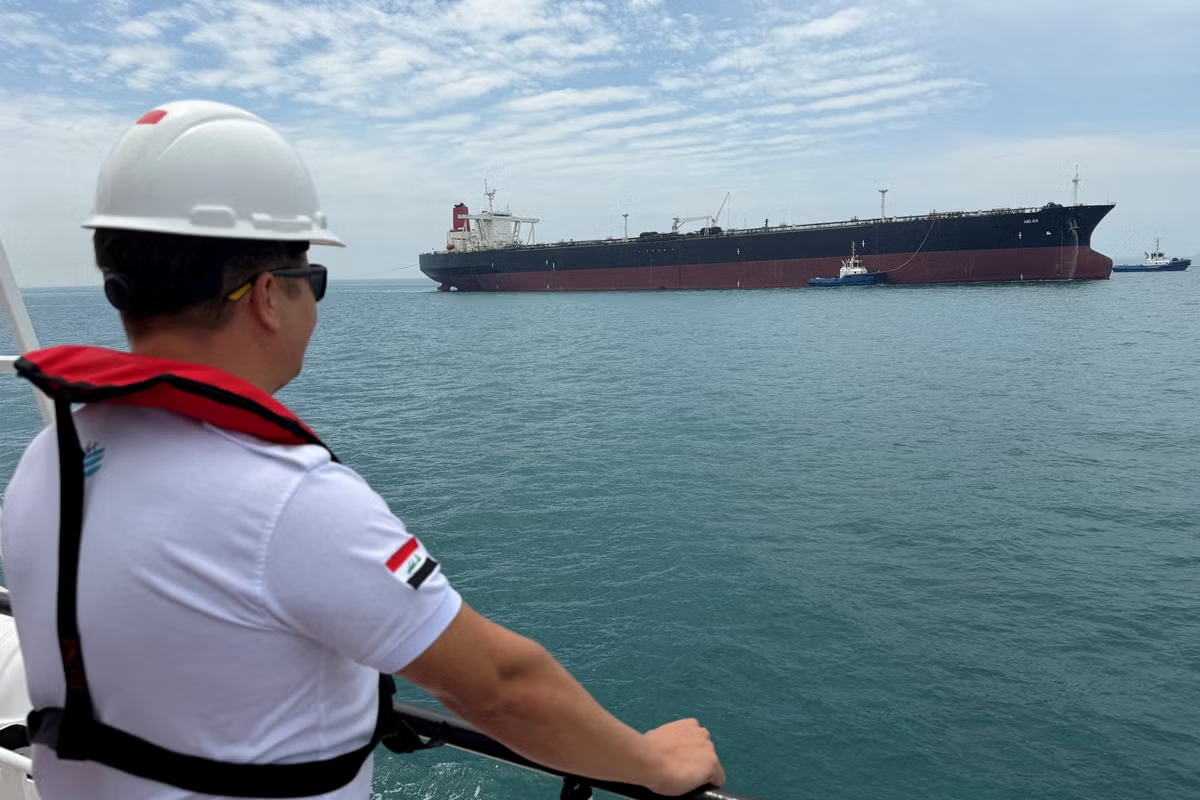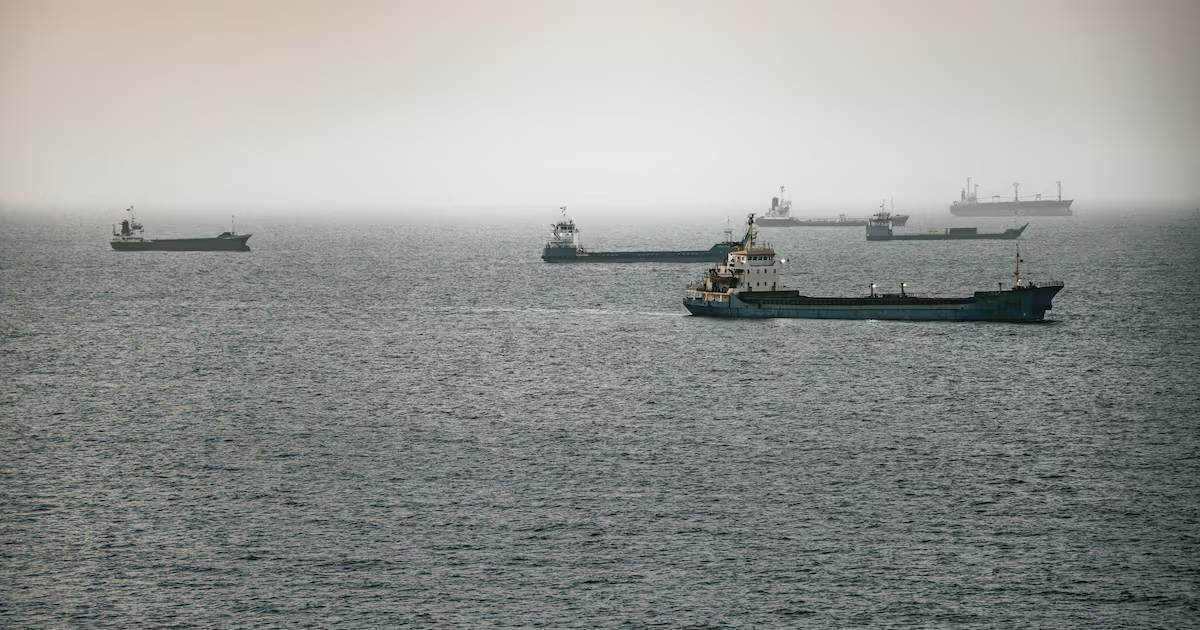
The price of Brent crude fell to below its level before the Iran war began as a wave of pent-up oil started to flow from the Gulf, leading traders to shrug off the risk of any aftershocks from the crisis.The international benchmark dipped 1.8 per cent to $72.40 a barrel on Thursday. Traders were willing to pay more for oil to be delivered later in the year — a strong sign that the market is oversupplied in the short term. US West Texas Intermediate fell over 1 per cent to $69.36 a barrel.It was the first time since the start of the war that oil had traded lower than $72.48, its closing price on the day before the US and Israel began bombing Iran in late February.“Traders are pricing in a return to normality,” said Francis Osborne, head of oil analysis at Argus Media, which assesses benchmark crude prices. “They are not taking into account the risks further down the road, which still remain very real.”But he admitted prices were falling so sharply that he “certainly would not go long at this stage, against this tide of selling”.On Wednesday, 31 tankers left the Gulf, a near 50 per cent increase from the day before, according to ship-tracking data from Windward. The Iranian Revolutionary Guards’ navy said on Thursday that co-ordination with the force was “mandatory” for vessels transiting the Strait of Hormuz and warned ships against using any unauthorised routes.The conflict in the Middle East trapped more than a billion barrels of oil inside the Gulf, with producers halting production as exports were halted through the Strait of Hormuz. The situation forced countries to drain their reserves instead.Prices have fallen steadily after hitting a peak of $126 a barrel in March as traders correctly bet the US would not be able to prolong a war that threatened such heavy economic damage.“We have burned through so much inventory and we are at extremely precarious levels,” said Amrita Sen, the founder of consultancy Energy Aspects. “But the market has completely traded through that. They have just said: ‘Yes we are low, but clearly this cannot last’.”However, Sen said some oil trading houses were starting to wind back their short positions and she believed the new floor for crude prices was between $80 and $90 a barrel. She predicted prices would start to rise in about a month, after the crude trapped on tankers inside the Gulf was moved.Paul Horsnell, an independent analyst and chairman of the board of the Oxford Institute for Energy Studies, said the market was responding to the Trump administration’s assertions that a huge volume of oil was now flowing, especially after the US removed all sanctions on Iranian oil for 60 days.On Wednesday, US energy secretary Chris Wright said 20 million barrels of crude had exited the strait in the past 24 hours — just under a fifth of global daily consumption — on board 72 ships.Horsnell argued the short-term surge in oil from the Gulf was unsustainable since production would take some time to catch up with demand as ships rerouted to the Gulf and oilfields were restarted. “Don’t let those cargos confuse you, because maybe they are creating an overhang on short-term physical markets, but it is a temporary effect.”Horsnell said he believed supply and demand would start to balance in October, if there were no setbacks to the peace process.“All we can say from this point on is definitely the monthly deficits are getting less. So we are moving towards the cliff face at a slower speed,” he added, referring to the point when oil reserves hit critical levels. “The market is massively oversold.” - Copyright The Financial Times Limited 2026
Oil price back at prewar levels as Gulf flows pick up
Oil retreats as ships begin passing through Strait of Hormuz
616 words~3 min read