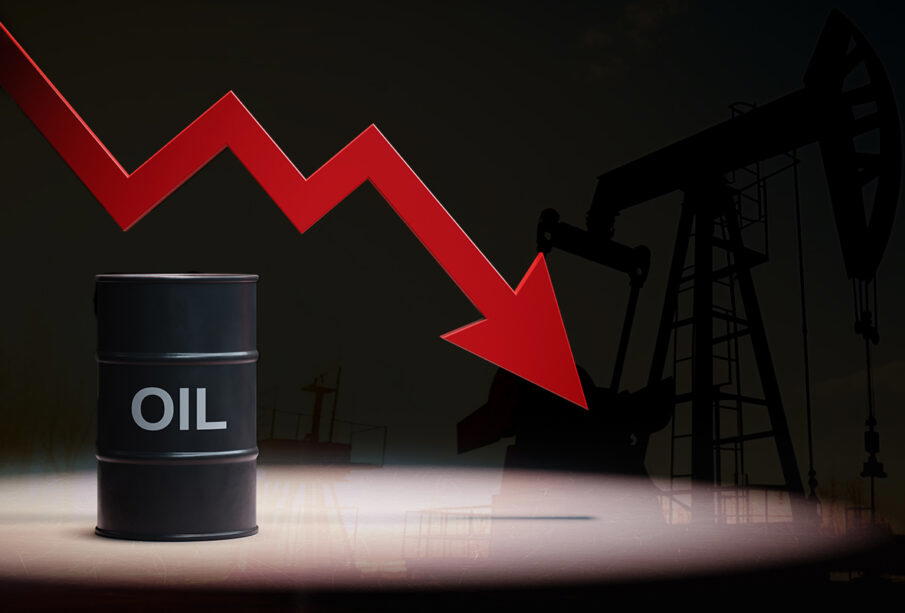
Brent crude has slid below $80 per barrel for the first time since early March, driven by growing confidence that a US-Iran ceasefire extension will reopen the Strait of Hormuz to normal shipping traffic. The benchmark has dropped more than 4% in recent days, marking one of the steepest monthly declines since 2020.
The deal driving the drop
The US and Iran have agreed to extend their ceasefire for 60 days, building on an initial pause that was brokered by Pakistan and first announced on April 8. A formal signing is expected around June 19 in Switzerland, with US President Donald Trump and Iranian Deputy Foreign Minister Kazem Gharibabadi among the key figures involved in negotiations.
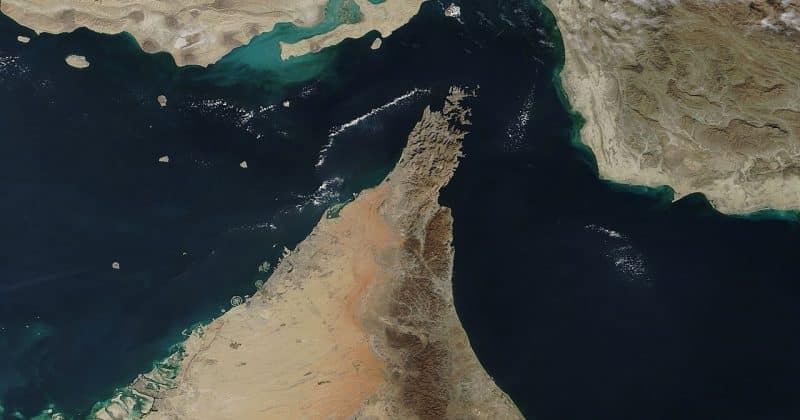
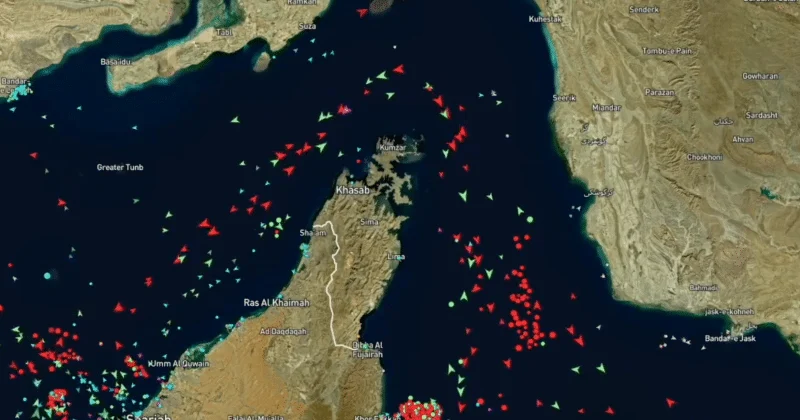
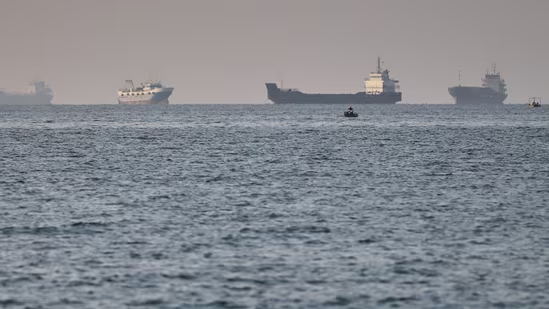
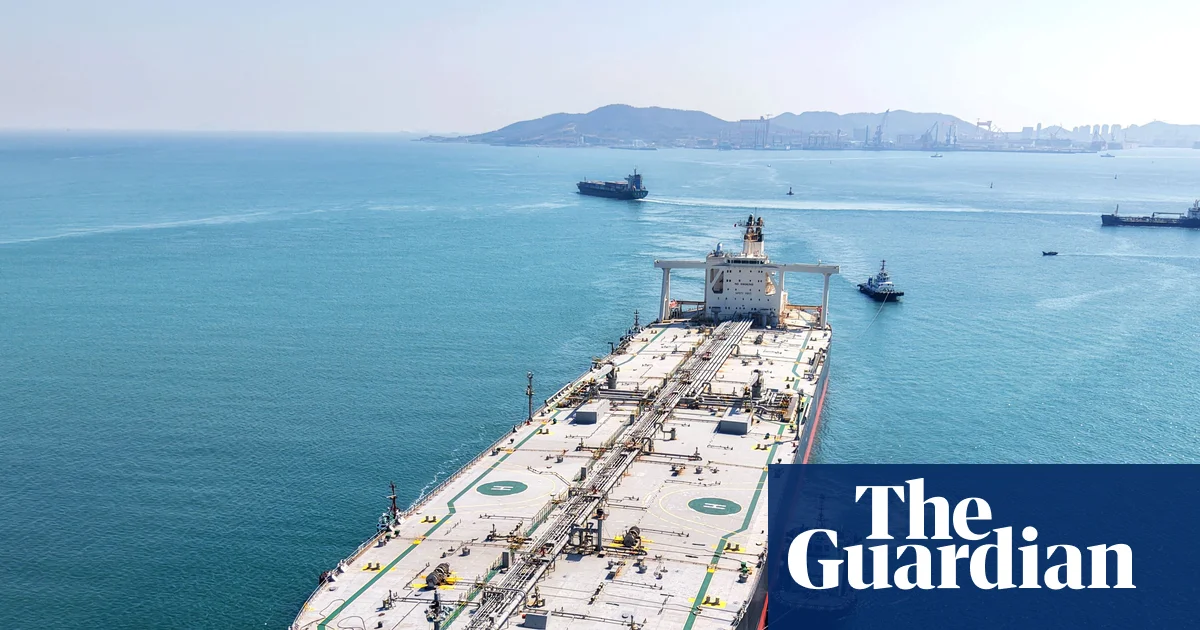
The Strait of Hormuz is the world’s most important oil chokepoint. Roughly a fifth of the global petroleum supply passes through the narrow waterway between Iran and Oman on any given day. The strait’s closure in recent months had already depleted global oil inventories and squeezed regional exports. With traders now pricing in a resumption of normal flows, the supply picture has shifted dramatically. US WTI crude has also tumbled below $80, reflecting a decrease of roughly $10 per barrel in the previous week as ceasefire progress accelerated.