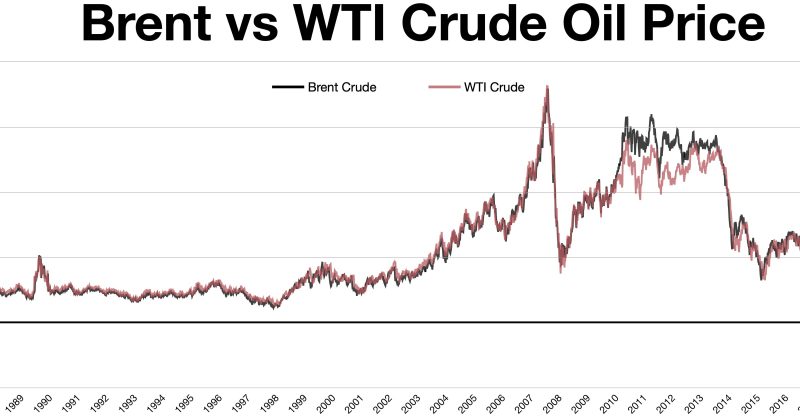
Oil just had its worst day in months. Brent crude fell over 5% to roughly $82.84 per barrel, while West Texas Intermediate slid below $80.40, marking the lowest prices for both benchmarks since early March.
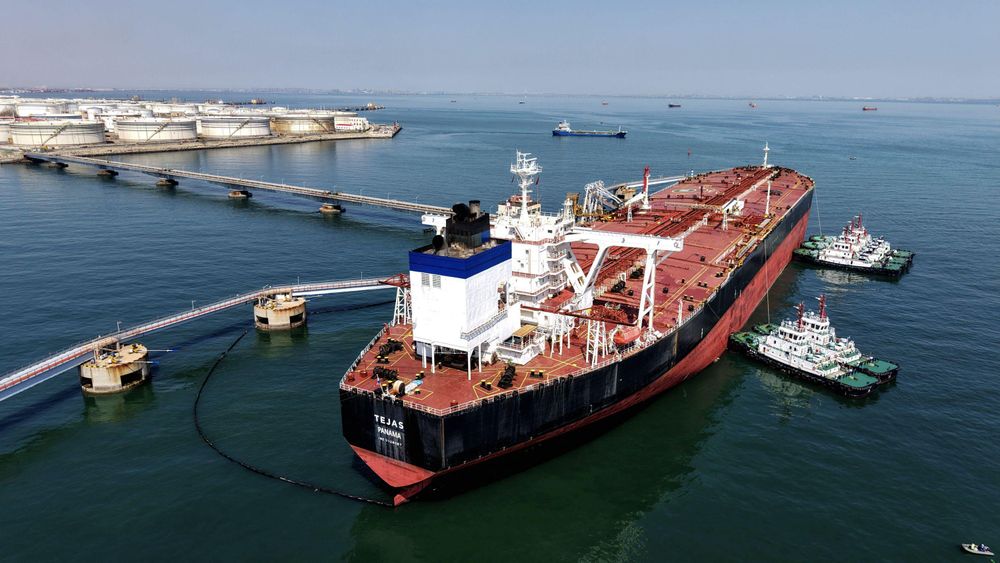
The catalyst: a preliminary framework agreement between the United States and Iran that extends a ceasefire and, critically, outlines plans to reopen tanker traffic through the Strait of Hormuz. That narrow waterway handles about 20% of global oil supply, so even the prospect of it reopening sent traders scrambling to unwind their geopolitical risk bets.
How we got here
To understand why this drop matters, you need to rewind to early 2026. When the Iran conflict escalated in the first quarter, oil prices spiked from around $69 to $73 per barrel all the way above $100. That’s a 30% to 50% jump from pre-war levels, depending on the benchmark.
The framework deal announced around June 15 to 16 changed that calculus overnight. Markets don’t wait for ink to dry on treaties. The mere signal that diplomatic progress was real was enough to trigger a sell-off in crude futures.